









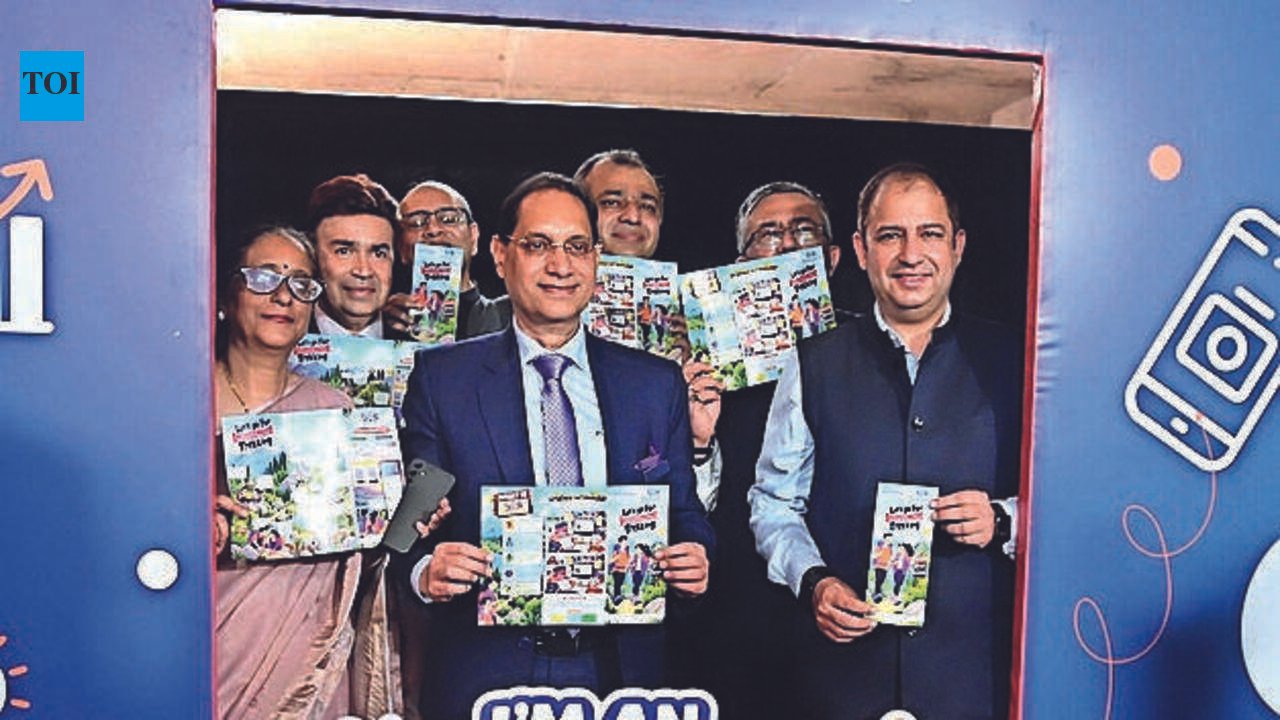
Chandigarh: Securities and Exchange Board of India (Sebi) chairman Tuhin Kanta Pandey on Monday launched Project Jaagruk during World Investor Week 2026 hosted by Panjab University. The initiative aims to take investor education to students, first-time investors, and people across rural and urban India through a multilingual, multi-agency, and multimedia campaign.Pandey said 63% of households were aware of at least one securities market product, but only 9.5% participated in the market, while only 36% of investors had moderate or high securities market knowledge. Participation stood at 15% in urban India compared with just 6% in rural areas.“These findings shaped Project Jaagruk — simplify, explain risk, build trust, speak in familiar languages, and reach people through the channels they actually use,” Pandey said.The campaign will be rolled out in English, Hindi, and 11 regional languages, including Punjabi. The first phase of the media campaign will continue through March 2027.Pandey said investor education should begin well before a person opens a demat account. Sebi will work with universities and colleges to mentor students, while collaboration with the ministry of panchayati raj will help take financial literacy to the grassroots. The National Securities Market Awareness Curriculum and a free Sebi Investor Awareness Test through NISM will also support the initiative.Sebi whole-time member Sandip Pradhan said investor education must begin well before a person opens a demat account, when financial habits and attitudes are being formed.He said young people would eventually become professionals, entrepreneurs, scientists, doctors, teachers, business leaders, and policymakers, and all would need to earn, save, and make financial decisions.Pradhan said the initiative brought Sebi, market infrastructure institutions, and other securities market participants together to promote a healthy investment culture and investor well-being.Association of Mutual Funds in India (AMFI) chairman Sundeep Sikka said investors today faced a problem opposite to that of earlier generations: there is too much information rather than too little.“Today, the real question is no longer where can I get information. It is what information can I trust,” he said, referring to the proliferation of social media, influencers, videos, and WhatsApp content.Sikka said investors should focus on three basic questions: where to go, what to trust, and how to invest. Technology could provide information quickly, but knowledge, experience, and learning were needed to make sound decisions.


