






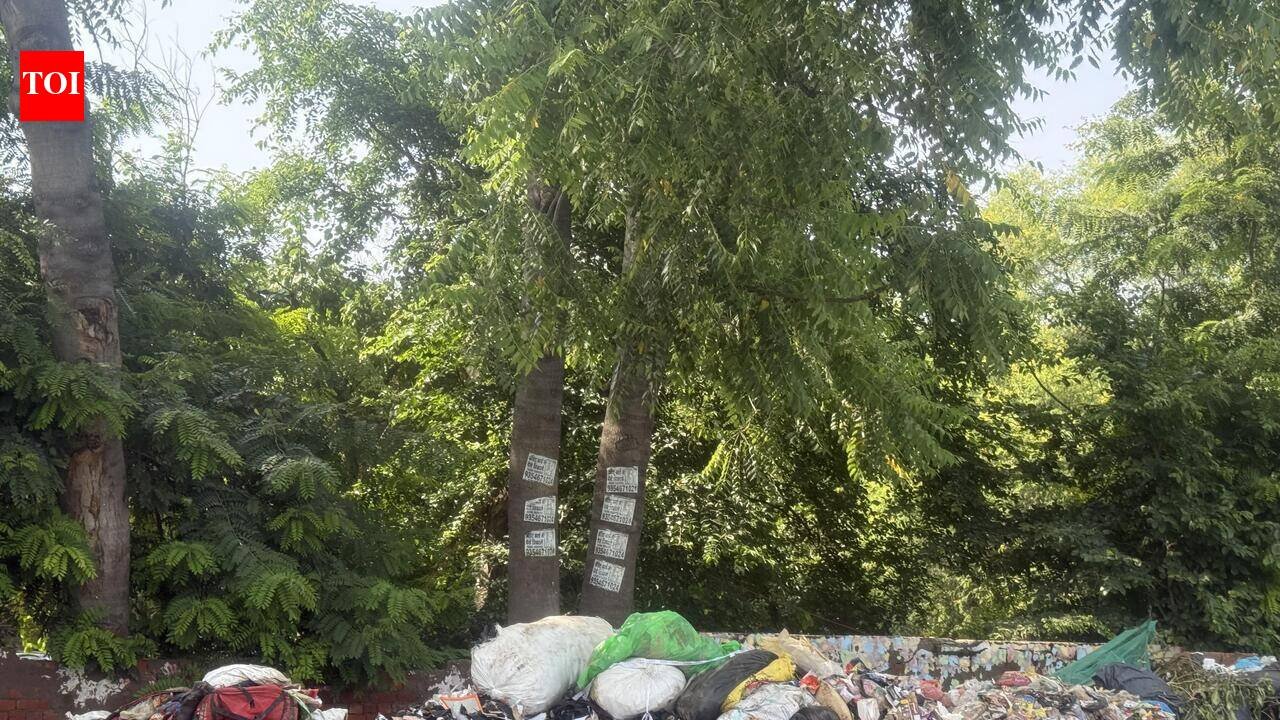
Chandigarh: Haryana’s sanitation crisis deepened on Wednesday as the strike by municipal sanitation workers entered its 34th day, with the govt intensifying disciplinary action but failing to break the deadlock. Undeterred by the govt dismissing nearly 72 of their colleagues in just two days, the protesting workers have extended their agitation and announced a fresh round of district-level protests.The strike, which began on Aug 6, has disrupted garbage collection across several cities and towns, mounting pressure on municipal to maintain sanitation services. The workers’ central demand remains regularisation of contractual employees.The state govt has claimed that most of their demands have been accepted and that contractual workers have enhanced job security under the Haryana Contractual Employees (Security of Service) Act, 2024.The govt’s action intensified on Tuesday with the dismissal of 30 more contractual sanitation workers and suspension of eight regular employees. With this, the number of dismissed contractual workers is now 62 , while 10 regular employees have been suspended.The dismissals came after the expiry of Haryana govt’s Sep 5 deadline for workers to resume duty or face disciplinary and legal action.The district-level protests are planned from Thursday to Saturday, followed by a state-level rally, ‘Jan Nyay Panchayat’, in Kurukshetra on Sep 13.The state govt, on the other hand, has claimed that a section of the workforce had started returning to duty. Local bodies minister Vipul Goel has claimed that 1,004 sweepers have resumed work. The latest reported departmental figure, however, put the number of workers who returned on Sept 7 at 387.The state govt has also announced a Rs 2,000 monthly risk allowance for ‘Palika Roll’ sanitation workers and raised the monthly payment for eligible workers with more than 10 years of service to Rs 25,560. The workers said the assurances are insufficient without written implementation of their charter of demands, particularly regularisation.


