



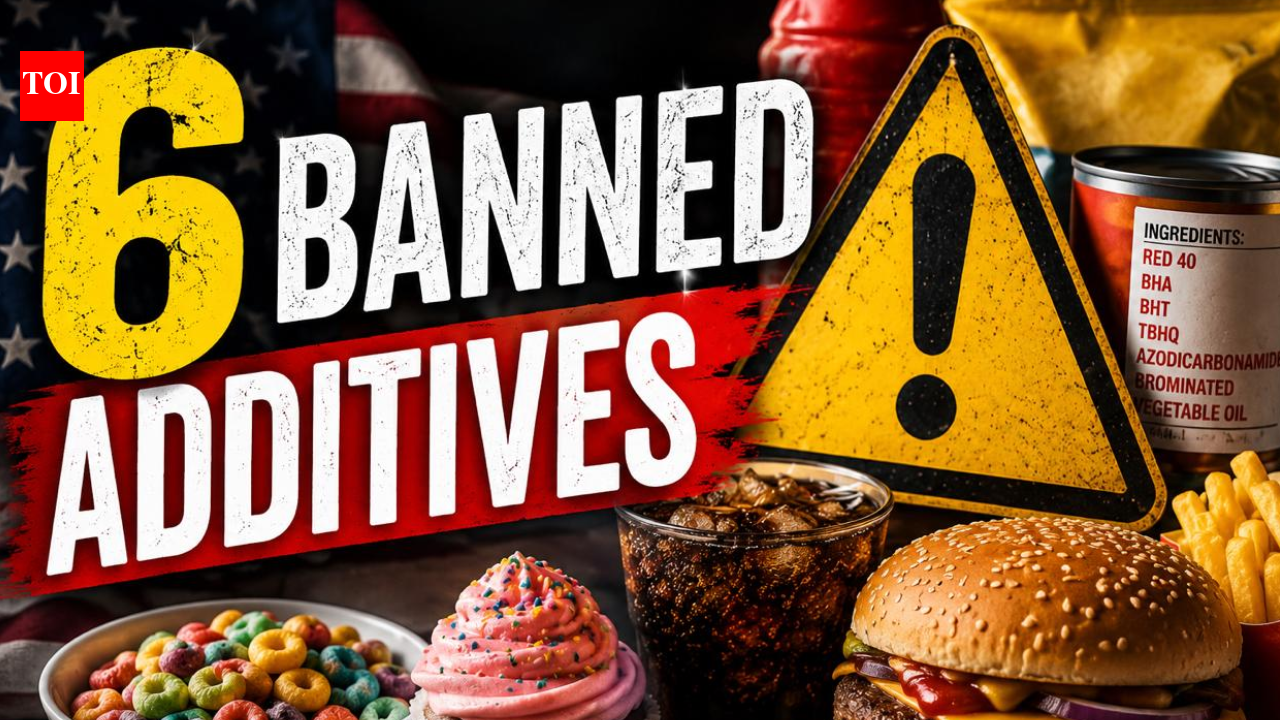
Walk down the aisles of an American supermarket and you’ll find thousands of foods that look identical to products sold elsewhere. But flip over the ingredient list, and you may notice something surprising. Some additives that remain legal in the United States have been banned or heavily restricted in countries such as those in the European Union, Canada, China, India, or Japan because of concerns over potential health risks. It’s important to note that “banned elsewhere” does not automatically mean an ingredient is unsafe at the levels used in food. Different countries follow different regulatory philosophies. The European Union often applies the precautionary principle, restricting additives when there is uncertainty about their long-term safety, while the US Food and Drug Administration (FDA) generally requires stronger evidence of harm before removing an ingredient from the food supply. Also worth noting: two ingredients that frequently appear on older lists, brominated vegetable oil (BVO) and Red Dye No. 3, no longer belong there. The FDA revoked authorization for BVO in 2024 and banned Red No. 3 in 2025, with manufacturers currently transitioning away from both. Here are six ingredients that are still permitted in many US foods but remain banned or significantly restricted in several other parts of the world.


