






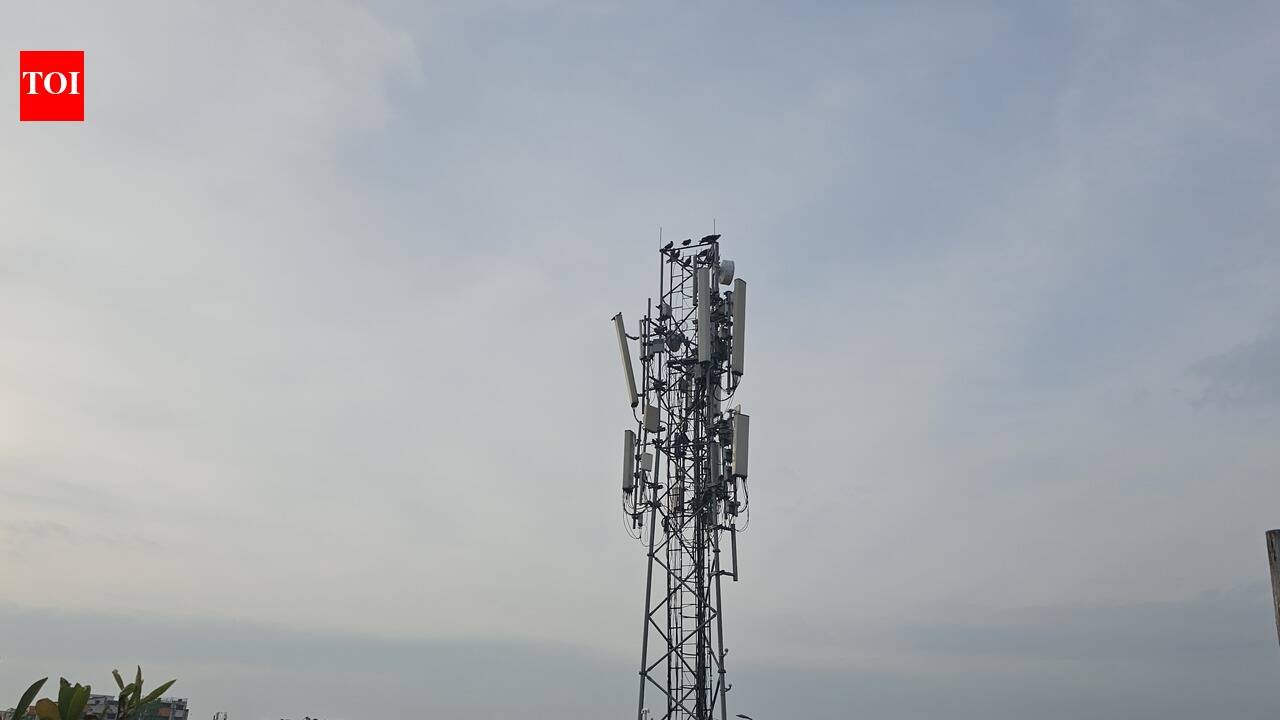
Bhubaneswar: More than half of Odisha’s telecom towers are exposed to high or very high cyclone risk that has raised concerns over the resilience of communication networks during extreme weather events, according to a study report by Coalition for Disaster Resilient Infrastructure (CDRI).The report, which assessed disaster risks to telecom infrastructure across the country, identified Odisha as one of India’s most vulnerable states due to its exposure to cyclones, floods, storm surges and other climate-related hazards. “About 57% of telecom towers in Odisha are exposed to high or very high cyclone risk,” the study said.It states that 26,919 telecom towers in the state face exposure to multiple hazards. The report found that telecom infrastructure in coastal districts such as Khurda, Cuttack and Balasore is particularly vulnerable to cyclones, while Balasore, Jajpur and Kendrapara face significant flood-related risks and storm surges exceeding six metres.Citing the impact of Cyclone Fani in 2019, the study said the storm disrupted 6,058 base transceiver stations (BTS), damaged around 450 km of optical fibre network and affected hundreds of telecom towers and associated equipment in the affected areas. The resulting losses were estimated at nearly Rs 600 crore.The report noted that telecom outages during disasters can hamper emergency response, dissemination of warnings, governance functions as well as economic activity. It identified telecom towers, optical fibre cables and backup power systems as among the most vulnerable components of communication networks.While Odisha has developed several disaster communication initiatives, including Early Warning Dissemination System (EWDS), mass messaging platforms and satellite-based communication systems, the study said growing climate risks require additional resilience measures.The report recommended strengthening telecom towers in coastal areas to withstand wind speeds of up to 250 kmph, expanding GIS-based mapping of telecom assets, building network redundancy through satellite and mobile communication systems, and ensuring reliable backup power at critical telecom sites.The study also called for dedicated disaster-risk financing mechanisms, insurance and closer coordination between telecom operators and disaster management agencies. “India’s telecom sector must move from reactive restoration towards proactive resilience planning,” the report observed.It warned that increasing frequency and intensity of extreme weather events could pose a growing threat to communication infrastructure in vulnerable states such as Odisha. “We are building climate resilient infrastructure at the vulnerable points. The impact will be less accordingly,” said a revenue and disaster management department official.


