



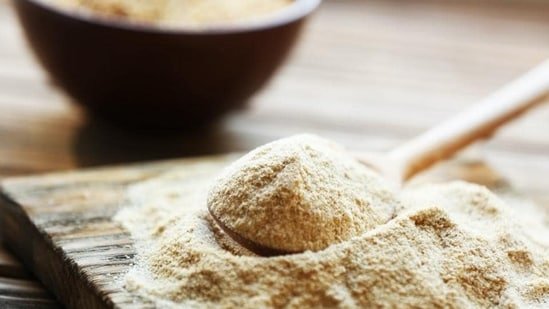
With growing awareness about the importance and benefits of protein in diet, protein powders are becoming more commonly used. From being used in morning smoothies and pancakes to post-workout shakes, these protein powders are being used by everyday people, not just hardcore athletes. While getting enough protein is important, choosing the right protein powder is even more crucial.
Health Shots reached out to health experts to determine what makes a protein powder effective.
What to check before buying protein powder?
Dr Archana Batra, a nutritionist and certified diabetes educator, covers all the key steps for using protein powder, from buying to using it, and shares five key points to consider when buying it.
1. Choosing the right type and source of protein
The type and source of protein affect how well your body absorbs and digests it, as well as whether it fits your diet. Here’s a quick overview:
- Soy: This protein comes from plants and contains all the essential amino acids. The body easily absorbs it. However, it may cause allergies in some people.
- Hydrolysed whey: This product is easily digestible and quickly absorbed. It is used in recovery after sports or medical treatments.
- Whey concentrate: This fast-absorbing milk product contains lactose, fat, and carbohydrates.
- Whey isolate: This product has more protein, less lactose, and is of higher quality.
- Casein: This slow-digesting protein helps your muscles recover overnight.
- Pea: Safe for sensitive people, high in BCAAs, but not enough on its own.
- Rice: This food is easy to digest and low in lysine. It is often mixed with peas.
- Hemp: It adds fibre and omega-3s but has less protein.
Plant-based blends, like pea and rice, provide a complete set of amino acids.
Scoop size and protein content for each serving
Don’t just consider the scoop’s size. When choosing a protein powder, check the protein content per serving. “A high-quality powder usually contains 60–80% protein per scoop”, says the nutritionist. Lower numbers often indicate that products contain more fillers, flavours, or sweeteners rather than being more nutritious.
2. Recognise personal needs
Most people can get enough protein from a complete, balanced meal that matches their activity level and lifestyle. Focus first on whole foods.
Protein powder may be helpful only if:
- You are training hard and need faster recovery.
- You eat a vegan or vegetarian diet and have limited protein options.
- You are recovering from an illness or surgery.
- “If you are losing muscle due to age or have a medical condition that requires more protein”, says Batra.
3. How to check the list of ingredients
To check the quality and concentration, follow these steps:
- Check the order of the ingredients
Ingredients are listed by weight, from heaviest to lightest. Your main source of protein, such as whey isolate or pea protein, should be listed first or second in the ingredient list. If gums or “proprietary blends” are at the top, that’s a warning sign. “If sugar is among the first 3-4 ingredients, it indicates the product has a high sugar-to-protein ratio. This reduces the product’s nutritional value,” Luke Coutinho, a wellness expert and Co-Founder of You Care Lifestyle, tells Health Shots.
Some protein powders are marketed as healthy options, but they often contain hidden sugars or excessive sweeteners.
Artificial sweeteners include Sucralose, aspartame, acesulfame-K, and saccharin. Refined sweeteners include maltodextrin, dextrose, corn syrup solids, and glucose. “Products that are naturally flavoured and lightly sweetened use ingredients such as vanilla bean, raw cacao, dates, real fruit powders, and cinnamon”, says Coutinho. You can customise your shake with monk fruit, stevia, or no added sweeteners if you prefer.
- Calculate protein concentration
To find out the percentage of protein in a food item, use this formula: Divide the protein serving size by the total serving size and then multiply by 100. A lower percentage indicates the product contains more fillers.
- Be cautious of “Proprietary Blends”
These groups use different ingredients but do not specify the amounts of each ingredient. “Even if the ingredients sound good, you can’t know how much of each one is in it, and it might mostly contain fillers”, says Coutinho. Being clear about what’s in a product builds trust.
4. Balance quality and cost
A high price doesn’t always mean high quality. “Cheap powders might use lower-quality ingredients or have poor manufacturing standards and testing”, says Coutinho.
Follow these tips:
- Compare the protein content of each serving.
- Be aware of extra additives that raise costs without adding real benefit.
- Digestive enzymes and added herbs can be helpful, but only if you actually need them.
5. Make sure it has been tested for safety
The supplement industry lacks consistent rules. Some protein powders may contain harmful substances, such as heavy metals and hidden steroids.
Keep this in mind:
- A 2025 study by Consumer Reports and the University of Connecticut found lead, cadmium, and arsenic in some protein powders. The FDA has warned multiple times about supplements that contain harmful ingredients like anabolic steroids or stimulants. Hidden steroids can cause liver damage, hormonal changes, and long-term heart risks.
- Choose products that are carefully tested for quality. One new standard is Pink Tiger. It verifies that labels are accurate, there are no contaminants, and ingredients are sourced cleanly. Check the publicly available reports. If the reported values exceed the safety limits, this raises concerns about the product’s safety and effectiveness.
Does it matter what time you take whey protein?
Now that you know how to choose a protein powder, the next step is to learn when to take it. Timing matters when it comes to how your body uses protein. You can take it before or after a workout to help with muscle recovery. Dr Nirupama Rao, a nutritionist at Rejua Energy Centre in Mumbai, shared two helpful tips with HT Health Shots.
1. Protein powder quantity and timing
Eating protein within 2 hours after exercise helps you recover better. A pre-sleep shake helps older adults keep their lean muscle overnight.A study published in the Journal of the International Society of Sports Nutrition shows that consuming 20–25 grams of high-quality protein every 3-4 hours helps build muscle effectively. Research from the NIH shows that a healthy adult who is not very active should aim to consume 0.8 grams of protein per kilogram of body weight each day.
2. Role and quality of protein powder
Modern diets do not provide a complete set of amino acids or consistent protein intake. Protein powders are not just for people who work out; they are necessary for everyone. Protein powders help fill in nutritional gaps.
(Disclaimer: At Hindustan Times, we help you stay up-to-date with the latest trends and products. Hindustan Times has an affiliate partnership, so we may get a part of the revenue when you make a purchase. We shall not be liable for any claim under applicable laws, including but not limited to the Consumer Protection Act, 2019, concerning the products. The products listed in this article are in no particular order of priority.)
(Note to readers: This article is for informational purposes only and not a substitute for professional medical advice. Always seek the advice of your doctor with any questions about a medical condition.)


