



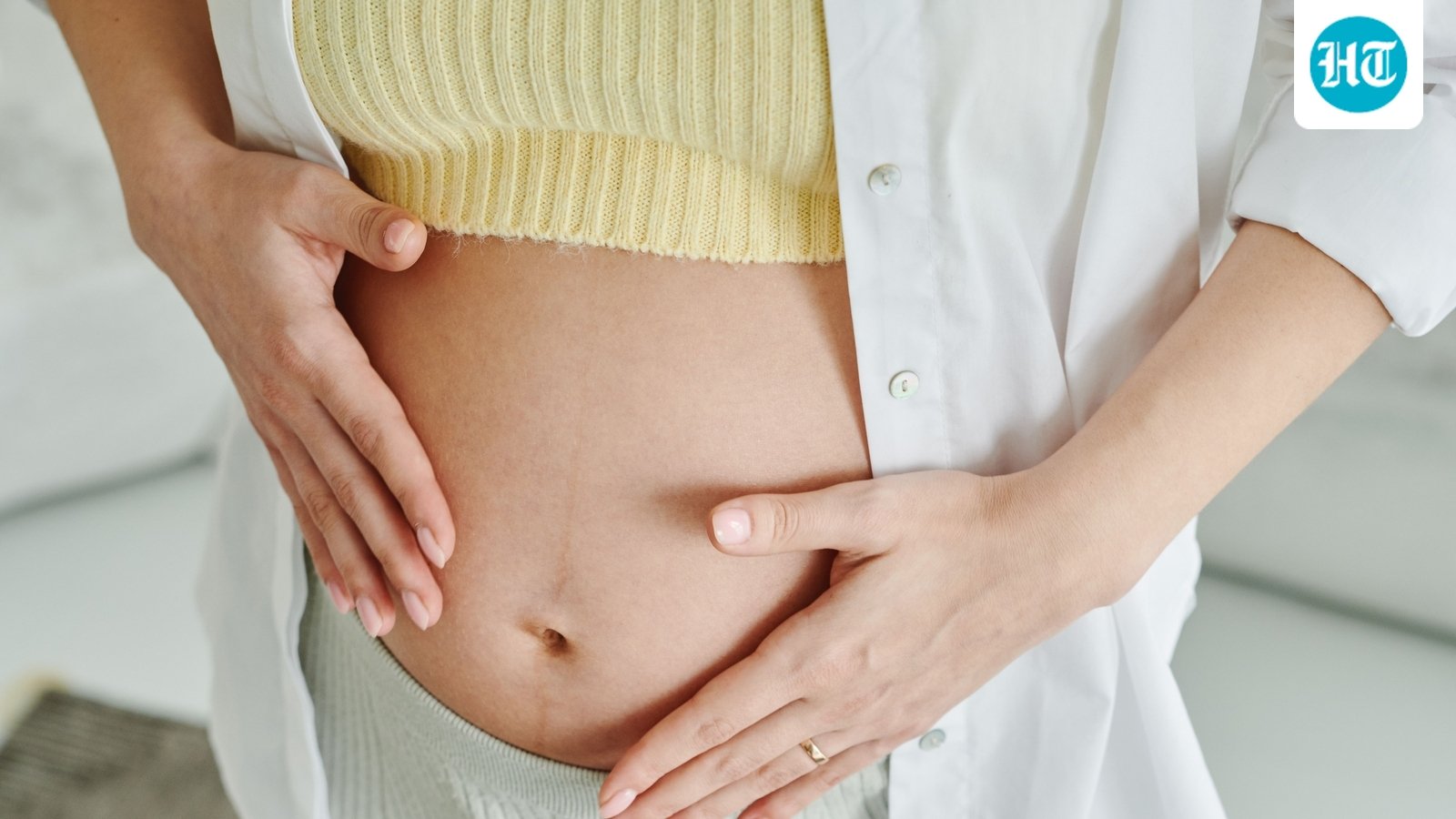
Pregnancy puts your body through many changes, so it does not immediately return to its pre-pregnancy state after childbirth. The same applies to your skin. You may notice several changes, from loose skin to stretch marks, but these are a natural part of postpartum recovery.
ALSO READ: High blood pressure during pregnancy? Gynaecologist shares 8 foods to eat and what to avoid
Dr Rickson Pereira, dermatologist at Dermatherapie clinic, Khar, told HT Lifestyle why these skin changes occur, the most common concerns new mothers may experience, and how to care for the skin after childbirth.
“Hormonal fluctuations, weight changes, stress, lack of sleep, and nutritional demands can all affect the skin’s health during the postpartum period,” Dr Pereira outlined the reasons why skin changes show up after pregnancy. But the dermatologist affirmed that the changes are temporary and if one follows proper care, they will eventually go away.
What are the most common changes after pregnancy?
Dr Rickson highlighted the following common postpartum skin concerns:
1. Melasma:
- Called ‘mask of pregnancy.’
- Appears as dark patches on the cheeks, forehead, or upper lip.
- Fades over time, but sun exposure can make pigmentation more prominent.
2. Stretch marks:
- Rapid stretching of skin during pregnancy can cause stretch marks.
- They gradually become lighter; they may not disappear completely without treatment.
3. Postpartum acne:
- New mothers may experience postpartum acne, even if they never had acne before.
- Hormonal fluctuations, stress, and lack of stress can all trigger breakouts.
4. Dry and sensitive skin
- Hormonal changes and physical demands of pregnancy and childbirth may leave the skin feeling unusually dry or sensitive.
5. Mild skin laxity
- Reduced collagen and elastin may cause loose skin, especially around the abdomen.
How to care for your skin?
The dermatologist recommended the following postpartum skincare tips:
- Keep your routine simple: Follow a consistent routine without introducing too many skincare products at once, particularly while breastfeeding.
- Cleanse gently: Use a mild face wash that cleans the skin without causing further dryness or irritation.
- Moisturise regularly: Apply moisturiser consistently to support the skin barrier and manage dryness or sensitivity.
- Wear sunscreen daily: Use a broad-spectrum every day to protect your skin and prevent pigmentation from becoming more prominent.
- Support recovery from within: Stay hydrated and eat a balanced diet rich in vitamins, protein, and antioxidants for skin repair.
- Rest whenever possible: Adequate sleep ensures the body’s natural recovery.
- Be careful with active ingredients: Consult a dermatologist before using retinoids or chemical exfoliants, especially if you are breastfeeding.
When to seek professional help?
Finally, the dermatologist advised consulting a medical professional if pigmentation, acne, stretch marks, or loose skin persist for several months or begin to affect your confidence. Early intervention often leads to better outcomes and helps identify treatments that are safe during the postpartum period. He also noted that dermatologist-guided treatments using technologies such as Alma Hybrid help to improve persistent stretch marks, acne scars, uneven skin texture, or mild skin laxity after pregnancy.
Note to readers: This article is for informational purposes only and not a substitute for professional medical advice. Always seek the advice of your doctor with any questions about a medical condition.


