






Every day, you encounter high-pressure moments, whether it is a looming deadline, an awkward conversation, or an incident that leaves you feeling very stressed.
ALSO READ: Start your day with less stress: Yoga poses, breathing exercises and morning habits that can help
When you feel overwhelmed, breathing techniques can aid in regaining focus and concentrating on your work.
There are several types of breathing exercises that may help you manage different stressful situations, from calming your nerves before a big presentation to tackling exam stress.
What are the different breathwork techniques you can add to your routine? Mugdha Pradhan, functional medicine practitioner,certified breathwork practitioner and founder and CEO of iThrive, a functional health company, shared five breathing techniques that may help manage stress and reinforce focus.
Explaining that stressful situations can trigger the body’s fight-or-flight response, she highlighted the value of breathing techniques. She added, “Breathing becomes very shallow, the heart drastically races, and the mind feels overwhelmed. In such situations, one of the quickest ways to calm the nervous system is through conscious breathing. Your breath directly signals safety to the brain, and eventually it helps the body move back into a calmer, regulated state.”
Here are her recommendations for the different types of breathing techniques, how to do them, and why they work:
1. Diaphragmatic (belly) breathing
Benefit:
- One of the simplest ways to relax the body.
Steps:
- Place one hand on your chest and another on your stomach.
- Inhale deeply through your nose so that the belly rises while your chest stays still, and then exhale slowly.
Why it works:
- This works because it reduces shallow chest breathing and improves oxygen delivery, further helping the body relax naturally.
2. Box Breathing
Benefit:
- Useful in situations such as before meetings, presentations, or even emotionally intense moments.
Steps:
- Inhale for four counts, then hold for four, exhale for four, and then hold again for four counts.
Why it works:
- It works wonderfully as the steady rhythm calms down the racing thoughts and brings back the focus in the present moment.
3. The 4-7-8 technique
Benefit:
- One of the most powerful techniques for anxiety as well as for controlling overwhelming thoughts.
Steps:
- Inhale through your nose for four counts, hold for seven, and then exhale slowly through your mouth for eight counts.
Why it works:
- Longer exhales activate the parasympathetic nervous system, which then helps the body relax and slow down.
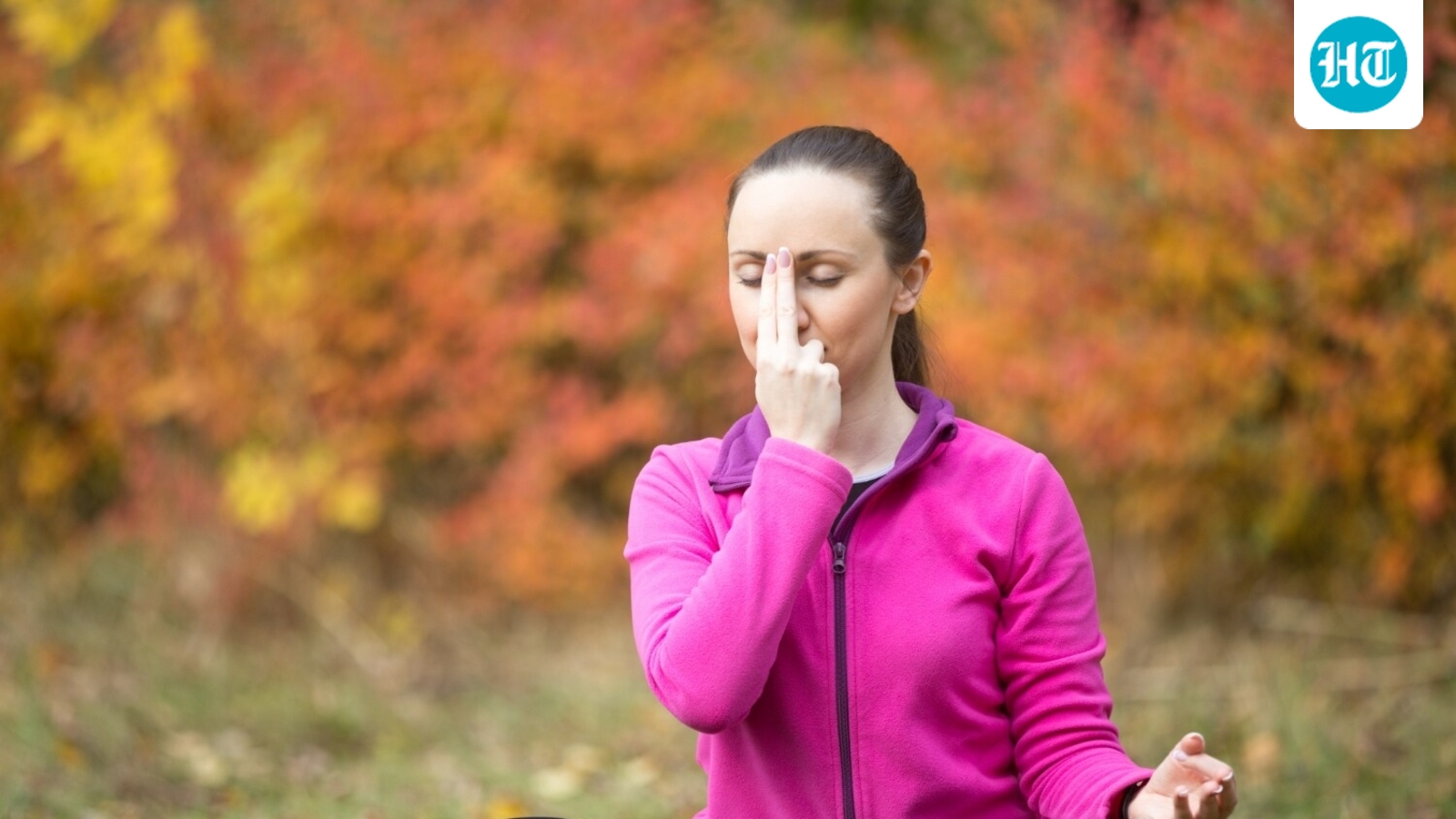
4. Alternate nostril breathing (Nadi Shodhana)
Benefit:
- Traditional pranayama practice that balances the nervous system.
Steps:
- Just close your right nostril and then inhale through the left.
- Now switch sides and exhale through the right.
- Keep continuing this by alternating sides slowly.
Why it works:
- It rapidly improves factors such as emotional balance, focus, and mental steadiness during stressful situations.
5. Prolonged exhalation breathing
Benefit:
- One of the easiest calming techniques.
Steps:
- Inhale gently for three to four counts and then exhale slowly for six to eight counts.
Why it works:
- Longer exhalations stimulate the vagus nerve, further helping slow the heart rate and calm the body.
Note to readers: This article is for informational purposes only and not a substitute for professional medical advice. Always seek the advice of your doctor with any questions about a medical condition.


