



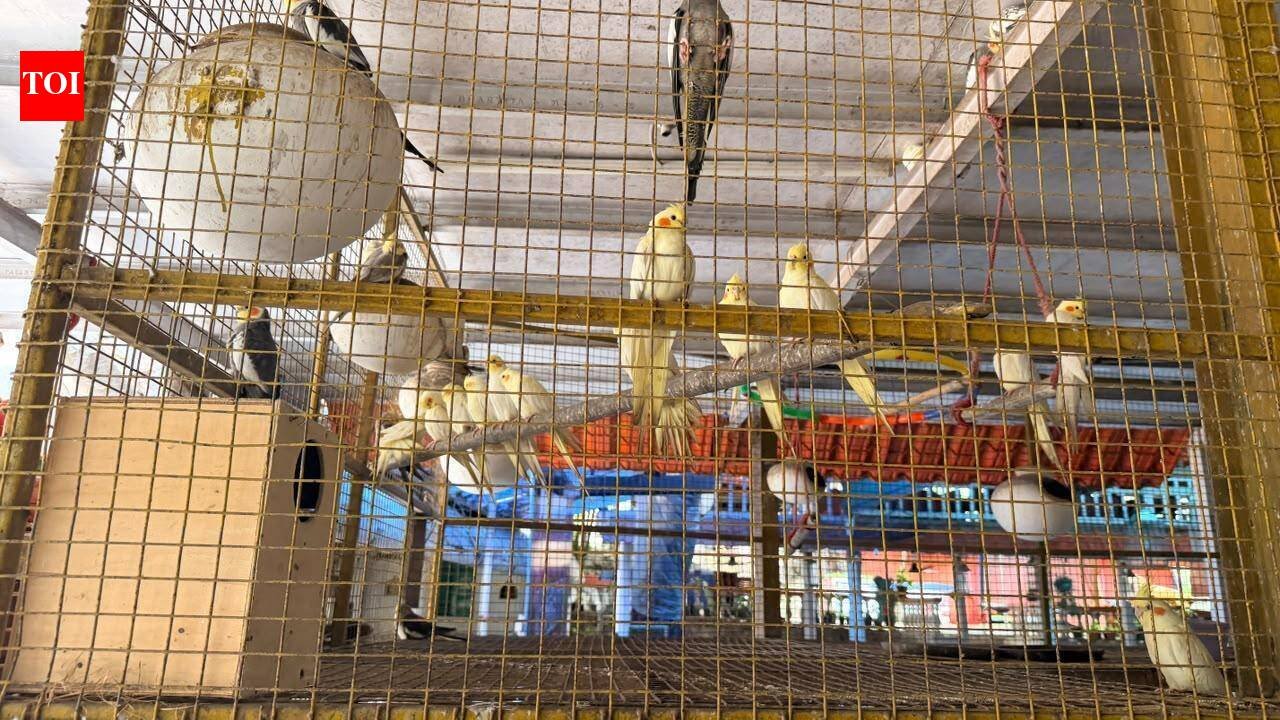
Navi Mumbai: Following calls and emails from concerned citizens about a café in Mira Road, Thane, keeping 37 cockatiels and nine sick rabbits in dingy, filthy cages, without adequate food, water or mental stimulation, People for the Ethical Treatment of Animals India (PETA India) intervened in the matter, resulting in the rescue and rehabilitation of the animals.PETA India local volunteer, Abhishek Kumar, visited the café and convinced the management to allow the animals to be rescued. After the rescue, the birds and rabbits underwent health check-ups and received treatment. All of the animals were sent to Kalote Animal Trust, an animal rescue sanctuary, for permanent rehabilitation.“Birds are social beings who are born to fly in the open sky, not spend their lives lonely and miserable in cages. Using birds and other animals for display or entertainment in cafés or restaurants can turn customers away, as many people are unwilling to support establishments where animals are subjected to cruelty,” said PETA India cruelty response coordinator Ishani Rathee.In the illegal bird trade, countless birds are taken from their families and denied everything that’s natural and important to them so that they can be sold as “pets”. Fledglings are often snatched from their nests, and other birds panic as they’re caught in traps or nets that can seriously injure or kill them as they struggle to break free. Captured birds are packed into small boxes, and an estimated 60% of them die in transit from broken wings and legs, thirst, or sheer panic. Those who survive face a bleak life in captivity, suffering from malnutrition, loneliness, depression, and stress. Rabbits, too, often face life imprisonment and neglect when kept as “pets”.PETA India – whose motto reads, in part, that “animals are not ours to use for entertainment or abuse in any other way” – points out that caging birds violates The Prevention of Cruelty to Animals Act, 1960, which stipulates that it’s illegal to keep or confine any animal in a cage or other receptacle that does not provide them with a reasonable opportunity for movement – and for an aerial bird, that means flight.


