









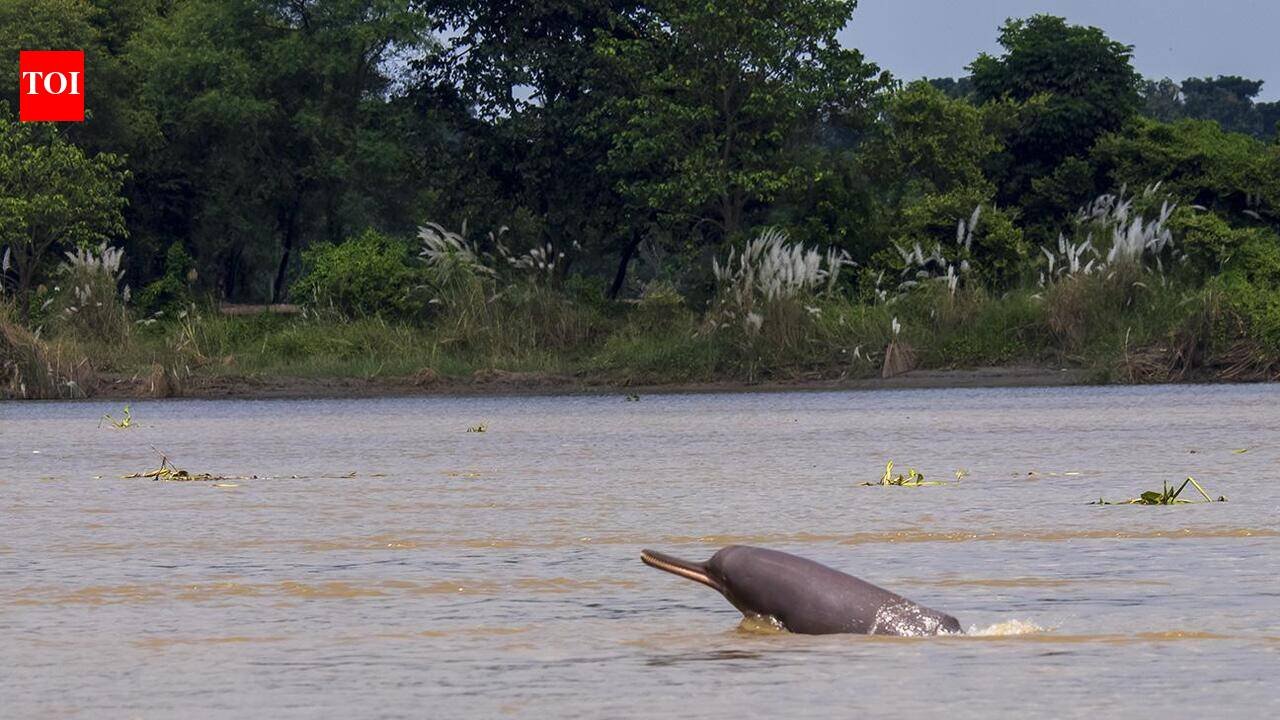
Kolkata: A total of 228 students from two schools in West Bengal participated in river and dolphin conservation programmes organised by WWF-India’s West Bengal State Office to mark National Dolphin Day 2026, with field activities offering them an opportunity to encounter the Gangetic River Dolphin in its natural habitat.The programmes were conducted at Sitahati High School in East Bardhaman and Nabadwip Bakultala High School in Nadia. Through interactive presentations, dolphin-themed film screenings and quiz competitions, students learnt about the Gangetic River Dolphin, India’s National Aquatic Animal, its ecological importance and the threats facing the species.Rivers are complex ecosystems that support aquatic species, wetlands, fish populations, birds and riparian vegetation, besides sustaining millions of people whose livelihoods depend on them. The Gangetic River Dolphin is an important indicator of the ecological health of these river systems.However, riverine biodiversity faces multiple threats, including water pollution, habitat degradation and fragmentation, reduced river flow, entanglement and accidental mortality in fishing gear, disturbance and other human-induced pressures. Conservation of the dolphin is, therefore, closely linked to protecting the health of the rivers it inhabits.The classroom sessions were followed by river-watching activities and nature trails, allowing students to experience the riverine environment and observe its associated biodiversity. During a river-watch activity, the team encountered Gangetic River Dolphins, with the encounter rate reported to be notably high at the site.The field experience helped connect classroom learning with the natural environment, enabling students to observe the species they had learnt about and understand its dependence on a healthy river ecosystem.The programmes sought to take conservation education beyond conventional classroom teaching by combining awareness sessions with direct exposure to river habitats. Such activities can help young people understand the ecological importance of West Bengal’s rivers and the need to protect the wildlife they support.The participation of 228 students across the two schools highlighted the potential of school-based river education to build awareness about riverine biodiversity and encourage the younger generation to engage with conservation.


