


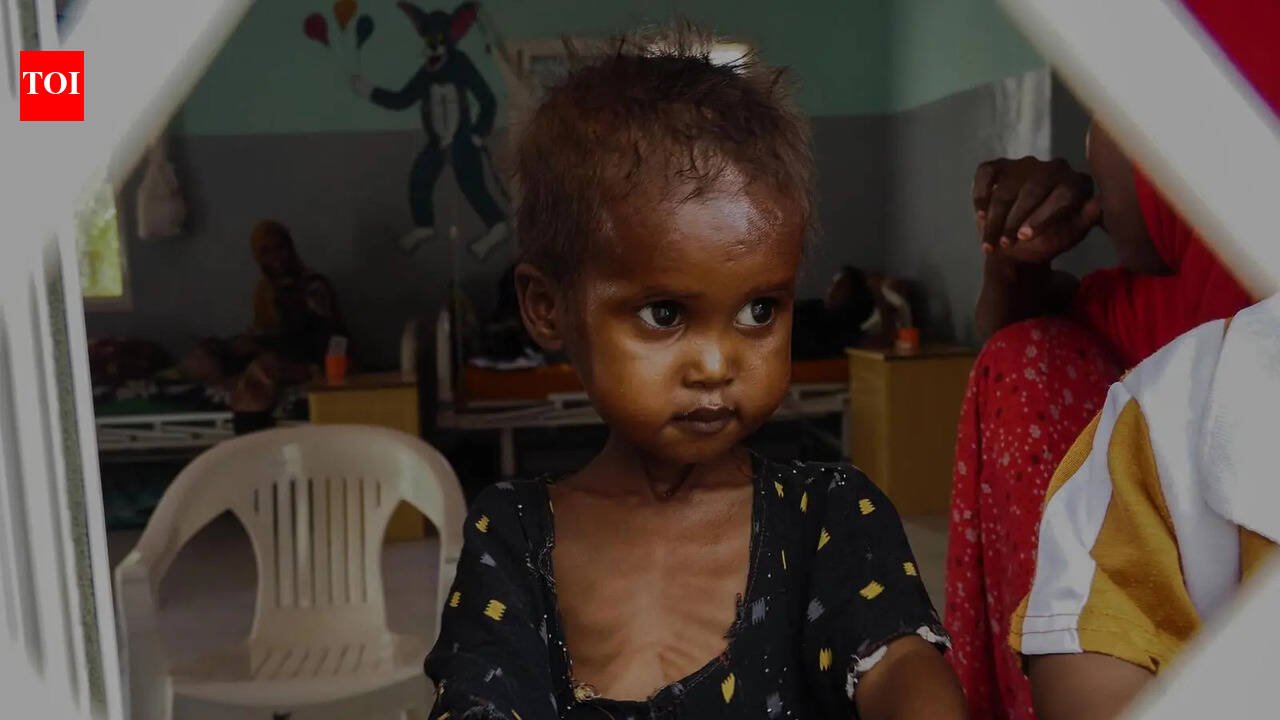
Bhubaneswar: Odisha continues to grapple with a high burden of acute child malnutrition, with 22.1% of children under five years of age classified as wasted (too thin for their height), significantly above the national average of 19%, according to the latest National Family Health Survey (NFHS)-6, 2023-24.Most importantly, the state witnessed an increase in the percentage of such children from 18.1 in NFHS-5 (2019-21) to 22.1. There is no difference between rural and urban kids, whereas India, overall, witnessed a slight dip from 19.3% to 19%.The data place Odisha among the worst-performing states in the country on this key nutrition indicator. Only a few states report higher levels, led by Madhya Pradesh (23.8%) and Jharkhand (22.3%).At 22.1%, Odisha’s wasting prevalence is over three percentage points higher than the national figure, suggesting that nearly one in five children nationally and more than one in five in Odisha suffer from acute undernutrition.The percentage of Odisha’s underweight children (below five years) also increased from 29.7 in NFHS-5 to 31.6 in NFHS-6. At national level, the percentage has decreased.Experts say such high levels of wasting indicate recent or severe weight loss, often linked to inadequate feeding practices, recurrent infections and household food insecurity.“Wasting is one of the most critical indicators of malnutrition, as it is closely associated with a higher risk of child mortality. Children who are wasted are more vulnerable to infections, and have lower chances of survival without timely intervention,” says former public health director Dr Niranjan Mishra, however, adding the state has done better in other parameters, and will improve in this one too.The NFHS‑6 findings suggest that despite improvements in healthcare access and institutional deliveries, acute malnutrition remains a stubborn challenge in Odisha.Stunting (low height for age) among children under five years in Odisha, however, dropped to 26.8% from 31% in NFHS-5. It is also lower than the national average of 29.3%.While the state sees a decline in key child malnutrition indicators, a rise in overweight adults and obesity points to a growing dual burden of undernutrition and lifestyle-related risks.The share of women who are overweight or obese has increased sharply to 29.7% from 23% in NFHS-5, and men to 27.8% from 22.2%, both slightly above national levels (30.7% for women and 27.3% for men in NFHS-6).On the flip side, underweight prevalence is declining among women in Odisha — down to 18.9% from 20.8% — while it rose among men to 17.5% from 15.3%, indicating uneven progress.Public health experts describe this as a “double burden of malnutrition”, where undernutrition in children coexists with rising obesity in adults.
