



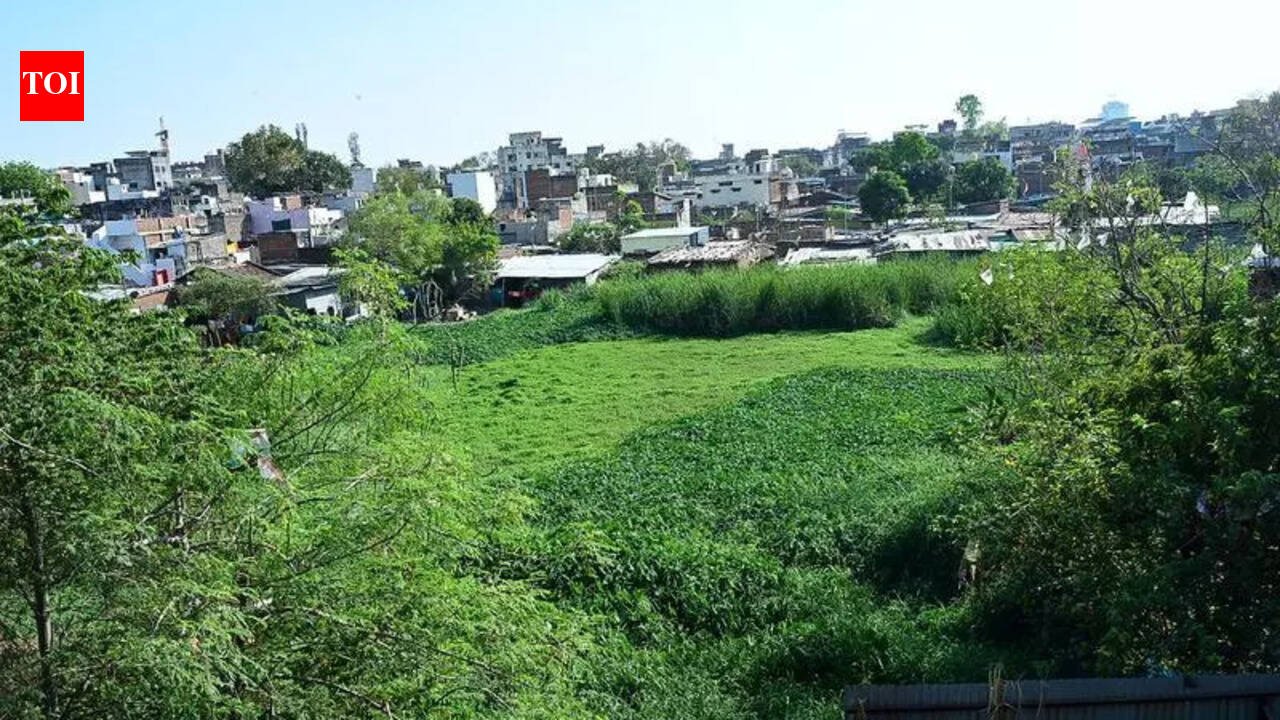
The situation of the remaining lakes is hardly better. Ambazari Lake, the city’s largest water body, is slowly dying due to the unchecked spread of water hyacinth and continuous discharge of untreated sewage from more than five sources. Experts warn that if urgent action is not taken, the lake could lose its ecological capacity within a few years.Similarly, Sonegaon and Sakkardara lakes lost almost their entire catchment areas, largely due to construction activities permitted by planning authorities over the years. With the natural inflow channels blocked or altered, the lakes are increasingly dependent on stormwater and sewage inflows.Pollution is also rampant in several other lakes. Naik, Binaki, and Lendi Talao continue to receive untreated sewage water, severely affecting water quality and making rejuvenation efforts difficult. Encroachments by hutments and informal settlements along the periphery of many lakes further complicate conservation works. The rejuvenation of Lendi Talao could not take place due to encroachments around the water body.The RTI response to activist Abhay Kolarkar stated that between Jan 1, 2015, and Jan 31, 2026, Nagpur had 11 lakes, including Ambazari, Futala, Sonegaon, Pandhrabodi, Police Line Takli, Binaki Mangalwari, Naik, Gorewada, Sakkardara, and Gandhi Sagar. However, the civic body admitted that only 5 lakes — Gorewada, Ambazari, Sonegaon, Sakkardara, and Gandhi Sagar — are currently owned by it, while the remaining six are owned by different agencies.Urban planners say this fragmented ownership is one of the biggest hurdles in lake conservation, as multiple agencies control different water bodies, often leading to a lack of accountability.Despite the worsening condition of lakes, the NMC admitted in its RTI reply that no funds were received under the State Lake Conservation Scheme during the period under review. However, civic officials clarified that some works were undertaken using funds received under other state govt schemes, as the scheme was closed since a decade ago.For instance, the Gandhi Sagar Lake rejuvenation project received Rs48 crore for beautification and restoration. While most civil works are reportedly completed, the installation of fountains and the construction of retaining walls on the western and northern sides are still pending.Environmentalists argue that Nagpur once had a well-connected network of natural and man-made lakes that helped regulate stormwater flows and maintain ecological balance. The shrinking number of lakes, combined with rampant urbanisation, is now increasing the risk of urban flooding, groundwater depletion, and loss of biodiversity.Experts say the latest revelations underline the urgent need for a comprehensive lake conservation policy, strict protection of catchment areas, and coordinated management across agencies, warning that without decisive action, more lakes may soon vanish from Nagpur’s map.BOXFUNDING FOR LAKE WORKSPolice Line Lake: Rs7.33 croreBinaki Lake (Phase II): Rs3.21 croreNaik Lake: Rs9.61 croreSakkardara Lake: Rs9.99 croreFunding SourceFunds for these works were received under various state govt schemes, including Moolbhut Suvidha (basic amenities) and Nagarik Suvidha schemesNo Funds Under Lake Conservation SchemeCivic officials clarified that no funds were received under the State Lake Conservation Scheme. Instead, lake-related works were carried out using allocations from other state govt programmes


