






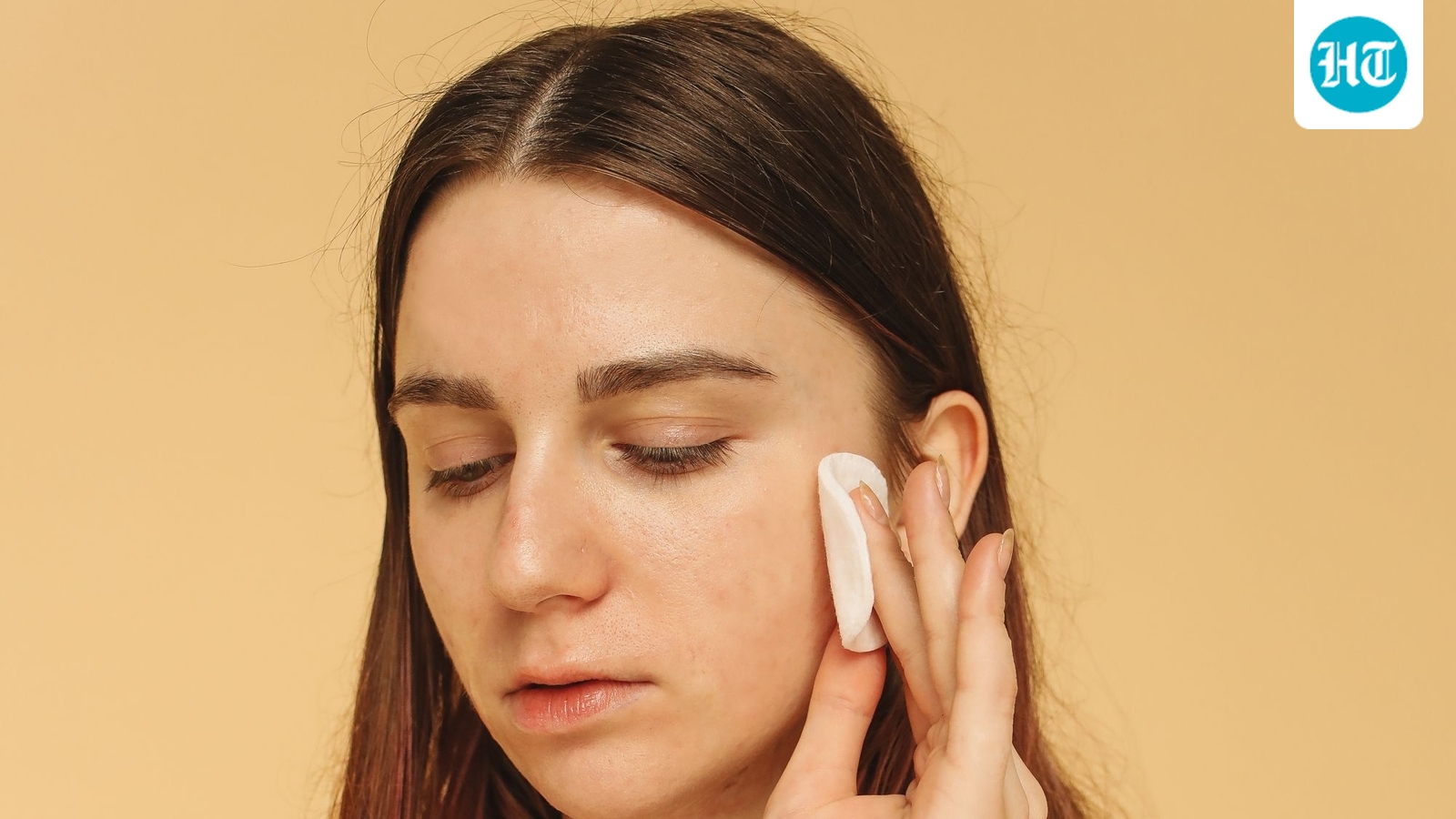
Your skin is often the most honest messenger your body has, and it rarely lies, even when we’d prefer it did. As the largest organ of the body, the skin can reflect several aspects of our daily lives, from stress and sleep to hormonal changes and everyday habits. In this edition of HT Lifestyle’s series, ‘Your Body Is Trying To Tell You,’ we spoke to Tamanna Singh, certified menopause coach and co-founder of Menoveda, to understand what our skin may be telling us about our lifestyle and overall well-being.
Also read | Dermatologist shares skincare tips to protect your skin from India’s sudden weather shifts
Estrogen decline
Tamanna Singh highlighted that estrogen supports collagen production and skin hydration. As estrogen declines during perimenopause, skin can become drier, thinner, and less elastic, sometimes within a surprisingly short period of just a few months. If your skin suddenly feels different, more fragile or less resilient than before, that’s rarely random or purely cosmetic.
Hormonal changes
Breakouts in your 30s and 40s often point to hormonal imbalance rather than diet alone, particularly around the jawline and chin. “This pattern usually means androgens, another set of hormones, are playing a bigger relative role than usual, something that catches many women by surprise well past their teenage years,” explained Tamanna.
Poor sleep and high stress
According to Tamanna, dull, tired-looking skin is frequently linked to poor sleep and high stress, both of which affect blood flow and repair processes overnight. Skin genuinely does its healing while you sleep, so poor sleep shows up on your face before it shows up almost anywhere else in the body.
Improper diet
Diet and gut health matter here too, more than most skincare routines account for. Skin often reflects what’s happening internally, whether that’s inflammation, nutrient gaps, or blood sugar swings, long before any of that shows up in a blood test. This is why two women with identical skincare shelves can have completely different skin, depending on what’s going on beneath the surface.
What can help
● Don’t over-treat with products before addressing sleep, hydration, and stress first
● Keep your skincare simple but consistent, both morning and night
● Support collagen with adequate protein intake through your meals
● Track skin changes alongside your cycle or stress levels to notice patterns
Your skin isn’t separate from the rest of your body, however much we treat it that way. It’s connected to your hormones, your sleep, and your stress levels, all at once, all the time.
Note to readers: This article is for informational purposes only and not a substitute for professional medical advice. Always seek the advice of your doctor with any questions about a medical condition.


