


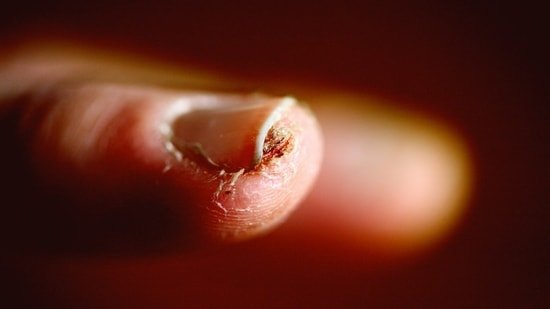
If your nails are yellowish in colour or if they appear to be unusually thick and brittle, this may be a cosmetic concern, but it could be an early sign of a fungal nail infection in need of medical care. Fungal nail infections may not be noticed until they cause pain or make walking uncomfortable, and can get worse with time if not treated. In an interview with HT Lifestyle, Dr Vishalakshi Viswanath, consultant dermatologist, KIMS Hospitals, Thane, discusses the symptoms you shouldn’t dismiss.
Also read | Summer 2026 nail trends decoded: From minimal chic to statement designs, the coolest manicures to try now
Fungal nail infection
“Onychomycosis is the medical term for fungal nail infections, which are caused by fungi that grow under or within the nail,” said Dr Vishalakshi. It typically affects a small area under the fingernail, appearing as a white or yellow spot that slowly turns the nail thick, discoloured, brittle or distorted in shape. Sometimes the nail can even break off from the nail bed.
Dr Vishalakshi highlighted that people are often not aware of these early changes since it does not hurt initially. Many people think that the discolouration of the nails is normal with age or due to some minor injury sustained by the nail. If a person experiences consistent yellowing, thickening or crumbling nails, they should not be ignored, particularly if the changes worsen progressively.
Why does this happen?
According to Dr Vishalakshi, Onychomycosis may affect either fingernails or toenails or both; however, toenail involvement is much more common than fingernail involvement. Some people are susceptible to fungal infections of the nails. They are more likely to occur in older adults, those with diabetes, compromised immune system, poor blood flow, obesity, or those who wear closed shoes for long periods of time.
Warm, moist weather during the monsoon can also provide conditions that are favorable to fungi, especially when feet are kept moist for long periods of time. Fungal nail infections are common due to trauma, frequent or prolonged immersion in water or improper manicure techniques.
Impact of fungal infections
If the fungal infections of the nails are not treated, the infection can spread to other nails and the surrounding skin. Untreated fungal infections can lead to secondary bacterial infections, which may be associated with pain or swelling on the nail fold areas and slow wound healing in persons with diabetes or weakened immune systems.
How to prevent it?
Adequate foot care is key to prevention. Dr Vishalakshi recommends washing feet regularly, changing socks frequently, wearing shoes that allow good ventilation, not walking on the floor of public swimming baths or showers with bare feet, and not sharing footwear, nail clippers or other accessories with others. Prolonged immersion in water should be avoided, and salon clients should ensure that nail care tools are sterilised.
Don’t just depend on home remedies or disregard unusual nail transformations. Early medical evaluation is essential as not all thick and discoloured nails are fungal infections. Certain skin diseases, such as psoriasis and eczema, can be confused with fungal nail infections.
Hence, it is important that these nail conditions are properly diagnosed by the dermatologist, who may advise a nail clipping to identify the fungal organism so that the patient can receive the appropriate treatment. Treatment modalities range from oral antifungal drugs, topical antifungal creams or nail lacquers, specialised lasers or nail surgery.
“Good nails can indicate good health. Being aware of the minor changes and timely medical attention can ensure that minor infections do not become a problem,” said Dr Vishalakshi.
Note to readers: This article is for informational purposes only and not a substitute for professional medical advice. Always seek the advice of your doctor with any questions about a medical condition.
