



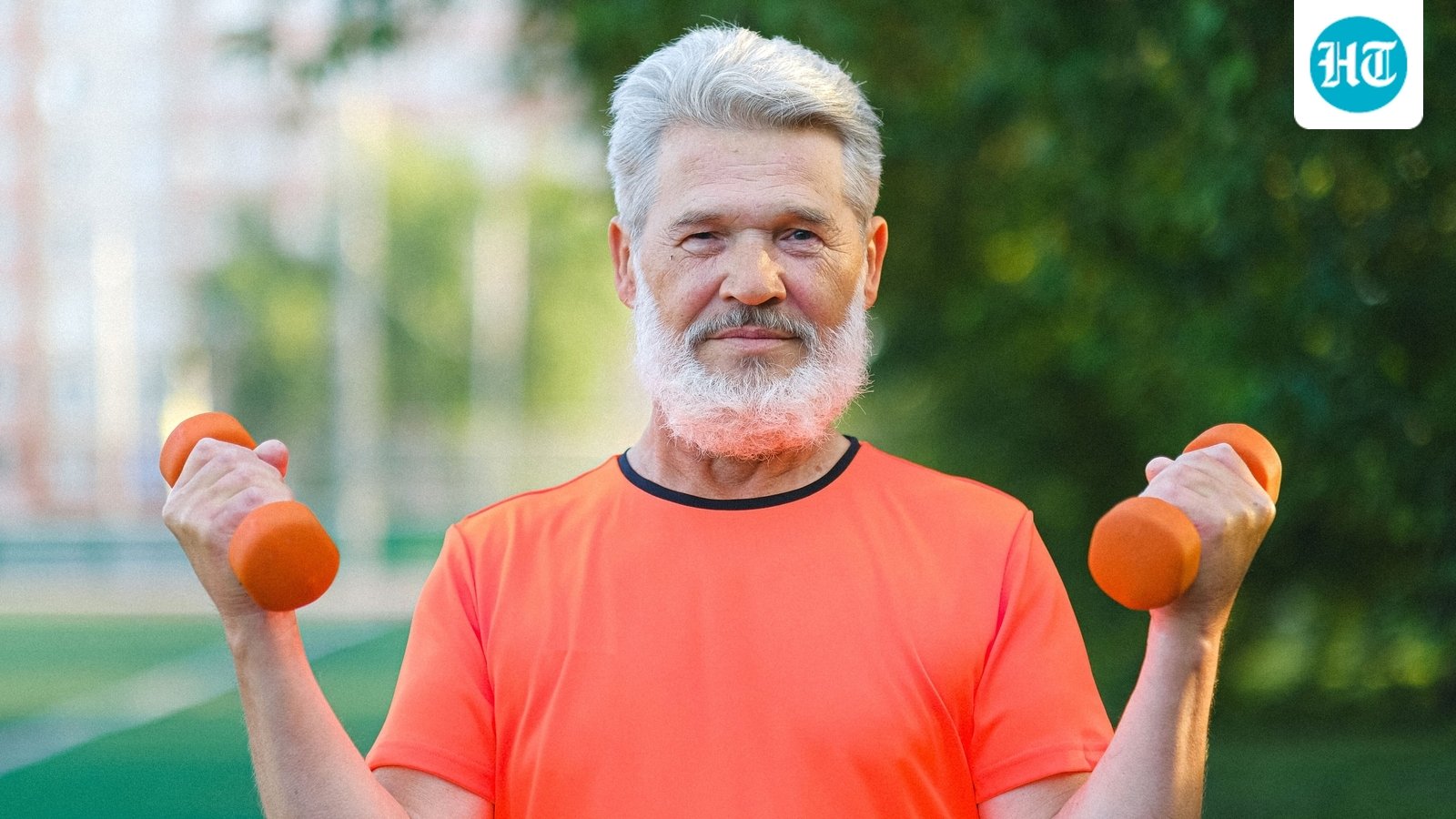
When a person approaches old age, they typically lose strength. This happens naturally for a number of reasons, including loss of muscle mass and slowing metabolism. However, there are ways to slow strength loss, such as performing strength training and following the right diet.
Also Read | Going for a swim in the rain? ENT specialist Dr Shilpi Budhiraja shares guide to protect ears and sinuses
Taking to Instagram on August 20, Dr Kunal Sood, a Maryland-based physician in anesthesiology and interventional pain medicine, shared a list of five supplements that can help in this regard. They are presented as follows.
1. Creatine
According to Dr Sood, creatine has the strongest evidence on this list to support strength as one ages. It helps regenerate ATP (adenosine triphosphate, energy-carrying molecule) during high-intensity exercise, allowing better training quality over time.
“In older adults, combining creatine with resistance training consistently improves lean mass and strength more than training alone,” shared the physician.
2. Vitamin D
Vitamin D supports bone health, neuromuscular function, and muscle performance, pointed out Dr Sood. “Correcting deficiency may improve strength and function, but taking extra vitamin D has not consistently increased strength in people who already have adequate levels,” he noted.
3. Omega-3s
Omega-3 fatty acids like EPA and DHA may help ageing muscle respond better to protein and resistance training through effects on inflammation and muscle protein synthesis, shared Dr Sood, adding, “Some studies show modest improvements in strength, while others find little difference.”
4. Magnesium
As per Dr Sood, magnesium is essential for ATP production, nerve signalling, and normal muscle contraction. “Replacing deficiency may improve physical performance, but evidence that extra magnesium boosts strength in magnesium-replete adults remains limited,” he stated.
5. Protein powder
In the words of Dr Sood, “Protein powder is simply a convenient way to reach protein goals. When paired with resistance training, adequate protein supports greater gains in lean mass and strength, especially in older adults who are not already meeting their protein needs.”
In the end, the physician highlighted that creatine and adequate protein have the strongest evidence for improving strength with resistance training. Vitamin D, magnesium, and omega-3s are best viewed as supportive tools that help remove limiting factors rather than directly building muscle.
Note to readers: This article is for informational purposes only and not a substitute for professional medical advice. Always seek the advice of your doctor with any questions about a medical condition.
This report is based on user-generated content from social media. HT.com has not independently verified the claims and does not endorse them.
Dr Kunal Sood, MD, is a double board-certified physician in Anesthesiology and Interventional Pain Medicine. He did his residency and fellowship in anesthesiology at Wayne State University in Detroit, Michigan, followed by a one-year fellowship in interventional pain medicine. He later became the Medical Director of the office in Germantown, Maryland.


