



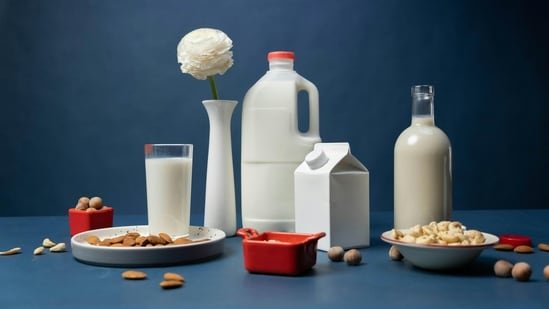
Milk has long been considered one of the healthiest drinking options, and for good reason. Previously, it was promoted as something that helped build strong bones and healthy bodies.
However, the scope of the discussion has widened in recent times, with multiple alternatives such as cow milk, goat milk, soy milk, almond milk, oat milk and coconut milk becoming available in every market.
Speaking with HT Lifestyle, Dr Kshitij Mody, an orthopaedic surgeon specialising in joint replacement, sports medicine, and arthroscopy, shared which milk provides the nutrients the body needs to repair tissue, rebuild bone, and restore strength, on the occasion of World Milk Day.
Highlighting the importance of drinking milk, especially while recovering from illness, injuries or surgery, Dr Mody stated, “Among natural beverages, dairy milk contains one of the most complete protein profiles available, including all essential amino acids required for tissue repair.”
He went on to discuss the benefits of milk from two animal and three plant-based sources. They are presented as follows.
Benefits of cow milk
Dr Mody considered cow milk to be an all-rounder, stating, “For most healthy individuals, cow milk remains one of the most balanced options for recovery. A typical glass provides approximately 8 grams of high-quality protein along with calcium, phosphorus, potassium, vitamin B12, and other nutrients important for skeletal health.”
“Cow milk proteins, particularly whey and casein, have been extensively studied for their role in muscle protein synthesis and post-exercise recovery,” he shared. “For patients recovering from fractures, ligament reconstruction, or joint replacement surgery, cow milk continues to be an excellent nutritional choice.”
Benefits of goat milk
According to Dr Mody, goat milk is easier on some stomachs. “Goat milk has gained popularity among individuals who experience digestive discomfort with cow milk,” said the surgeon. “While its protein content is similar (to cow milk), goat milk contains smaller fat globules and a somewhat different protein composition, making it easier for some people to digest.”
Goat milk also contains calcium and phosphorus in meaningful quantities that support bone health. While evidence does not suggest that goat milk heals injuries faster than cow milk, it can be a useful alternative for those who tolerate it better, shared the surgeon.
Benefits of soy milk
Among non-dairy alternatives, Dr Mody ranked soy milk highest. “Unlike almond or coconut milk, soy milk contains a substantial amount of protein, often approaching that of cow milk,” he stated.
“When fortified with calcium and vitamin D, soy milk can provide nutritional benefits comparable to dairy milk. For vegetarians, vegans, or individuals with lactose intolerance, soy milk is arguably the strongest plant-based option for supporting recovery after surgery or injury,” shared Dr Mody.
Benefits of almond milk
While almond milk is very popular, most commercial varieties have little to offer in terms of protein content, shared Dr Mody, adding, “A glass may contain just one gram of protein or less.”
“While fortified almond milk can contribute calcium and vitamin D, it should not be relied upon as a primary recovery beverage if muscle rebuilding and tissue repair are priorities. Think of almond milk as a useful dietary addition rather than a nutritional powerhouse for healing,” noted the surgeon.
Benefits of coconut milk
“Coconut milk has become popular due to its flavour and use in plant-based diets. However, from a recovery standpoint, it offers relatively little protein and does not provide the amino acid profile necessary for optimal tissue repair,” noted the surgeon.
According to Dr Mody, coconut milk can be part of a balanced diet, but by itself, it is unlikely to support healing as effectively as dairy milk or fortified soy milk.


