



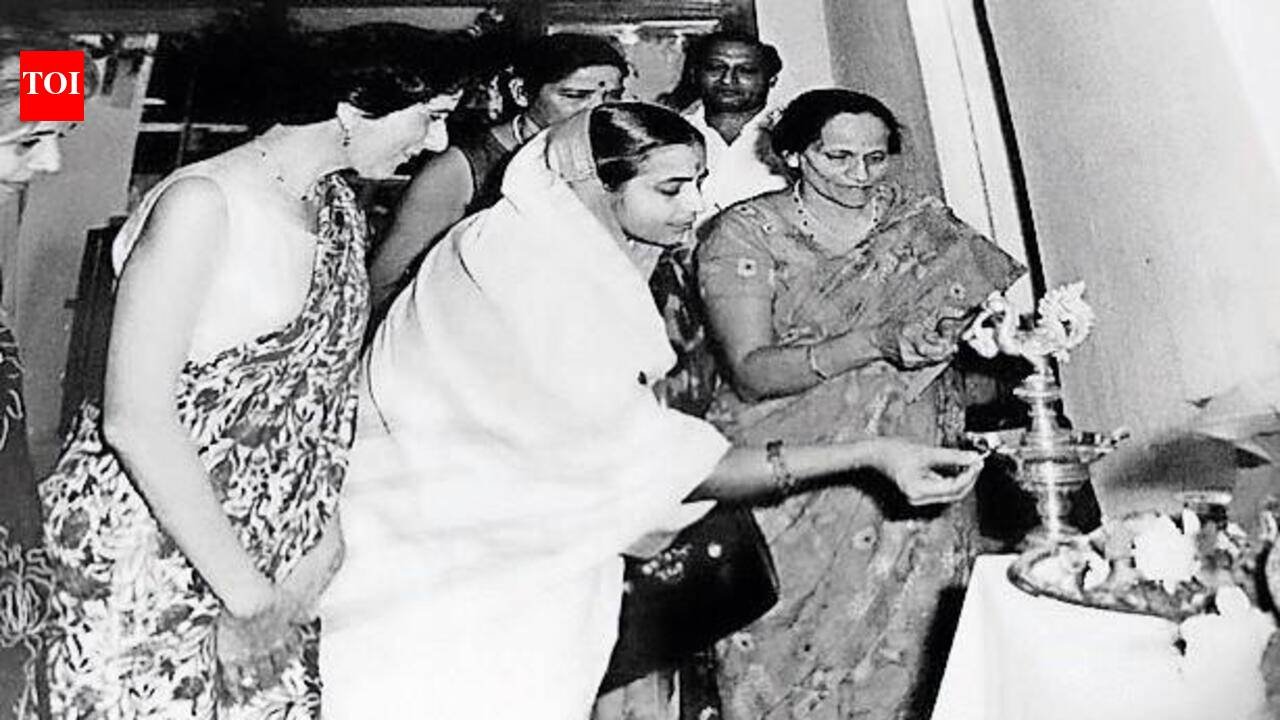
Not far from the bustling fish market in Sassoon Dock sits the Women Graduates Union building in Colaba, with its offices and working women’s hostel tucked into a leafy lane. The organisation, established in 1915, turns 111 this year.It plans to celebrate with a host of cultural events this month (and later in the year) and launch its annual scholarship scheme on Aug 18“We’ve been distributing scholarships since 1957. This year, Rs 25 lakh will be awarded to more than 100 students,” says Gauri Chhabria, the Union’s former president and Scholarship Committee chairperson.Among the thousands who received scholarships from the Union include deputy municipal commissioner, BMC, Chanda Jadhav, “We awarded her a scholarship when she was young and she went on to donate Rs 1 lakh to our scholarship fund later on,” says Chhabria.An initiative of the Association of British University Women in India, the Women Graduates Union is committed to women’s empowerment through education, skill-building and counselling.The Bombay Presidency Women Graduates Union —founded by Dr Annette Benson, a medical officer at Cama Hospital—was the precursor of the Women Graduates Union.Significantly, the first woman Bachelor of Arts graduate from Bombay Province was Cornelia Sorabji, who secured her degree in 1888. (Bombay University opened all its degree courses to women in 1883.)In 1921, Sorabji became the first secretary of the Federation of University Women in India, an institution which was renamed Indian Federation of University Women’s Association (IFUWA). The Women Graduates Union is affiliated with this body and with Graduate Women International.Since its inception, Women Graduates Union has consistently advocated for women’s rights: it secured seats for them in several male-dominated power centres, including the Bombay University senate and Bombay Municipal Corporation.It also secured women bed and board with a hostel, inaugurated by Pratibha Patil, minister for social welfare and cultural affairs at the time—and later President of India—on October 27, 1974.Today, the hostel accomodates more than 100 working women in 80 rooms. “They have to be working women with a monthly salary between Rs 20,000 to 50,000. Our hostelites include PhD scholars too. Admission is granted after an interview and verification of their jobs, salary and identification of local guardians,” explains chairperson of the hostel committee, Kanta Tripathi.Anushka (second name withheld on request), a scientist at Tata Institute of Fundamental Research, says the hostel is an ideal place for working women. “It is a home away from home, safe and secure.”Besides the hostel which allows women to pursue careers and aspirations with confidence, Women Graduates Union also runs a counselling and guidance centre, a study centre for children from municipal schools and a balwadi for toddlers. “The aim is to provide a strong foundation in education to children in their formative years,” says honourary secretary Raka Ghosh.The organisation’s counselling centre, on the other hand, aims to build a strong emotional bedrock. “Our sessions on mental health teach our members breathing methods, relaxation and mindfulness techniques, how to manage stress and anxiety and cognitive exercises for the brain,” says counsellor and psychologist Rielle Martin.Women Graduates Union also hosts conferences and is invited by other women’s organisations to discuss critical issues of women’s welfare and empowerment, says former president Sabita Chuganee.Their 111-year journey has indeed been eventful.


