






Occasionally, we use affiliate links on our site. This in no way affects our editorial decision-making.
Once upon a time, in a land of logomania and iPods, a young Anne Hathaway performed a glittering rendition of Queen’s hit song “Somebody to Love” at a giant’s wedding during the quest to find her fairy godmother — ah, 2004’s “Ella Enchanted,” Y2K Medievalism at its finest.
The fantasy-comedies of the turn of the century introduced a new subculture, one that revived the Arthurian fantasies of the Middle Ages through a meta-satirical lens on 2000s politics. Or, in the words of medieval revival enthusiast and historical costume designer Samantha Franco, it’s about “reimagining the past with modern sensibilities.” The fusion led to brightly colored velvet mini dresses, metal-infused designs and intricately beaded corsets infiltrating mainstream fashion.
This style actually harkens back to the medieval revival that preceded it, in the mid-1960s. Born amid the counterculture movement, revivalists rerooted medieval fashion with ’70s-inspired silhouettes, flowy blouses, flared pants and psychedelic patterns.
And once again, as fashion cyclically does, we’ve arrived at its next resurgence. Nowadays, Phoebe Bridgers parades as a magical elf in a suburban American neighborhood for her new single; Brittany Broski knights celebrities into her “Royal Court” kingdom and the inescapable “GRWM to go to the Ren Faire” videos on my FYP every fall seem all too familiar. The revival seems like a natural progression of the coquette, upcycled fashion wave, and a complete antithesis to quiet luxury. Ahead, we welcome flowy “Shakespearean” tops and chainmail accents, giving otherwise medieval silhouettes a 2026 twist.
Most everything the medieval revival brings reads as a refusal of everything modern. Earlier movements were, in large part, reactions against social turmoil: class consciousness during Victorian-era industrialization, the Vietnam War and McCarthyism in the 1960s, and the onset of the digital age in the 2000s. It was only a matter of time before big tech and rising conservatism brewed a dark age of our own, priming the fashion landscape for another medieval resurgence.
“The nostalgia mixed with the ultimate form of escapism, romantic fantasy, gives people the chance to escape the pressures of the real world under a chainmail hood,” Rosie Evans, a “high fantasy” fashion designer, says.
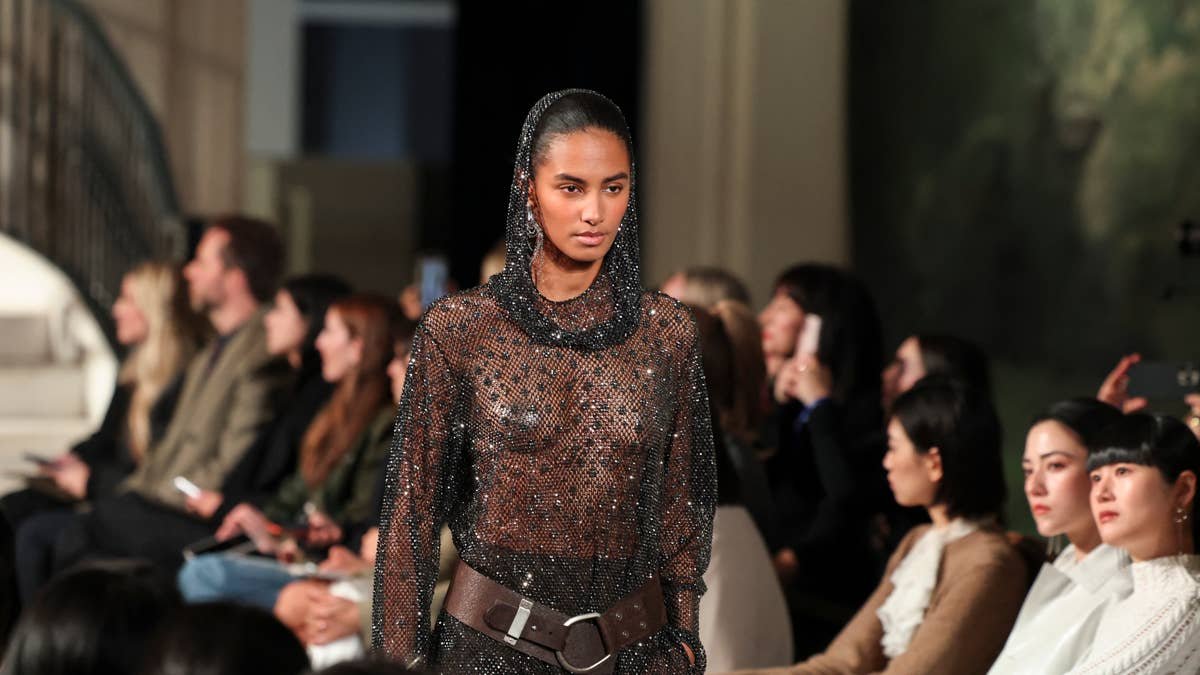
What better way to shield oneself from the stripping away of bodily autonomy than by putting on a sheer tunic by Ralph Lauren (a piece that vaguely resembles a 15th-century chainmail coif)?
Photo: Angela Weiss / AFP via Getty Images

At its core, the medieval revival aesthetic is an act of resistance, deeply rooted in society’s yearning for a way of life that pre-dates ChatGPT and the term “broligarchy.” The concept brings with it notions of slower living. “Medieval clothing was all made by hand out of natural fibers, and I think the fatigue with fast fashion is making us long for that again,” Franco says.
“I think we all wish that we lived within walking distance of each other and [were] gossiping in the town square rather than in group chats,” says Ali Ambrose, a digital content creator who champions the revival through beauty and hair content. “[The medieval] revival feels authentic, but within the aesthetic bounds that we’re all spoiled by nowadays.”
Ironically, but not unexpectedly, the style’s popularization is being led by groups that were marginalized in medieval times. Women, BIPOC and LGBTQIA+ creators are curating and designing looks that subvert historical norms — from Chappell Roan clad in Joan of Arc-style armor to the Pinterest-viral dress from Betsey Johnson’s 1997 fall collection that many, including Ambrose, are “obsessively searching” for.
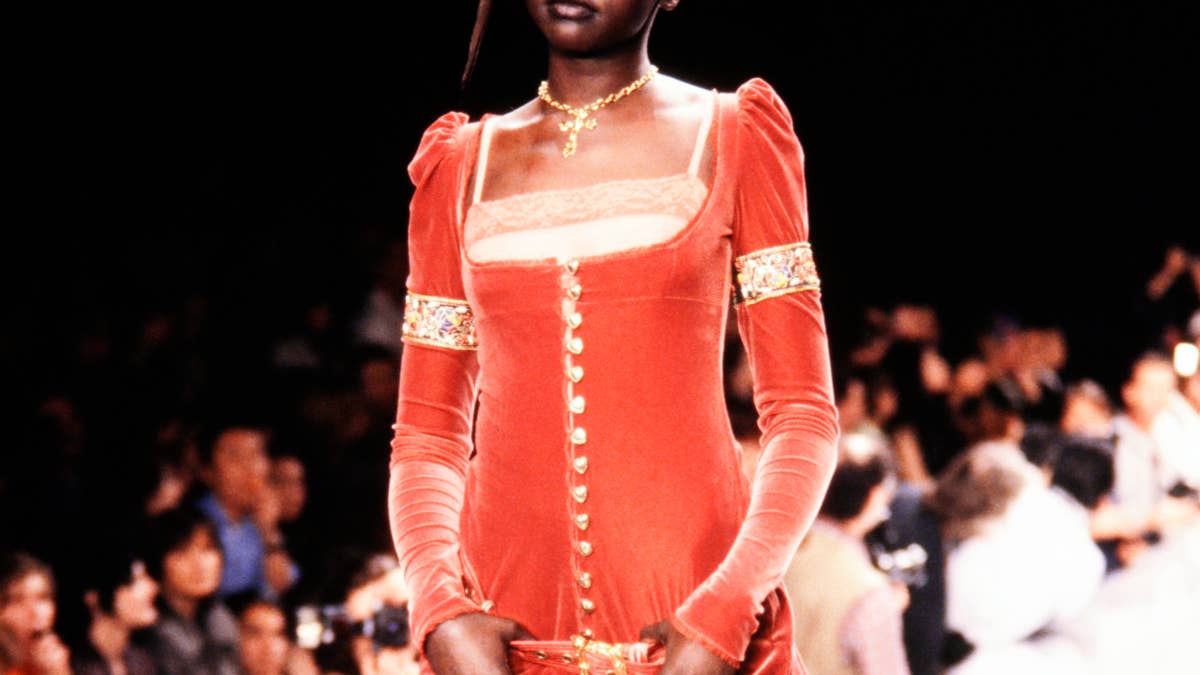
Photo: Thomas Iannaccone/Penske Media via Getty Images

Now, look forth, see (and shop!) our favorite medieval revival pieces of the moment.
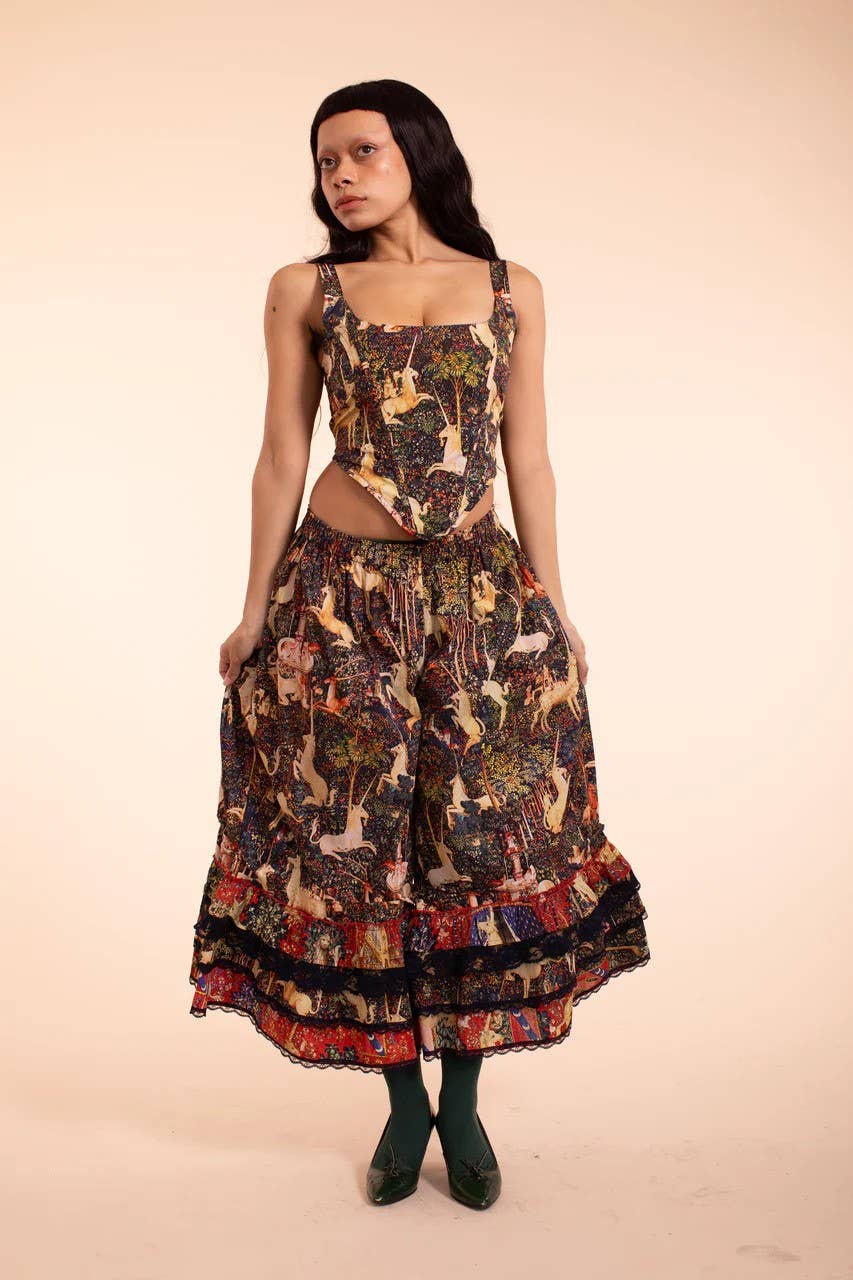
Samantha Pleet Muse Corset in Midnight Tapestry, $230, available here
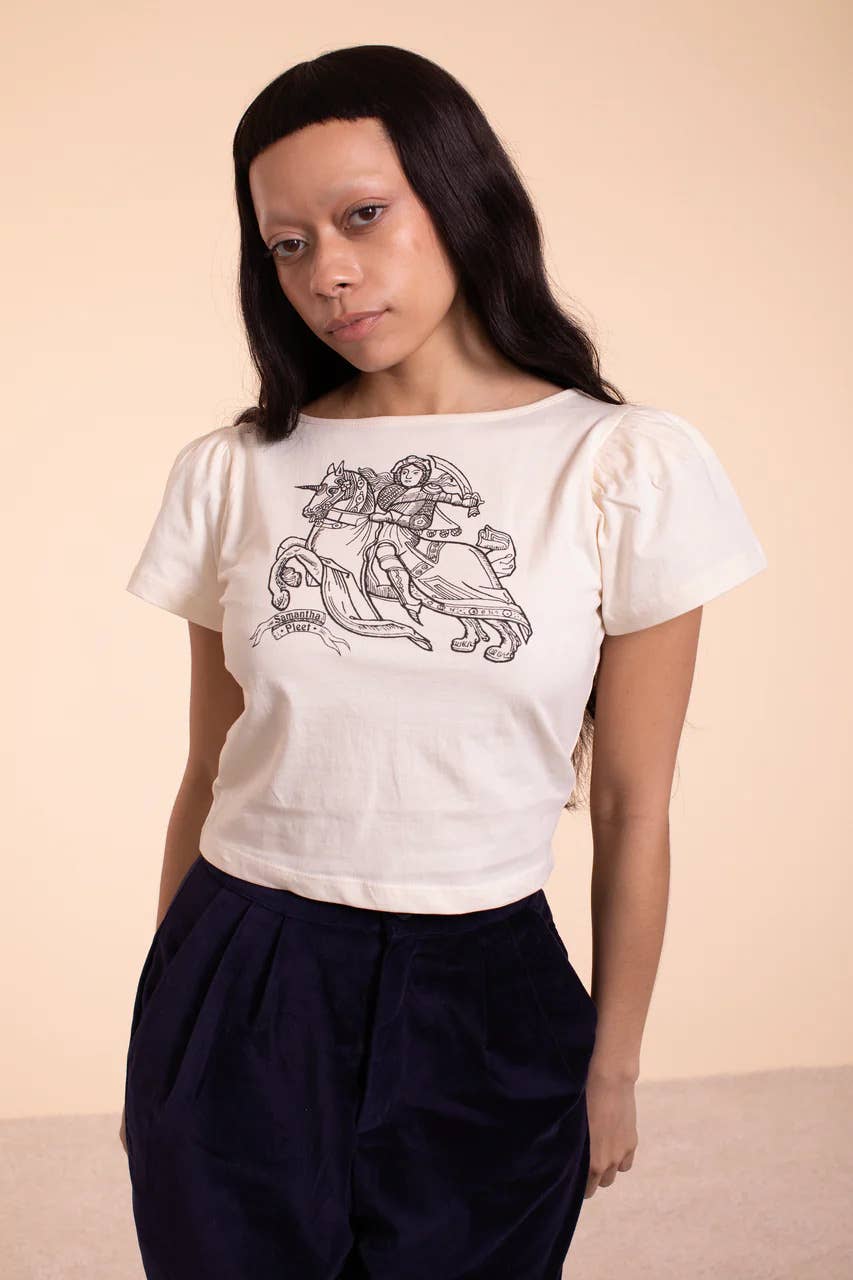
Samantha Pleet Joan of Arc Baby Tee, $90, available here
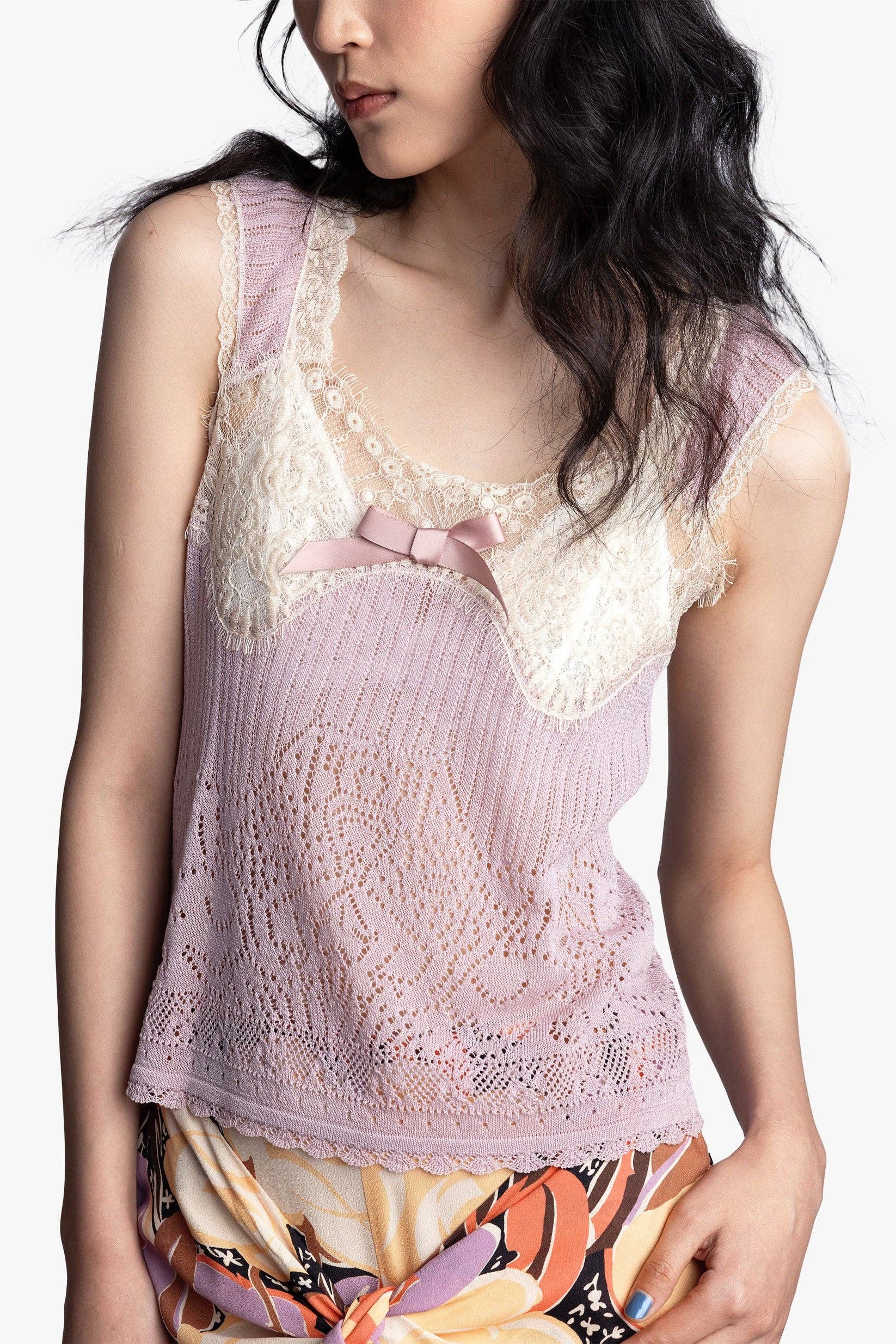
Anna Sui Lingerie Lace Knit Camisole in Blush, $250, available here
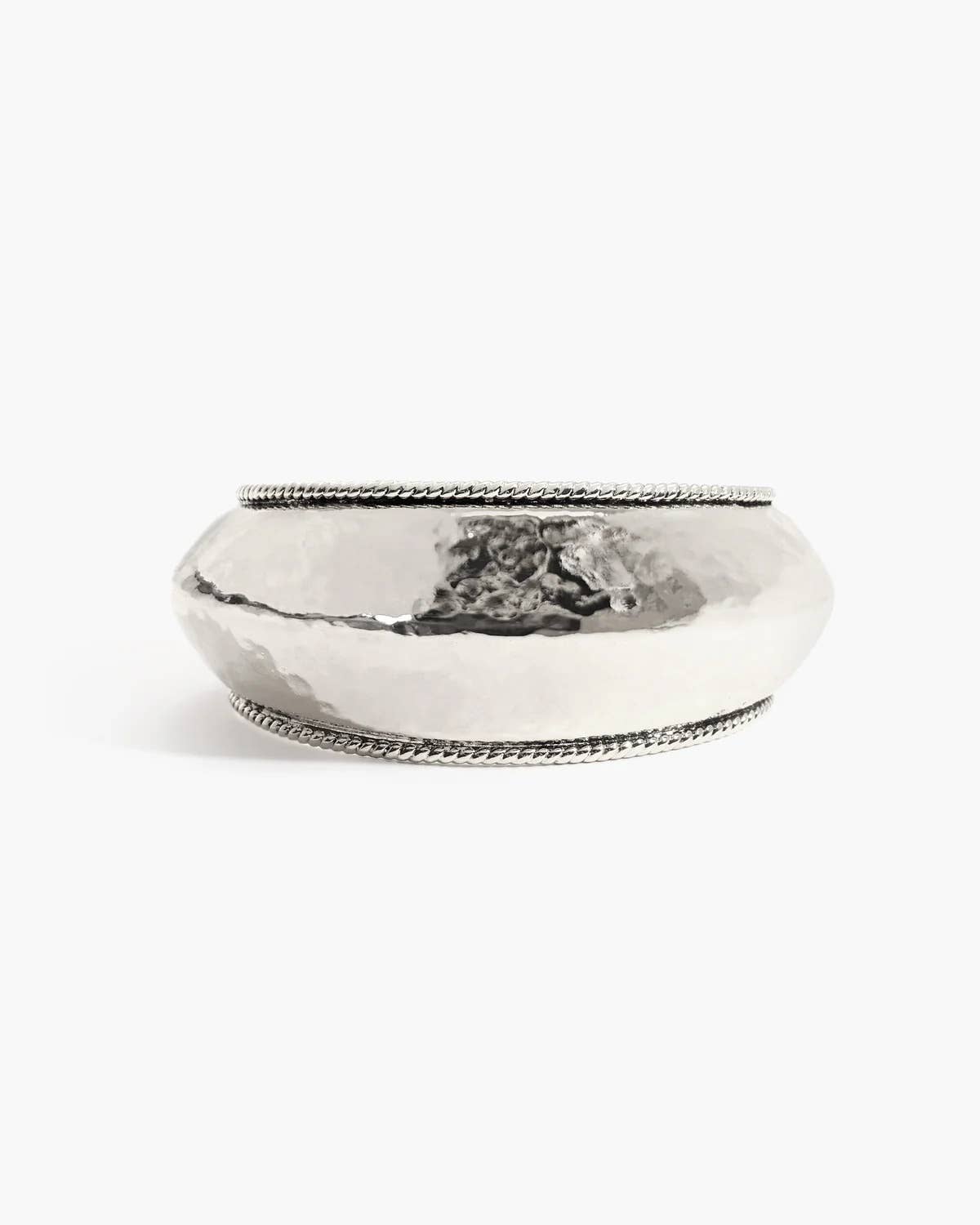

En Route Cordelia Dome Bangle, $52, available here
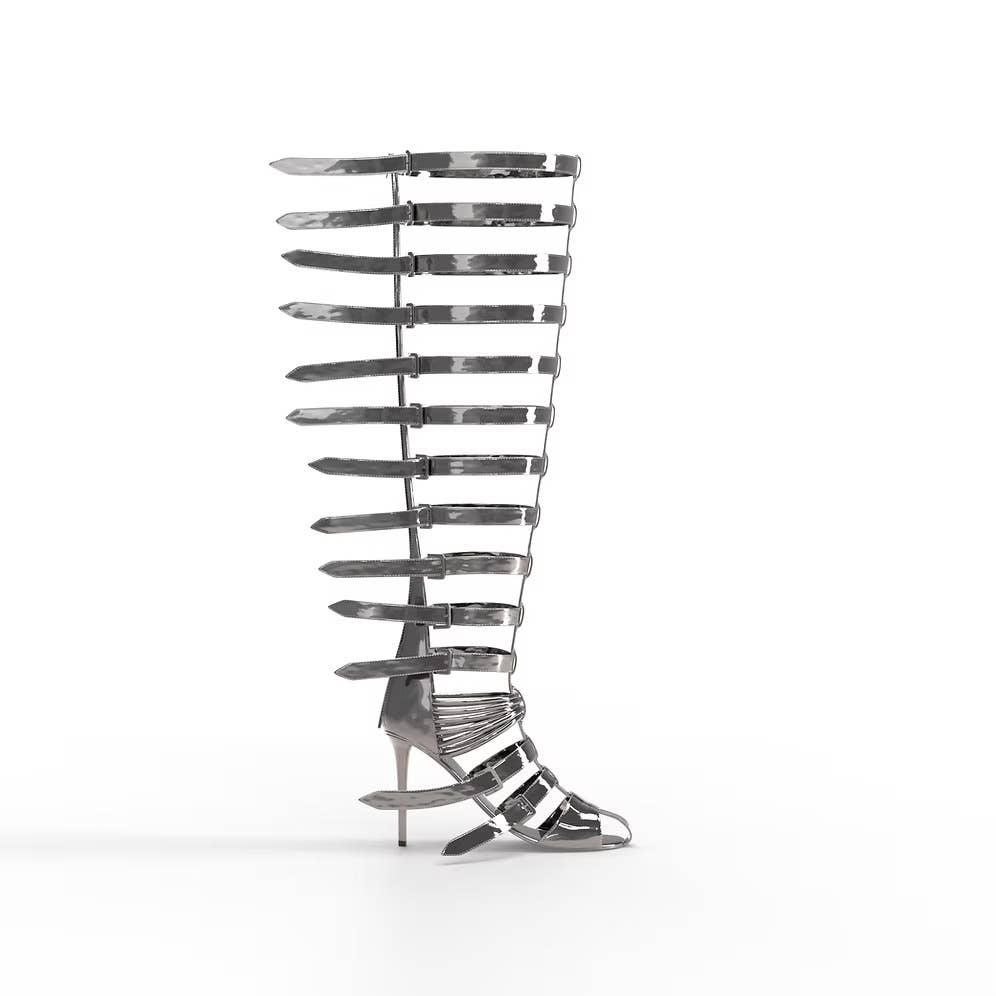

The Ekhator Label Sisi Heels, $380 $258, available here
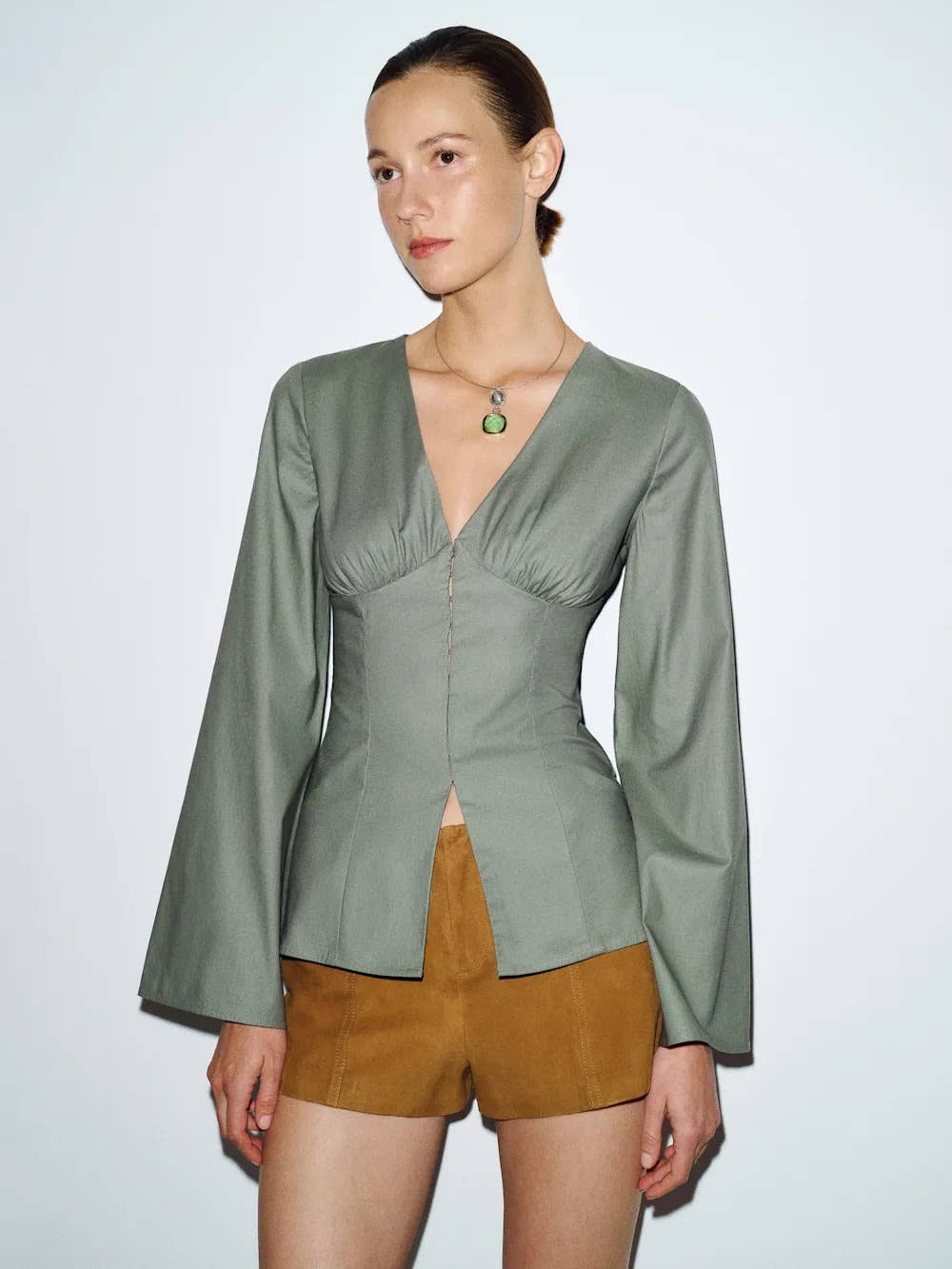

Reformation Palmira Top, $168, available here
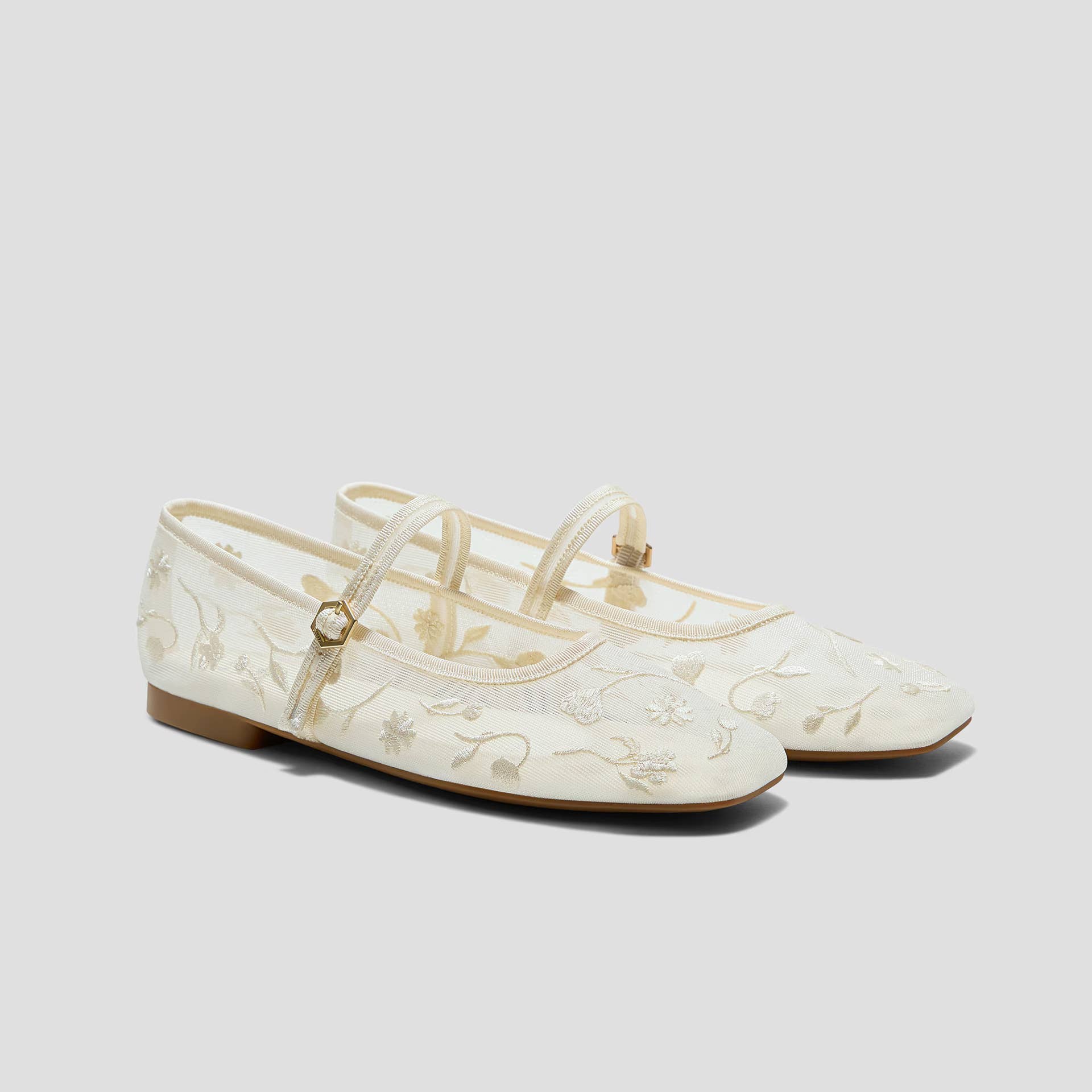
Vivaia Square-Toe Mary Janes (Margot Mary Jane), $149, available here
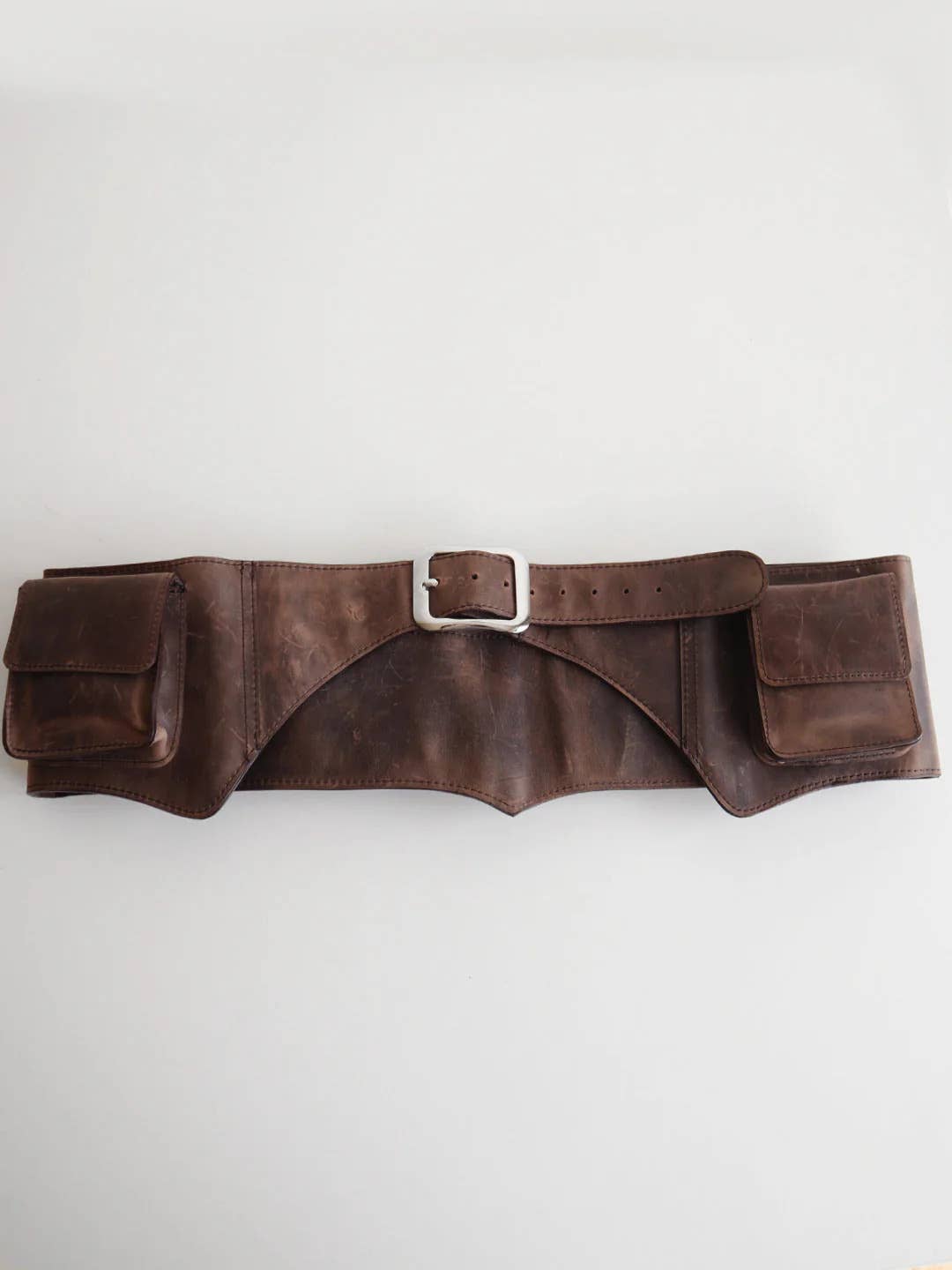
Parallel X Studio Leather Belt Bag Brown, $144, available here
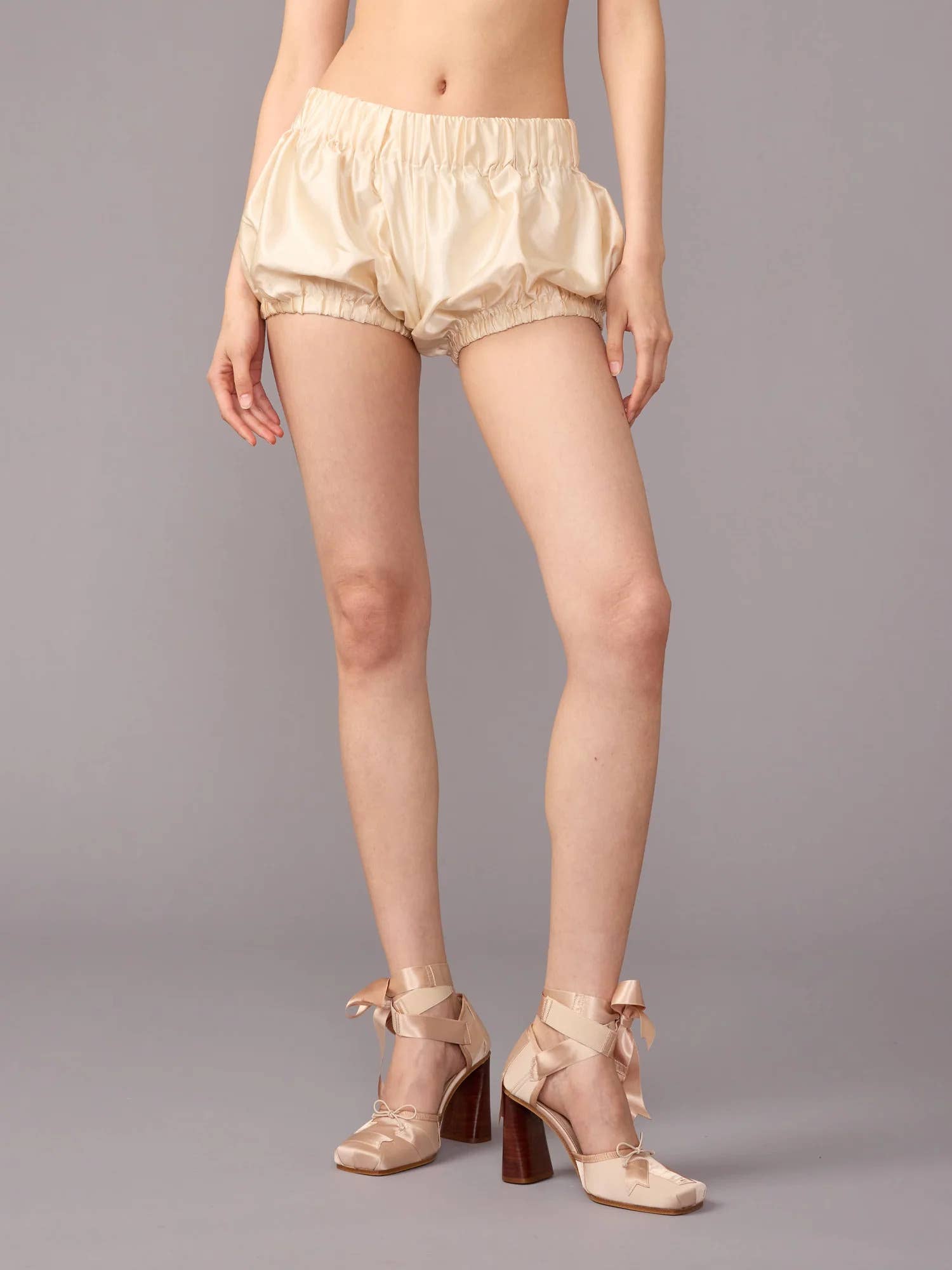
Madomorpho Cream Silk Bloomers, €230 ($263), available here
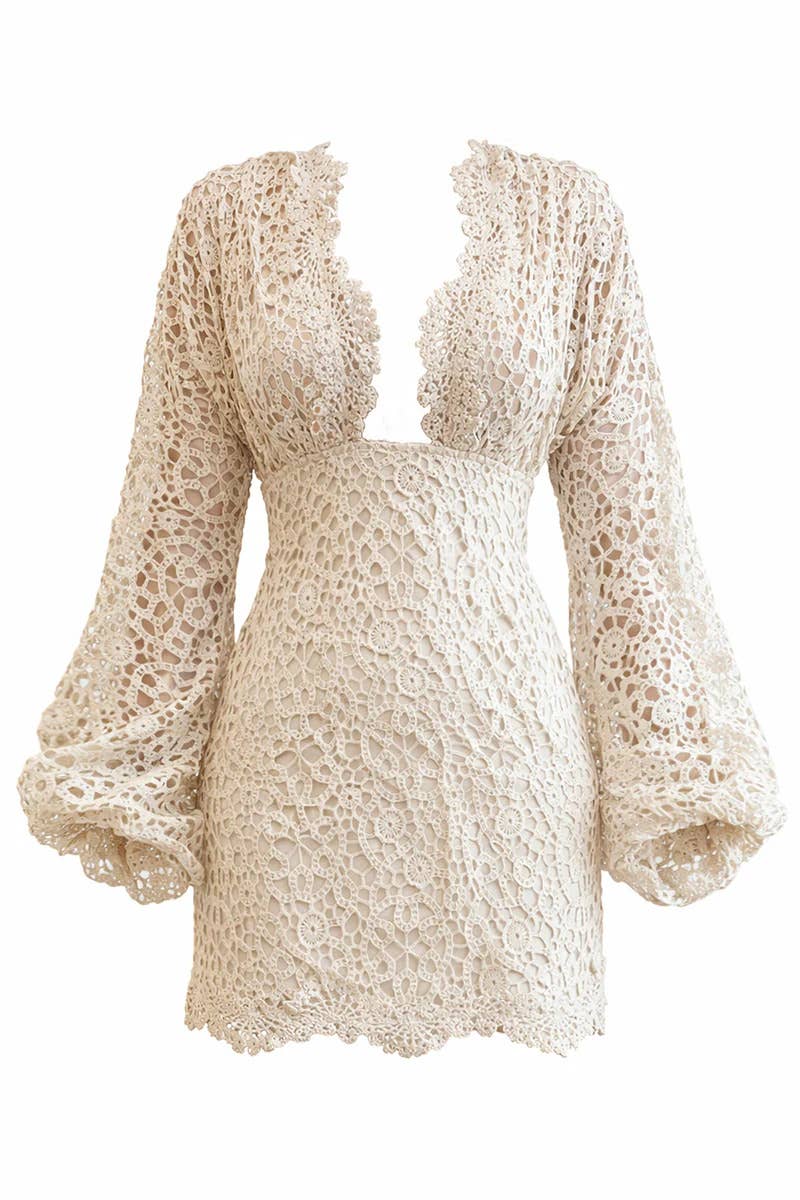
Andrea Iyamah Dani Mini Lace Dress Ivory, $380, available here
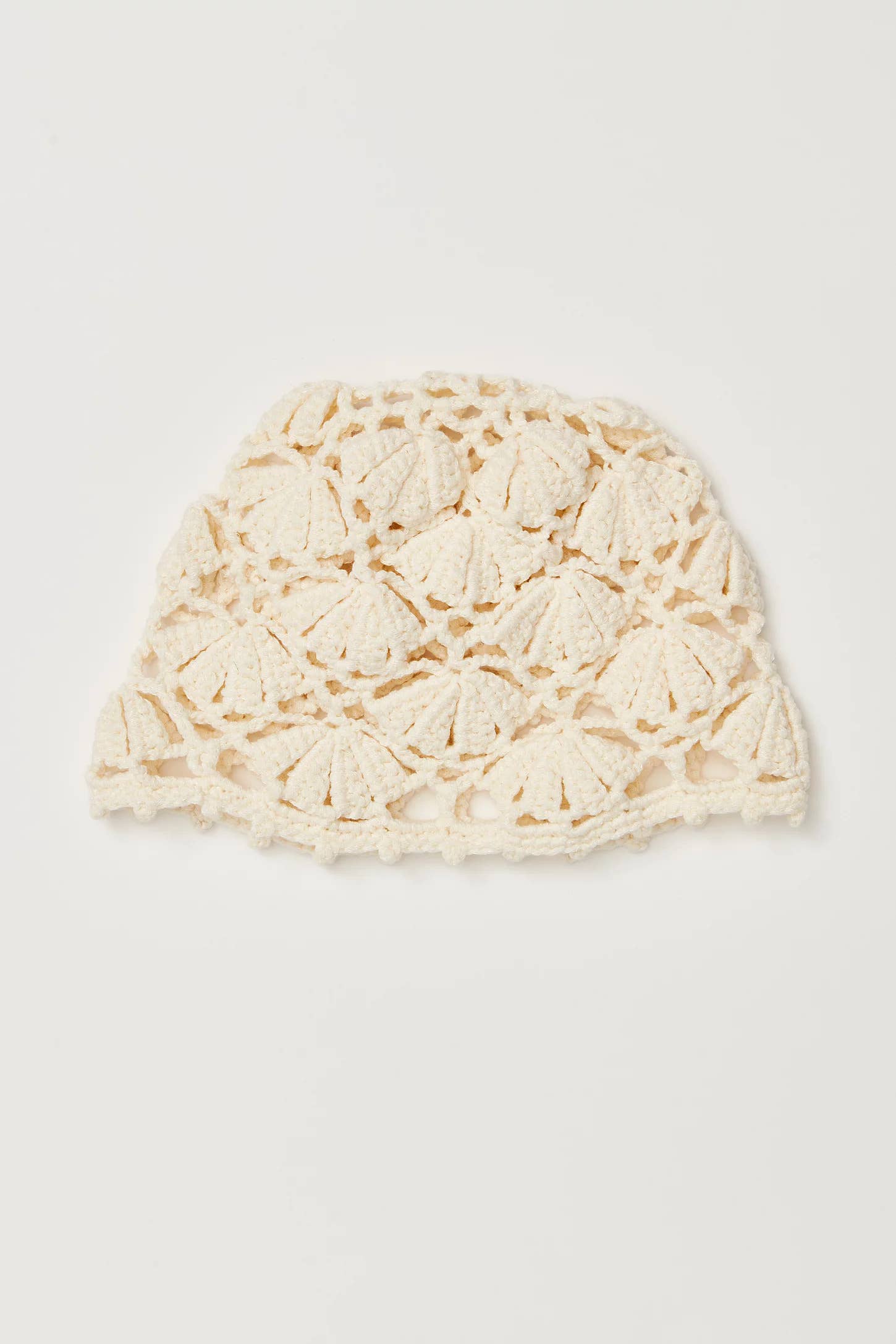
Free People Cora Crochet Knit Skull Cap, $30, available here
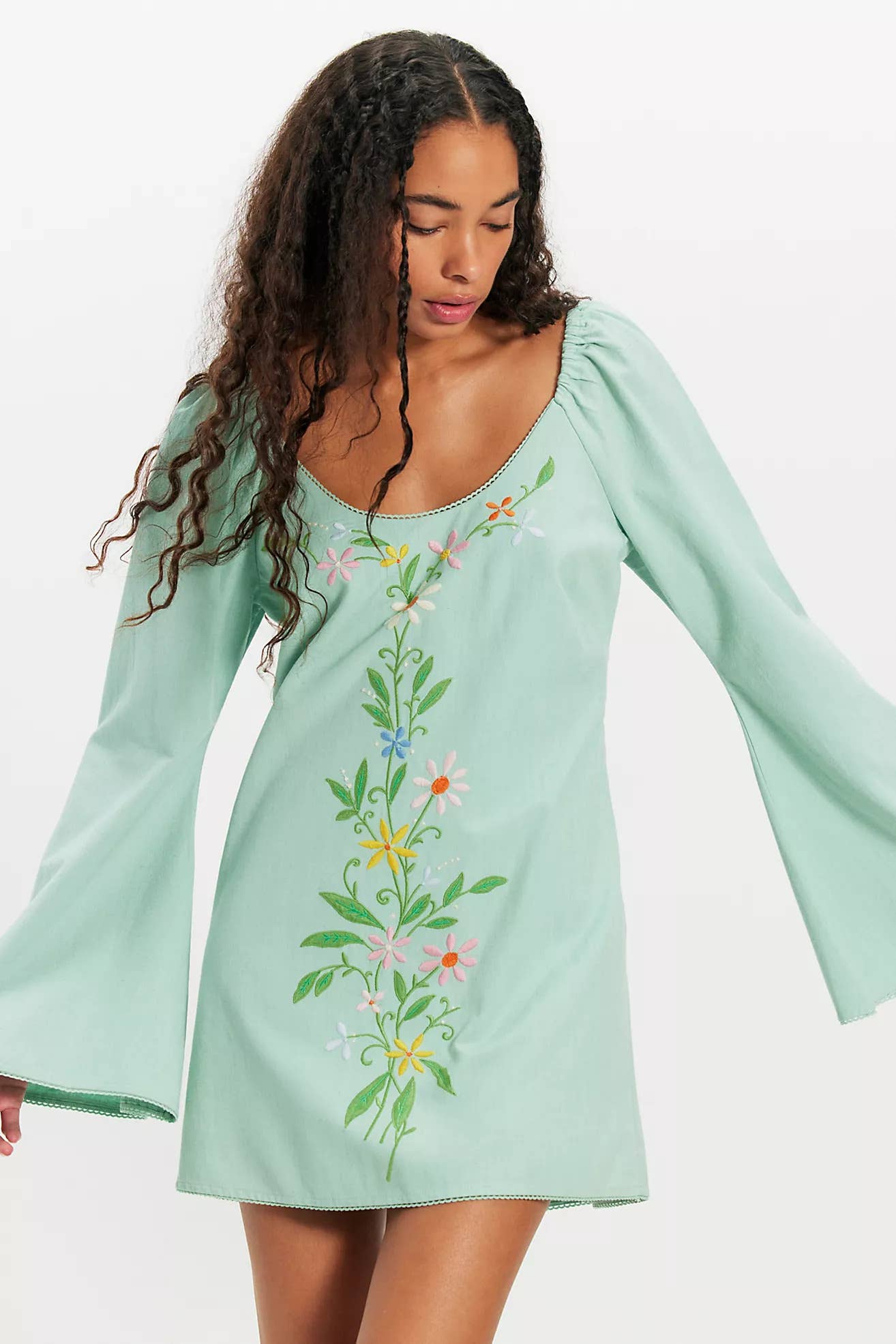
Free People Spring Fling Mini Dress, $168, available here
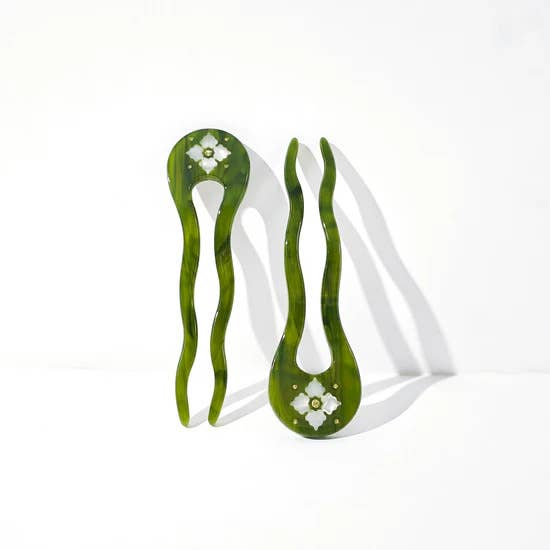
Hey Ricochet Illuminated French Pin, $28, available here
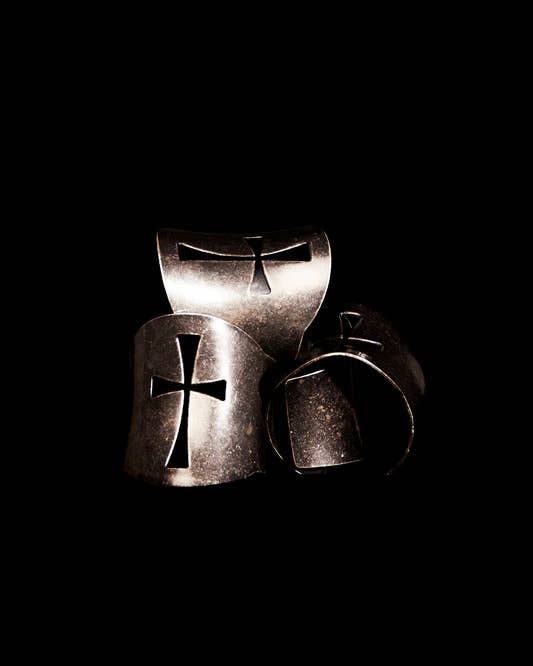
Joélle Bone Cross Cuff, $109, available here
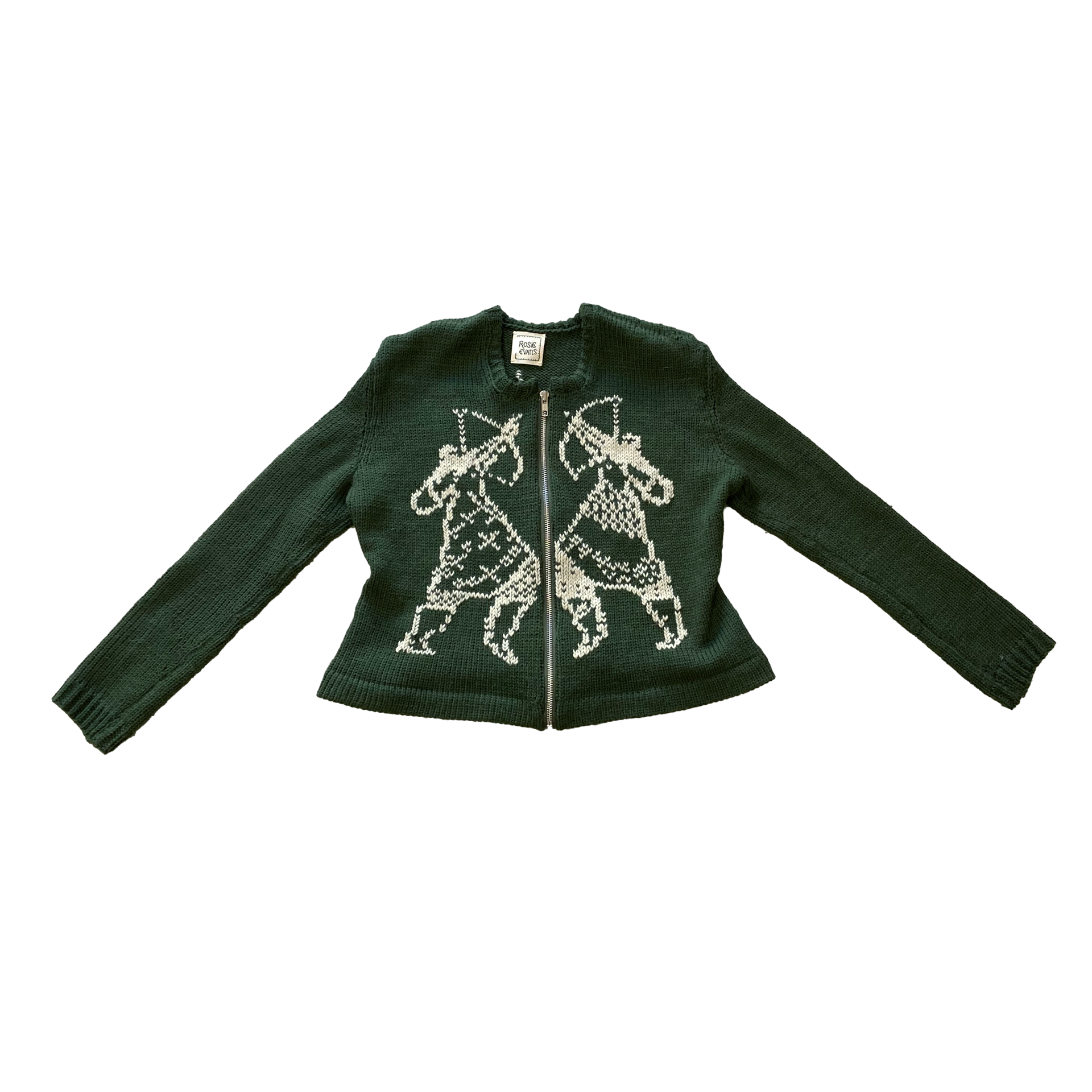
Rosie Evans Knight Cardigan, £300 ($396), available here
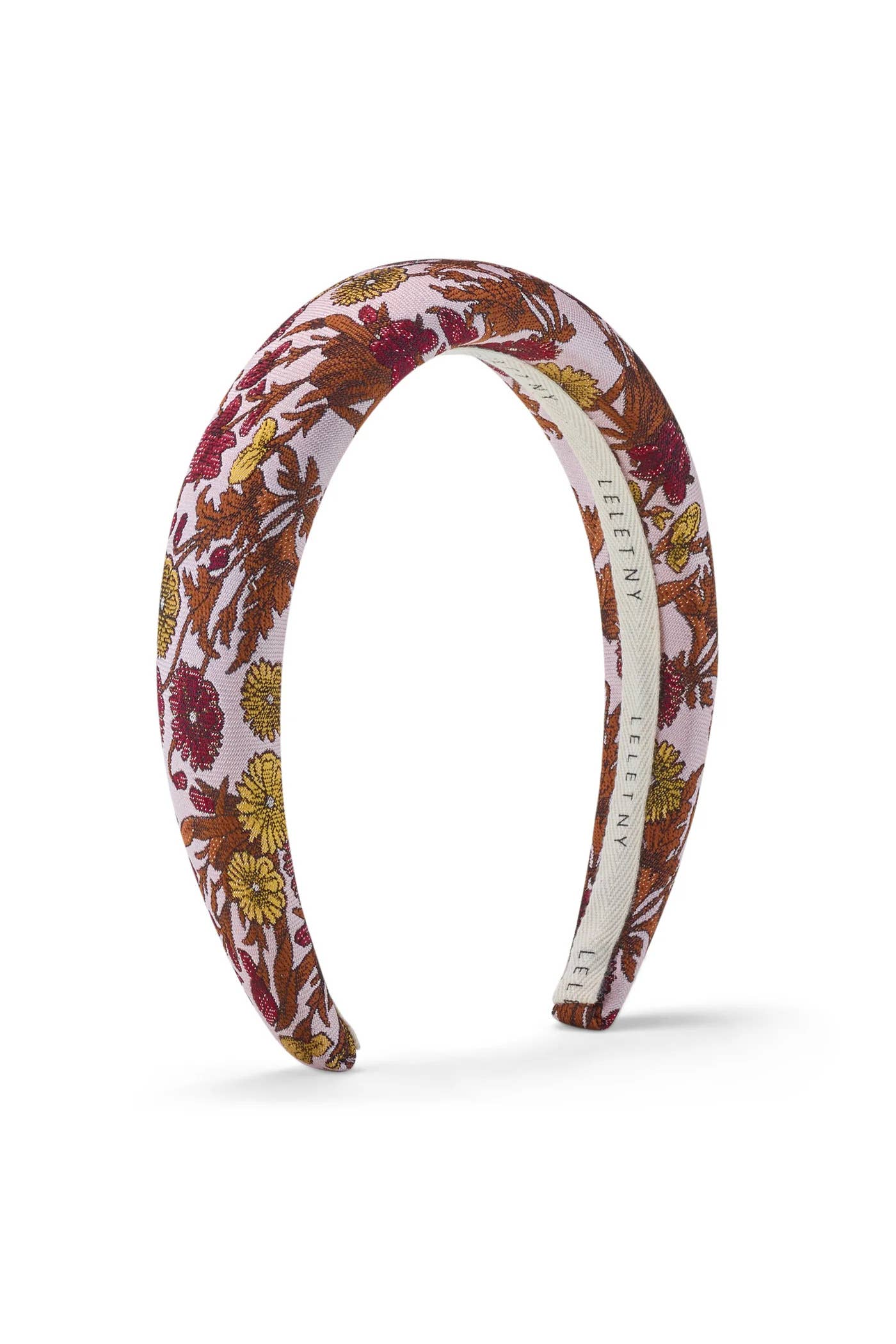
Lelet Dahlia Jacquard Padded Headband, $128, available here
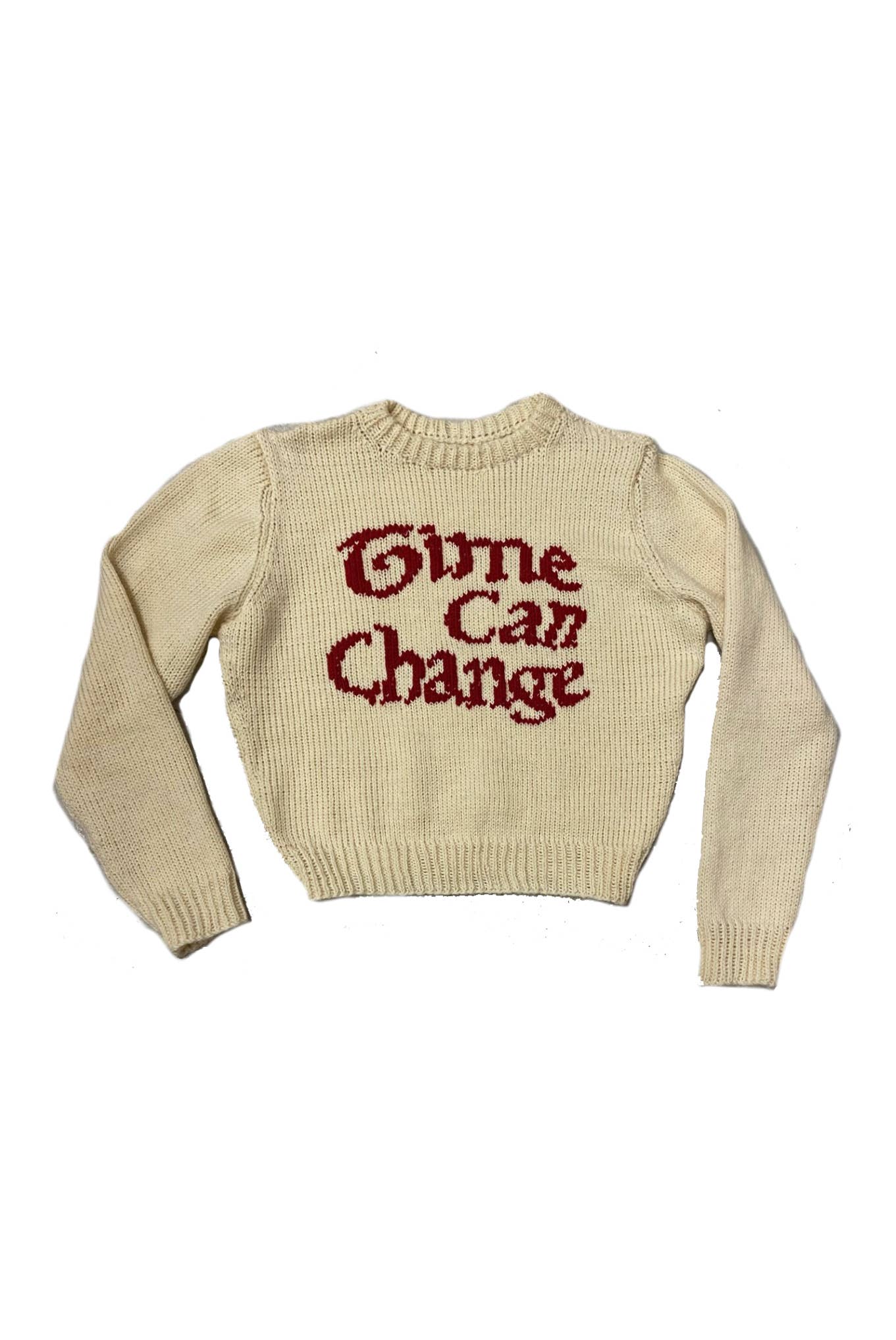

Rosie Evans Time Can Change Jumper, £350 ($462), available here


