



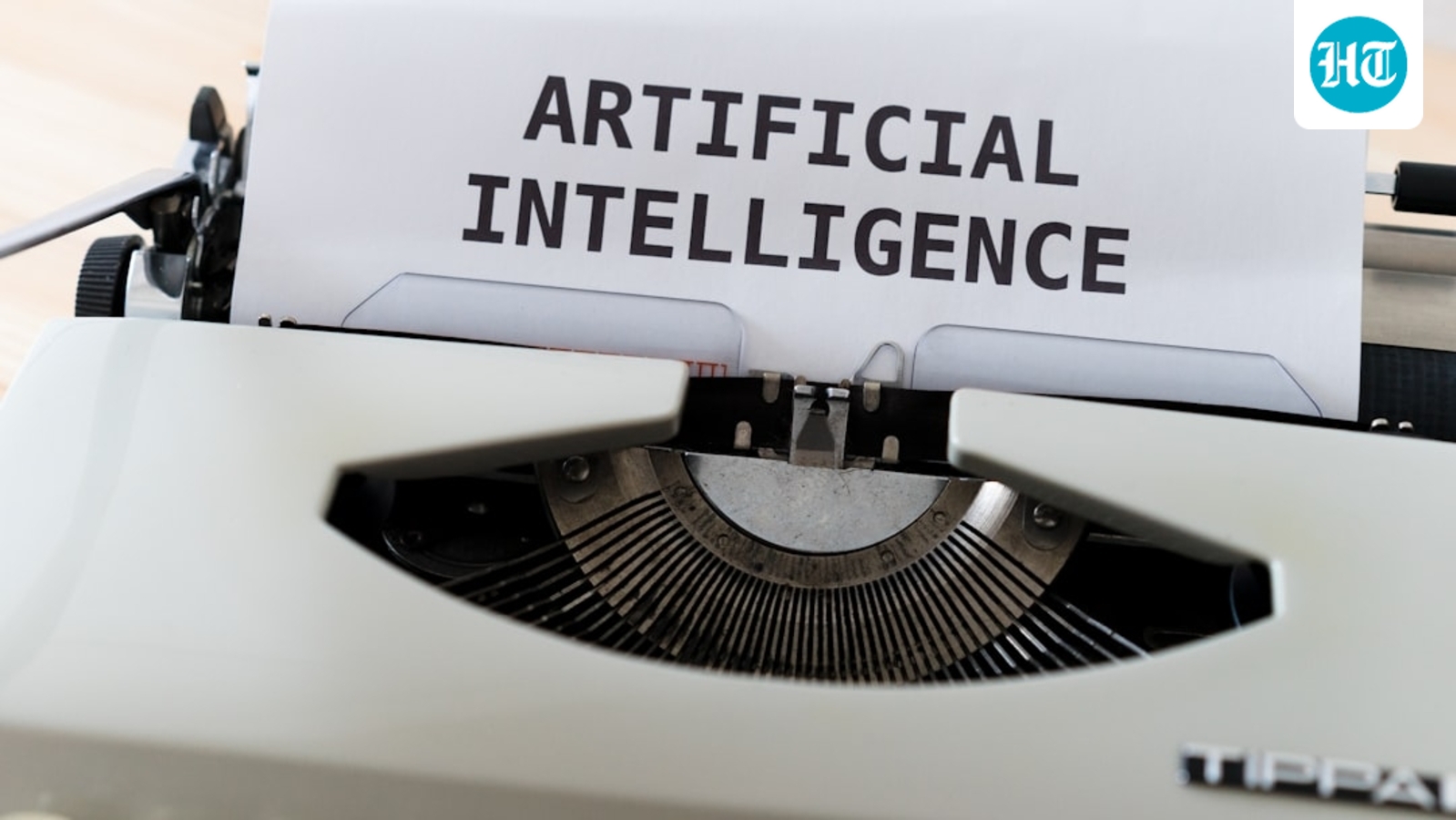
With the celebration of AI Appreciation Day in 2026, it’s clear that artificial intelligence (AI) is no longer confined to advanced laboratories or startups. It is a technology that is transforming daily life for billions, including students in classrooms. From chatbots that help parents with admissions queries to recommendation engines that curate learning content for children, AI’s presence in education is growing rapidly. Yet, I am convinced that we are only beginning to grasp the true importance of AI literacy, especially for the next generation of Indian students.
AI’s Expanding Role in Indian Schools
India, home to the world’s largest youth population, is witnessing a quiet revolution in education thanks to AI. According to a 2025 report by NITI Aayog, more than 60% of Indian schools now use AI-powered learning tools, a jaw-dropping leap that’s making personalised education more than just a dream. The National Education Policy (NEP) 2020, which is still being implemented across states, explicitly calls for the inclusion of coding and computational thinking, paving the way for AI literacy in the curriculum. As per the Coursera Global Skills Report 2025, India has recorded a 107 per cent year-on-year increase in enrolments for generative AI courses with 2.6 million, which is so far the highest in the world.
What every parent should know about CBSE’s three-language policy
Educational institutions across India are beginning to respond to the urgent need for AI literacy. The Ministry of Education has integrated artificial intelligence into school curricula nationwide through CBSE and NCERT, starting with students in grade 9, as part of the National Education Policy’s vision for future-ready learning. These efforts mark a significant shift in educational priorities, signaling that AI literacy is moving from a niche offering to an essential part of the curriculum for all students, regardless of their background. Yet, the journey has only just begun, and much work remains to ensure every learner is prepared for an AI-driven future.
AI for Every Learner
Contrary to the perception that AI is relevant only for urban students, its greatest promise lies in bridging India’s vast educational divides. Today, AI-driven educational platforms are opening doors for students from rural and remote districts, providing personalised learning pathways and ensuring access to high-quality educational resources that were once out of reach. Stories are emerging of children in the heartland navigating complex concepts in mathematics and science with the help of adaptive AI learning tools, proof that technology can be a powerful equaliser in the classroom.
Yet, as much as AI serves as a bridge, it can also deepen divides if not managed equitably. Many rural students still lack regular access to digital devices and reliable internet, highlighting a risk that the benefits of AI could bypass those who need them most. The spectre of an “AI divide” looms large unless government, industry, and civil society come together to democratise access and prioritise investment in digital infrastructure. Without such coordinated action, the promise of AI-powered education for all will remain unfulfilled.
Turning international education into career capital for Indian graduates
The Workforce Imperative
I witness daily the evolving expectations placed on students as they prepare for a fundamentally transformed job market. Today’s employers are no longer just seeking candidates with technical know-how, they are searching for graduates who can work alongside intelligent systems, interpret AI-generated insights, and exercise judgement in navigating ethical dilemmas. From healthcare to banking and education, the ability to question algorithms and understand the broader impact of AI is fast becoming a non-negotiable skill. AI literacy, therefore, is not merely about learning to code or mastering the latest platforms. It’s about equipping our young people to be critical thinkers, responsible users, and, ultimately, architects of a future where humans and machines collaborate for the greater good.
Ethics and Citizenship in an AI World
The rise of AI brings with it significant ethical and civic questions. Recent debates around the use and misuse of AI in student assessment have sparked national conversations about transparency, fairness, and accountability in education technology. Public trust in AI, both in India and globally, remains fragile. People are rightfully concerned about bias, privacy, and the potential for misuse. In this context, AI literacy must go beyond technical competence. Our students need to become thoughtful digital citizens, able to spot misinformation, challenge unfair or opaque algorithmic decisions, and participate meaningfully in debates about technology’s role in society. The latest updates to the CBSE curriculum, including modules on “AI Ethics and Society,” are a welcome and timely development in this direction.
From Writing Code to Supervising AI: Engineering enters a new era
A Call to Action for Indian Education
AI literacy is no longer a futuristic add-on; it is a core competency for the 21st century. There is an urgent need to integrate AI concepts into every classrooms, not just as technical skills, but as foundational elements of critical thinking, ethics, and citizenship. We must invest in teacher training, update curricula to keep pace with global standards, and ensure that technology access is truly universal. The future belongs to learners who are not just consumers of AI, but creators and critics, able to harness its potential and guard against its risks.
(This article is written by Naman Jain, Vice Chairman of Silverline Prestige School, Ghaziabad)


