



The story so far:
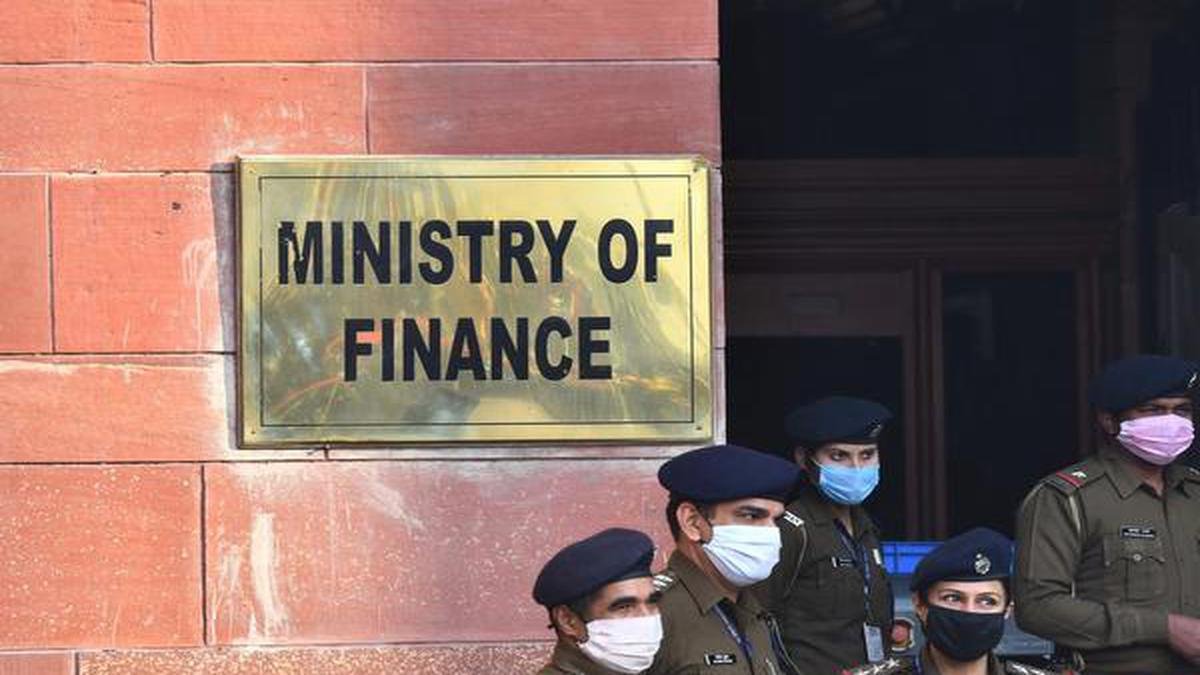
The Finance Ministry has now directed State-level and UT-level Bankers’ Committees to mandatorily include data on the percentage share of SC beneficiaries availing flagship Central schemes such as the Mudra Yojana, Stand Up India, Prime Minister’s Employment Generation Programme, MSME/business loans, and others. This direction comes after a nudge from the National Commission for Scheduled Castes flagged the fact that these bankers’ committees were not reporting this data for a number of these government schemes in their regular reviews, which was hindering the Commission’s ability to perform its Constitutional duties.
What are SLBCs/UTLBCs?
According to the Reserve Bank of India, the State Level Bankers’ Committees are the “apex inter-institutional forum to facilitate coordination in the efforts of the State Government, banks, financial institutions and other relevant stakeholders, for the development of the State”. In Union Territories, this is known as the UTLBC (Union Territory Level Bankers’ Committees). These committees are usually chaired by a Convener Bank that is notified by the RBI.
The Committees comprise the heads of relevant State government departments, the RBI Regional Director, State heads of commercial banks with a major presence in the concerned State, NABARD (National Bank for Agriculture and Rural Development), Regional Rural Banks, and the State co-operative bank. Apart from these members, RBI guidelines require that the committees invite representatives of institutions like the National Commissions for SCs and STs, the National Horticulture Board, farmers’ unions, and other stakeholders. These committees are mandated to meet every quarter.
The primary focus of the SLBS is supposed to be on “policy and strategic issues relating to the flow of priority sector credit and overall financial inclusion in the state”, as per the RBI guidelines governing the functioning of the committees.
What did the National Commission for Scheduled Castes notice in recent meetings of SLBCs/UTLBCs?
The National Commission for SCs has a Constitutional mandate to participate and advise on matters related to planning the socio-economic development of SC communities across the country. One of the ways that the National Commission performs this function is by attending meetings of SLBCs/UTLBCs, in addition to conducting regular reviews of public institutions that SC communities interact with.
According to a letter written to the Union Finance Ministry’s Department of Financial Services, the National Commission for Scheduled Castes noted that one hurdle in performing its review function at SLBCs and UTLBCs was the absence of data on the share of SC beneficiaries for several Union government schemes that are meant to provide subsidised business loans, generate employment, and formalise street vending business in the country, among others.
NCSC Secretary, Vivek K. Dewangan, said in his September 24 letter to the DFS that the SLBC convener banks were not reflecting this data, based on observations made by State representatives of the Commission who have been attending the meetings of these bankers’ committees across States and UTs. The NCSC asked the DFS to issue necessary directions to the committees to report this data mandatorily and for this data to be relayed to the Commission.
The schemes flagged by the NCSC for specific scheme-wise and bank-wise data on SC beneficiaries included the Pradhan Mantri Mudra Yojana, Stand-Up India entrepreneurship loan scheme, Prime Minister’s Employment Generation Programme, PM SVANidhi (PM Street Vendors’ Atma Nirbhar Nidhi), Credit Guarantee Fund Trust for Micro and Small Enterprises, and MSME Business Loans, among others.
Why does the NCSC need data on SC beneficiaries for these schemes?
Government officials explained that a major function of the Commission at the SLBC and UTLBC review meetings is to evaluate the level of financial inclusion of SC families. This requires them to gather data on the number and share of SC beneficiaries across schemes and banks, they said. “The purpose is to determine whether the share of SC beneficiaries for each scheme roughly matches the share of these communities in the respective population of the States or UTs,” one official said, elaborating further, “For example, if a State has roughly 10% SC population, we would expect that the share of SC beneficiaries in schemes would be as close to this as practically possible.”
What have the SLBCs/UTLBCs been told to do to address this issue?
In response to the issue flagged by the NCSC, the Department of Financial Services has written an advisory to all SLBCs/UTLBCs on October 5, asking them to ensure that data on both the number and share of SC beneficiaries – both scheme-wise and bank-wise is included in the review reports. The DFS has noted that this data should also be shared with the NCSC regularly, further giving the committees time till October 9 to raise any issue they may have with the availability of such data on SC beneficiaries.
Published – October 08, 2026 10:35 am IST
