


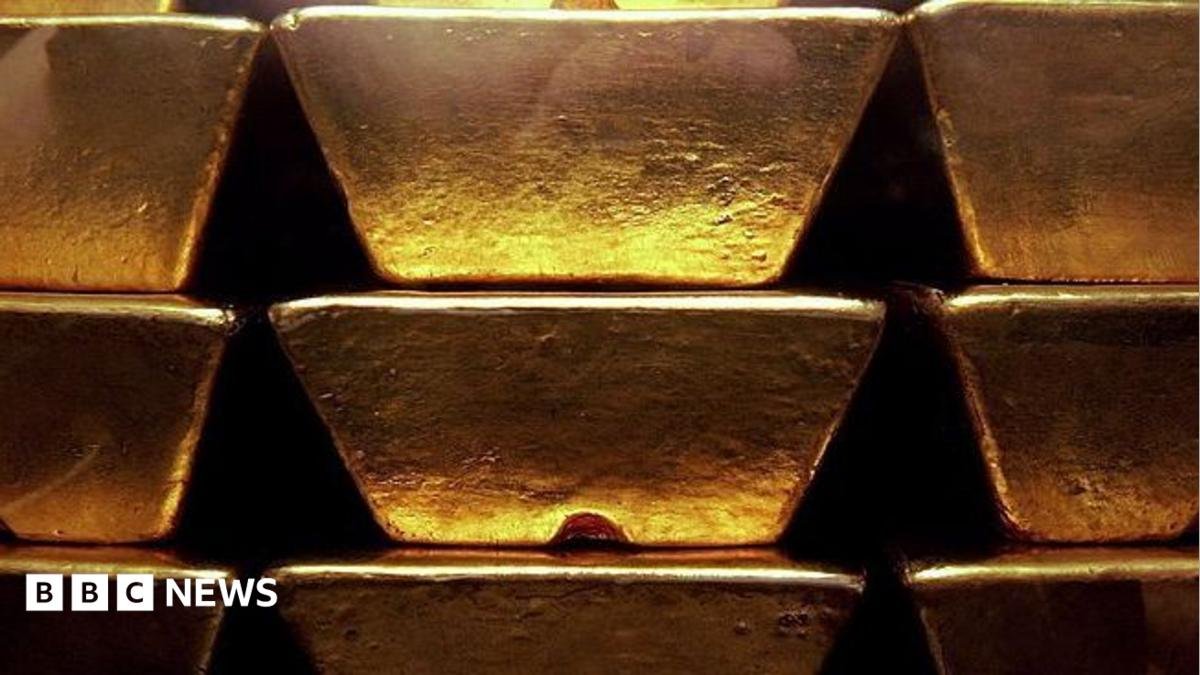
When the central bank of the Netherlands confirmed this week that it had moved tonnes of the country’s gold out of North America, it said the relocation would make it “better prepared for severe crises”.
Some 86 tonnes from the combined total of about 313 tonnes held in the US and Canada were relocated to London “in view of increasing geopolitical unrest”, it said, so the shiny stuff could be “readily available for use in a crisis situation”.
Questions were bound to follow. Why were the Dutch doing this? Were they anticipating some major economic shock on the horizon?
It seems not, but the move was clearly in response to the unstable and uncertain state the world finds itself in, with trade and military wars prompting countries to take precautions and hold their gold closer to home.
Earlier this year, France announced it had removed its gold reserves from the US to home shores. Meanwhile, Germany’s Bundesbank transferred more than 216 tonnes of the metal from storage locations abroad – 111 tonnes from New York and 105 tonnes from Paris – over a few years ending in 2016., external
It is a strategy which has played out before in times of global instability. “Some European central banks moved part of their gold holdings to New York during the Cold War,” said research analysts Lina Thomas and Daan Struyven of Goldman Sachs.
Joseph Cavatoni, senior market strategist at the World Gold Council, told the BBC while wars and trade tensions were “playing into some of these decisions”, it didn’t “top the list” of motivating factors.
Inflation, interest rates and just having gold in a place where it can be traded quickly also played a role.
“I don’t get a sense that there’s an impending doom,” Cavatoni said, “but what I do think is people are being better educated around how to manage their reserve assets, growing their reserve assets, and actually thinking more effectively around how to make the most of those assets.”
De Nederlandsche Bank said the gold removed from the US and Canada between March and August this year was now being held in the vaults of the Bank of England.
“We expect that we will never need to use them, but we do need to strengthen our resilience and preparedness,” said the governor of the Dutch central bank, Olaf Sleijpen.
London was seen as the best choice due its position in the world as a major trading centre. If you want to be able to buy or sell gold fast in a crisis, London is the place to be, which makes the Bank of England a popular storage spot.
