


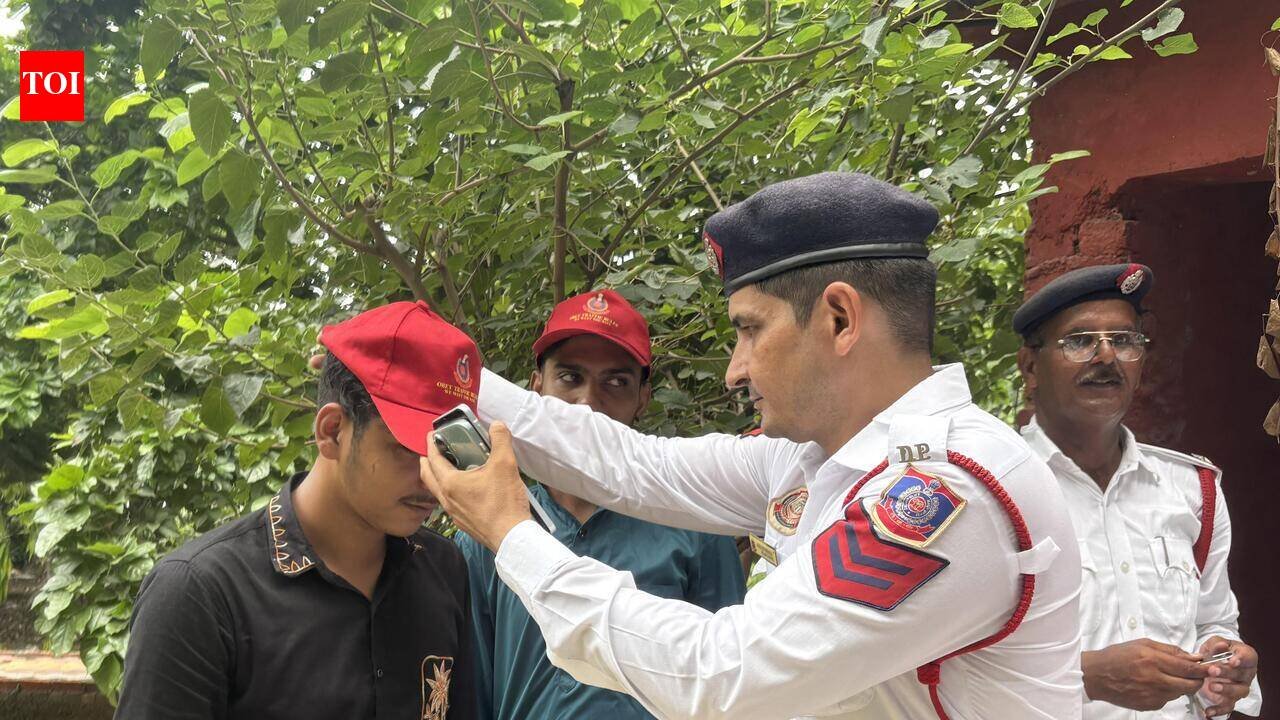
New Delhi: On Saturday, in the blistering afternoon heat at Delhi Gate in central Delhi, motorists expecting a routine traffic check instead found themselves in an open-air classroom. Along with reaching for challan books, traffic police officers asked them to picture the people waiting for them at home. The question was: “Is saving a few seconds on the road worth putting your family through a lifetime of grief?”The interaction was part of Delhi Traffic Police’s ‘Traffic ki Paathshala’, an initiative aimed at changing road behaviour through conversation instead of punishment alone. Officers spoke to commuters about the consequences of everyday violations — riding without a helmet, jumping a traffic signal, crossing the stop line and driving on the wrong side — using relatable, real-life scenarios to drive home the message.Among those in attendance was 23-year-old Salim, an e-rickshaw driver who ferries schoolchildren every day, who had irregularities in his vehicle registration. He said the session made him reflect on the responsibility he carries. “I transport children every day, so their safety depends on me. This reminded me that every decision I make on the road matters, and so, I will follow traffic rules going forward,” he said.The officers related stories of people who had a near-death experience and highlighted the number of fatal accidents reported in Delhi-NCR to shed light on the importance of wearing a helmet. Mohammad Ashim, 27, who was riding pillion without a helmet while travelling to Safdarjung Hospital to visit a relative, said he would not repeat the mistake. “We had come from UP and only had one helmet with us. I now understand the risk we took. The first thing we’ll do is buy another helmet,” he said.Alongside counselling violators, the officers also recognised commuters who were following the rules. Those wearing helmets, obeying traffic signals and carrying valid documents were rewarded with DTP caps, badges and stationery.“Enforcement through challans will continue, but education is just as important. We also wanted to recognise people who are following the rules because positive reinforcement can inspire others to do the same,” said DCP (Traffic) Nishant Gupta.Many recipients would take the memorabilia home, where children would see traffic rules being associated with appreciation rather than punishment, helping cultivate safer habits from a young age, he added.Similar programmes were held at Mayapuri Chowk and INA. Police said ‘Traffic ki Paathshala’ has been running for over a month across the city, with sessions also being organised in schools, RWAs and market welfare associations to encourage people of all ages to see road safety as a shared responsibility rather than just a legal obligation.
