


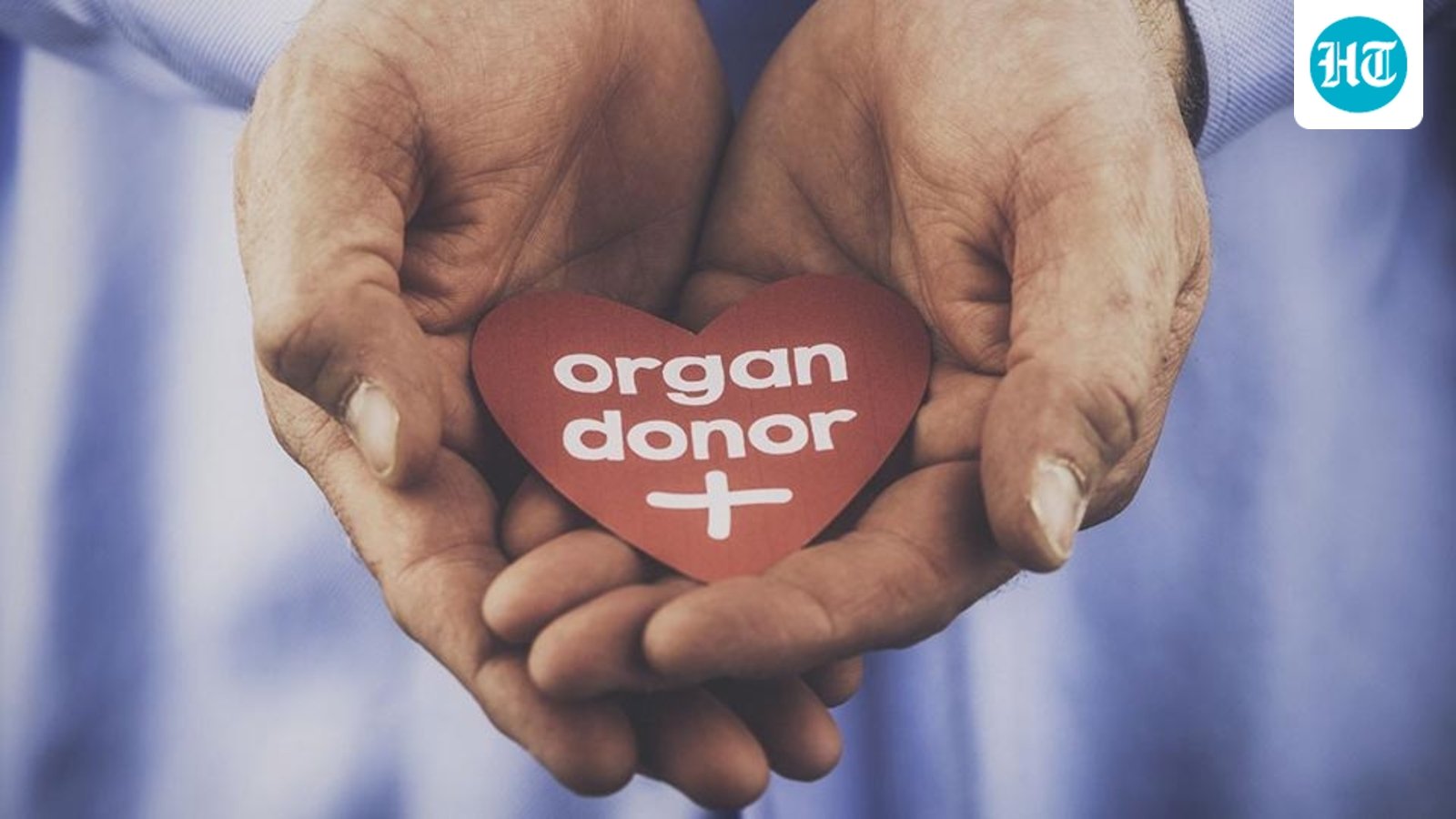
Organ donation sits at the intersection of science, ethics, and public trust. Progress in transplantation has delivered life-changing outcomes, like more organs being transplanted today than a few years ago, yet the unmet need remains enormous. One of the most harmful beliefs is that doctors will not try as hard to save you if they know you are a registered donor. In reality, medical teams treating life-threatening injuries or illnesses have only one priority: saving the patient’s life.
“Trusted health organizations and transplant programs make this clear because mixing those roles would be unsafe and illegal,” Dr Vaibhaw Kumar, Director – LIVER TRANSPLANT & GI SURGERY, Paras Health Gurugram, tells Health Shots.
What are myths and what’s true?
Another common misconception is that age, chronic disease, or lifestyle automatically rules someone out. There is no universal age cut-off for being an organ donor. Suitability is assessed on a case-by-case basis. Many older adults and people with treated chronic conditions have successfully donated tissues or even organs after death. Similarly, living donation (commonly a kidney or part of the liver) is open to healthy adults who meet medical and psychological screening criteria; the guiding principle is whether the donation is safe.
The real scale of supply and demand
Global reporting shows a steady increase in the number of transplants, reflecting improved systems, greater awareness, and increased surgical capacity, but demand still far outstrips supply by many multiples. Latest data indicate an upward trend in solid organ transplants year-on-year. Yet, the number of people waiting remains substantial. For context, the Global Observatory reported notable growth in transplants in recent years while underscoring how far many countries are from meeting needs through deceased donation.
In India, progress is visible but fragile, as official tallies and recent government briefings show record transplant numbers in 2024. Yet, the per-million donation rate remains low, and thousands still wait for kidneys, livers, and corneas. Improving infrastructure, rapid family counseling after sudden deaths, and public education are repeatedly highlighted as priorities for closing the gap.
Who can be an organ donor: Simple, practical answers
Anyone can register the intent to be an organ donor, and, in many systems, there is no strict upper age limit for deceased donation; suitability is evaluated at the time of death. For living donors, the medical standard is health and safety. A healthy adult can donate one kidney and still live a normal life; a portion of a healthy liver can also be given and regenerate for both donor and recipient. Specialist clinicians perform thorough medical and psychological assessments to protect donors. Each hospital and transplant center follows protocols to determine what can be used safely.
How to act on facts?
If you want to help, the most effective steps are straightforward. Register your choice with the appropriate national registry, have a clear conversation with family members so your wishes are known, and carry documentation where required. Donor registration increases the chance that your intent will be honored, and family consent processes are smoother when relatives are not left to guess. Finally, judge information from trusted sources, such as national transplant organizations, professional medical bodies, and internationally recognized health agencies, because anecdotes and social media posts often repeat myths.
Organ donation is both a personal decision and a public good. When people choose to learn the facts rather than accept myths, more lives can be saved. The medical community’s standards are rigorous; the possibilities for helping another human being are real.
(Disclaimer: This article is for informational purposes only and is not a substitute for professional medical advice. Always seek the advice of your doctor with any questions about a medical condition.)
