


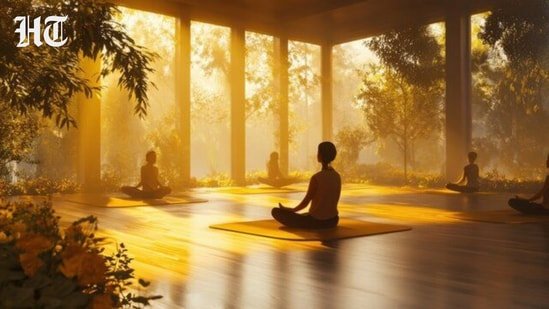
Meditation is the best practise that heals anxiety and stress, and is often known as one of the first practices that comes up. From guided sessions on smartphone apps to breathing exercises shared on social media, there is no shortage of techniques promising a sense of calm. But with so many options available, it is natural to wonder whether one meditation style stands above the rest.
Experts say there is no universal answer. Different people respond to different techniques, and what feels helpful for one person may not work as well for another. Still, mindfulness meditation is often recommended as a starting point. According to Mayo Clinic, mindfulness meditation is a practice that involves paying attention to the present moment without judgment. Instead of trying to block out anxious thoughts, people are encouraged to notice them and gently return their attention to the present.
Why is mindfulness meditation good for stress?
One of the reasons mindfulness meditation is so widely recommended is because it can fit easily into everyday life. There are no special tools required, and sessions can be as short as a few minutes. According to an article by the Cleveland Clinic, meditation may help lower stress levels and support overall emotional well-being when practiced regularly. While it is not a cure for anxiety, many people find that it helps them become more aware of their thoughts and less reactive to them.
Also Read Why mindfulness meditation is becoming a daily habit for working professionals
That doesn’t mean mindfulness is the only option. Some people respond better to body scan meditation, which involves slowly bringing awareness to different parts of the body and noticing areas of tension. Others prefer breath-focused meditation, where attention is placed on slow, steady breathing. Guided meditation is another popular choice, especially for beginners who appreciate having someone walk them through the process. The key, experts say, is not finding a “perfect” technique but finding one that feels manageable enough to practice consistently.
The best meditation is often the one you’ll stick with
For anyone new to meditation, it can be tempting to look for the method that promises the fastest results. But experts suggest taking a different approach. Meditation is a skill that develops over time, much like exercise. Some days it may feel easy, while on other days your mind may seem especially busy. That doesn’t mean you’re doing it wrong.
In the end, the best meditation technique for anxiety may simply be the one that fits naturally into your routine and helps you create a few moments of calm each day. Whether that’s mindfulness meditation, breathwork, a body scan, or guided practice, consistency matters more than perfection. Over time, those small moments of awareness can add up, helping you respond to stress with a little more patience and a little less overwhelm.
Disclaimer: This article is for informational purposes only. Reader’s discretion is advised.
