


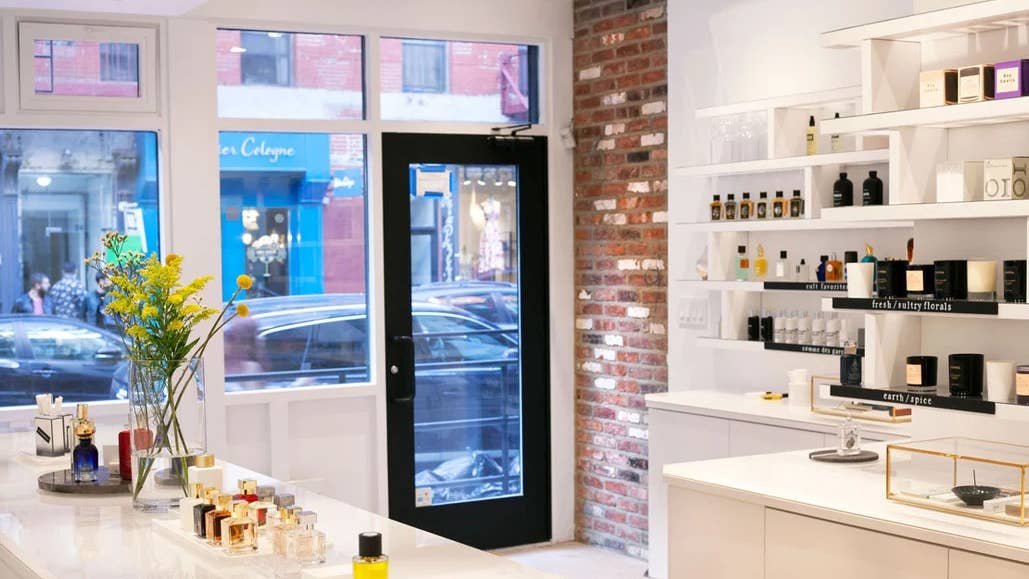
Entering Printemps New York’s beauty floor feels like stepping into a sophisticated Candy Land where, instead of mouthwatering confections, you find jewel-like perfume bottles at every turn. You get the sense you’re about to uncover a hidden treasure the moment you lay eyes on the expansive marble table scattered with statuesque flacons. This is the centerpiece of the fragrance area, and you won’t find a single mainstream perfume bottle on that counter — the more well-known brands are waiting in the wings against a gorgeous, green-tiled wall.
Printemps’ perfume setup is vastly different from those inside other retailers like Nordstrom, Bloomingdale’s and even Sephora. Mass-marketed designer scents have long been the bread and butter of department stores’ fragrance offerings. But those established perfumes simply aren’t cutting it for today’s diehard fragrance consumers.
The perfume boom, which really took off during the Covid-19 pandemic, completely transformed how we experience fragrance. Perfume became a key element of self expression, Asia Grant, fragrance creator, consultant and founder of Scent Social Club tells Fashionista: “As people go through the process of exploring themselves and understanding their own nuances, they often crave a perfume that can do that alongside them.”
Photo: Courtesy of Scent Bar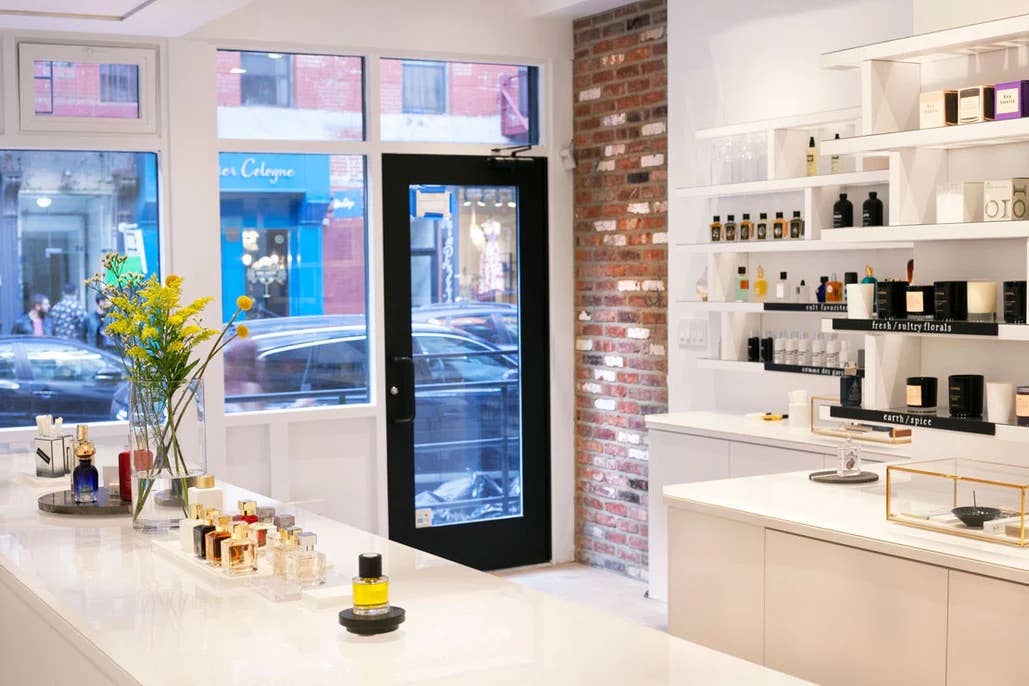
This has led to a rise in independent perfume brands, which fragrance enthusiasts find “offer more soul and storytelling,” notes Grant. Now, more than ever, shoppers are turning their noses up at mainstream scents, and actively seeking out indie options. According to a report by Business Research Insights, 58% of consumers want unique scents. As a result, the global niche perfume market is projected to expand from $8.55 billion in 2025 to $22.47 billion by 2035.
The numbers are significant, and retailers recognize this. If they don’t expand their perfume offerings beyond big names, they risk missing out on a growing clientele. It’s become a race for retailers to acquire these customers. The question is: Who’s winning?
I spoke with Sephora, Bloomingdale’s, Nordstrom and Printemps, and they all said — in one way or another — that niche perfumes are an important part of their business. Moda Operandi and Violet Grey declined to comment, but they, too, have expanded their fragrance edits to include a variety of under-the-radar and emerging brands. All of them make an effort to provide distinct shopping experiences.
Photo: Robert Deyrail/Gamma-Rapho via Getty Images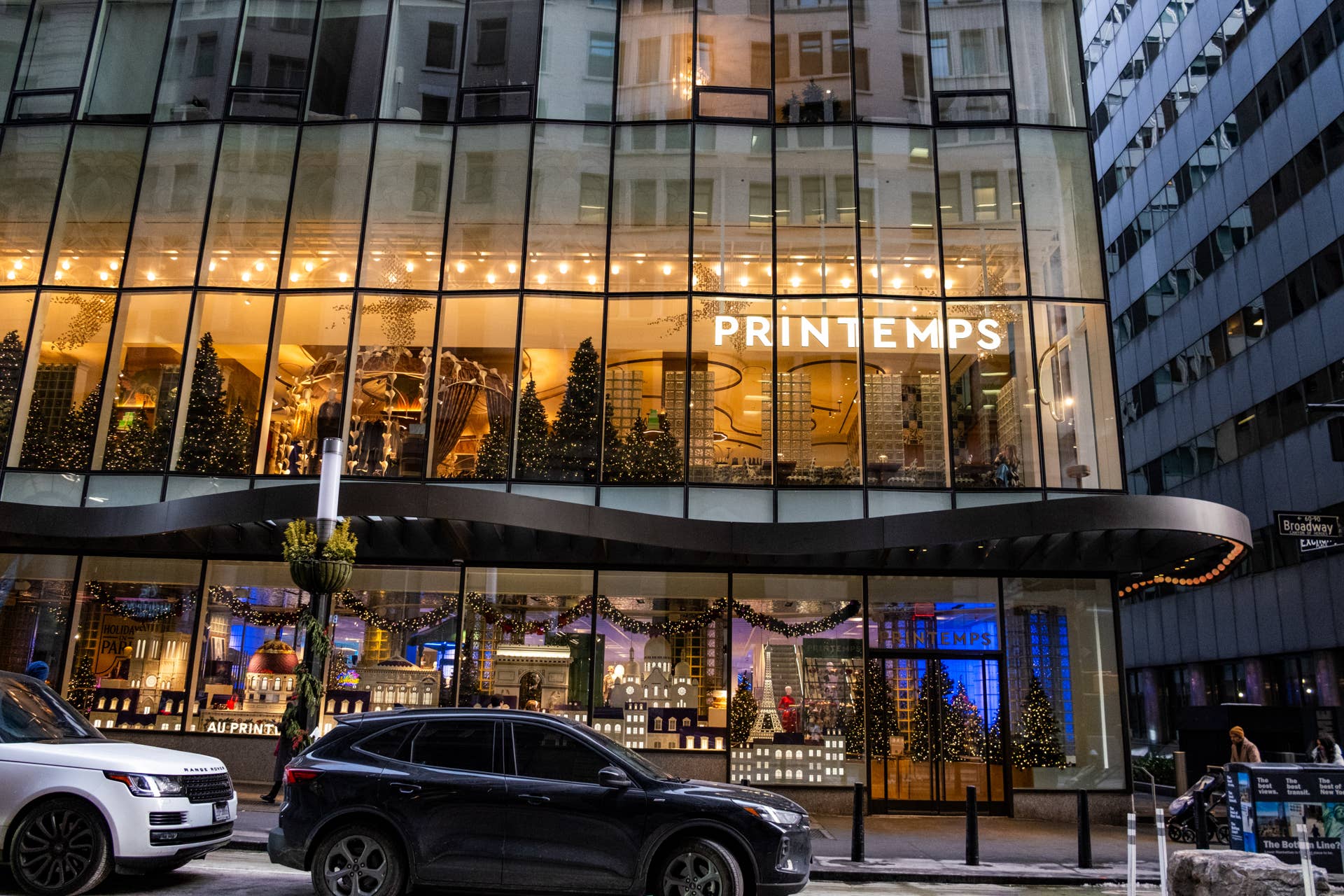
Printemps, for example, visibly prioritizes the indie offerings with the front-and-center marble table display. Ariel Fantasia, the store’s head of beauty and jewelry buying, tells Fashionista the goal was to create a “playground of discovery” for shoppers.
“Not only is finding smaller fragrance brands incredibly rewarding — and so much fun — it also gives us a point of differentiation from other multi-branded retailers,” Fantasia says. The in-stock selection includes a range of classic scent categories, more esoteric aromas and exclusives found only at Printemps. “When buying our inventory I try to make sure that there is as little overlap as possible, [in terms of scent profiles or note combinations], between brands,” she adds, “which builds upon the sense of discovery and playfulness for customers — and they’re truly responding to it.”
Related: Why Indie Beauty and Wellness Brands Are Betting on In-Person Consumer Events
Stéle, a New York-based independent fragrance store, is similarly built around discovery. “Instead of curating a store based on what you’re ‘supposed to sell’ — brands with heavy marketing backing and manufactured demand — we built what we wanted to see,” says Stéle co-founder Matt Belanger, who launched the business alongside co-founder Jake Levy. “We focused on what we, as consumers, are drawn to: human-led independent brands with strong ethos and a distinct point of view.”
It’s easier for an independent store like Stéle to give smaller brands their shining moment, and typically, in an environment that’s more inviting for customers. I know I’ve felt pressured to buy something at department stores because of pushy salespeople; that behavior is the antithesis of what Belanger and Levy have built: Stéle is more experimental and relaxed — patrons are encouraged to explore (if they want assistance, an associate can and will gladly help) and, because the team is always bringing in new brands, finding something you’ve never seen before is a virtual guarantee. “In a large chain environment, indie can quickly feel ubiquitous. But in a tightly curated setting, it still feels like discovery. That difference is everything,” Belanger and Levy say.
What’s interesting is department stores haven’t always put indie perfumes on the back burner. Steven Gontarski, the senior manager of brand and public relations for Luckyscent and Scent Bar, considered Barneys to be the niche perfume maven in its heyday. “When Barneys closed, that left this big void in the world of niche perfume and some brands just kind of lost their home,” he says.
Photo: Courtesy of Scent Bar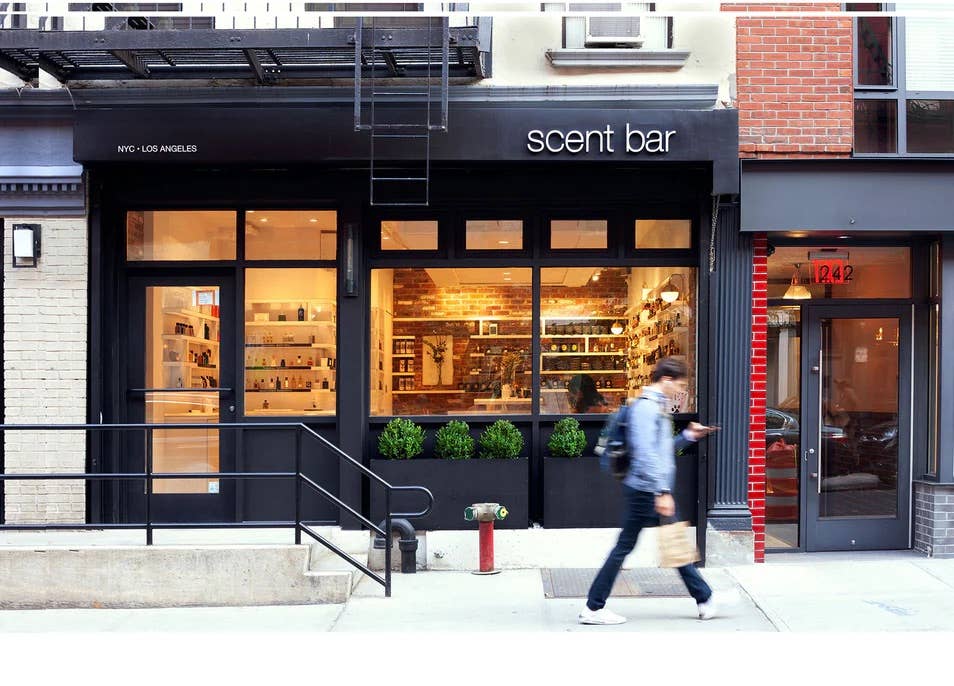
From there, niche and indie perfumery weren’t on many department stores’ radar. Independent retailers have greatly benefited from this lapse and grown their clientele as a result. Scent Bar, for instance, has experienced immense profitability and continues to grow; it currently has four locations — two in Los Angeles and two in New York City — with plans to open another in Dallas.
With the success of independent fragrance retail, as well as the proliferation of #perfumetok and creators sharing their most unique fragrance finds, traditional retailers are finally catching on to the fact that niche perfume brands are major sales drivers. “I think department stores are now trying to figure out ways to keep their sales going,” says Gontarski. “And in perfume, they see that there’s excitement with niche brands.”
Sephora caught on relatively early. “When Sephora launched over 25 years ago, fragrance was our largest category and what many clients initially knew us for,” Carye Campbell, SVP of fragrance merchandising at Sephora, says. As the retailer grew, its priorities shifted to focus on makeup and skin care, but it’s attention has returned to fragrance over the past few years.
Due to Sephora’s reach, marketing initiatives and social media, the indie brands the retailer brings on tend to go viral — think Phlur, Commodity and Skylar. This allows the labels to toe the line between indie and mainstream, making Sephora the ultimate incubator for brands that want to scale.
Photo: Courtesy of Borntostandout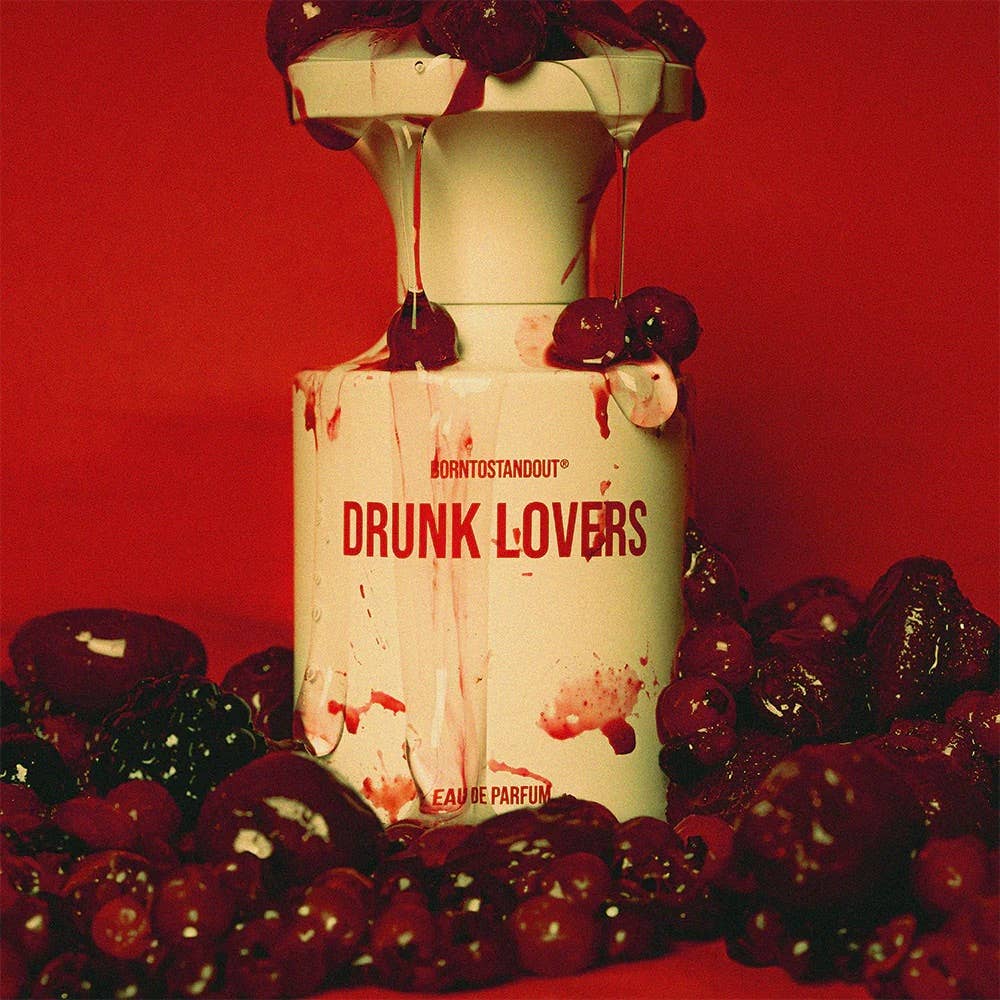
Recent additions to Sephora’s indie fragrance lineup include Borntostandout and Fugazzi. However, while both have created some quirky, off-the-beaten-path scents, Sephora stocks only their more palatable options that have mass appeal. Sure, these brands will get more eyes on them, but shoppers lose out on a deeper sniffing experience. This is where Sephora lags in the niche race.
“Retailers need to be okay with taking a bit of a risk when bringing in niche brands,” says Tynan Sinks, host of the Smell Ya Later podcast. “Uncertainty is never easy when there’s money to be made, but it’s not only about the smell. How shoppers learn about the scent and the lengths they go to in order to source it are also part of the fun.”
Personally, I’ve struggled to get a feel for any scent in Sephora’s fragrance department because of the omnipresent perfume clouds caused by over-spritzing, as well as a lack of sampling. (Note: While Sephora does offer some perfume samples, they do not carry vials of every scent sold in store.)
Photo: Courtesy of Scent Bar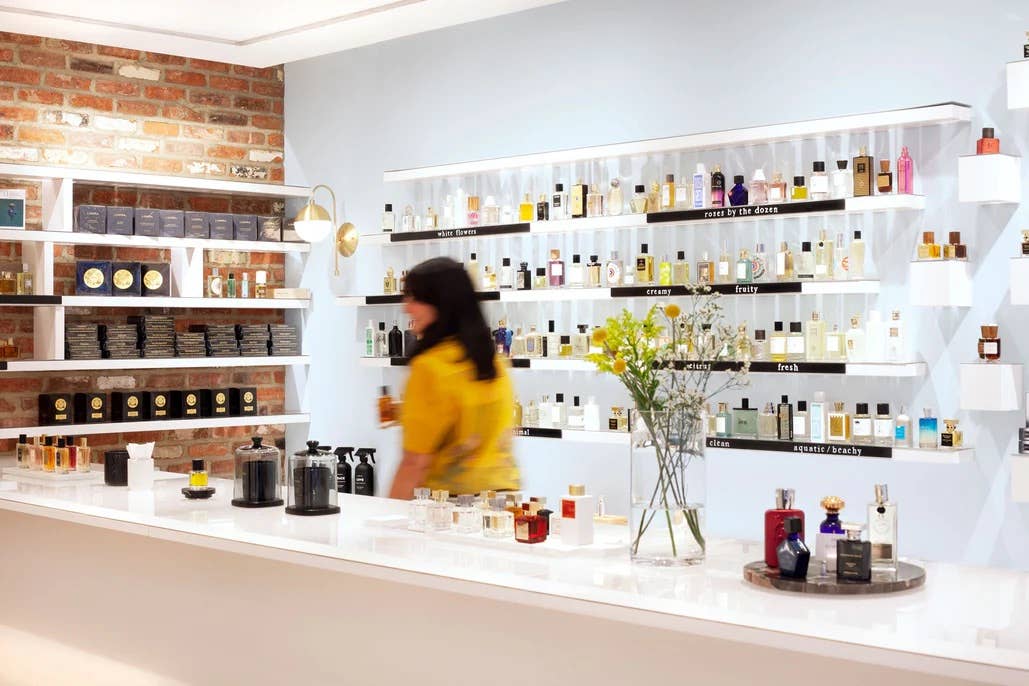
Nordstrom, on the other hand, is doubling down on its sampling initiatives. According to Pierre Vouard, an adjunct professor at the Fashion Institute of Technology’s Cosmetic and Fragrance Marketing Program, the retailer’s New York flagship keeps empty one-milliliter vials stocked, and sales associates can fill them with any fragrance. “They also have this tool where you can search for notes on a screen, and it will help you decide what to smell,” he says. “This technology enhances the experience.”
Sampling and new technology are just part of Nordstrom’s niche perfume strategy. “We are working to be a place of discovery, and sometimes that means tapping into immersive experiences,” Autumne West, Nordstrom’s national beauty director, shares.
Related: Meet S.S.K. (Labs), the New Indie Fragrance Brand Demystifying Scent Experimentation
The most recent example coincided with the launch of Amouage Love Hibiscus: The brand built a large-scale immersive installation at Nordstrom’s New York flagship. “Love Hibiscus launched exclusively at Nordstrom, so this was truly a discovery moment you could only have with us,” West says, adding that shoppers loved it. “This reminded us that customers want more than a transaction — they want to discover something, to play and to be inspired. These activations let us show up for them in a way that feels really fun and intentional.”
For fragrance consumers who actively seek out indie perfumes, it’s not enough to just fall in love with a scent; they want to learn the inspiration and be fully immersed in the story of it. Bloomingdale’s noticed this and curated a full calendar of fragrance masterclasses at locations nationwide.
“We bring fragrance to life through hands-on workshops led by experts and perfumers, where our customers can really engage with the craft, from understanding raw materials to exploring layered notes and fragrance families,” Marissa Galante Frank, the retailer’s beauty and accessories fashion director, says. “Fragrance Fair is also a key moment for us. On May 9, it takes place across all stores, bringing together leading perfumers and brands through interactive experiences that help customers discover their next signature scent.”
For indie fragrance brands, immersive experiences are a key part of winning over new customers, as well as fostering stronger retail partnerships. “The brands don’t just want any shelf space, especially because they’re telling a very specific story and trying to create a very specific experience,” says Grant. The retailers that are, in essence, “winning the race” intersect exploration with storytelling within their stores. “It’s so much more than stocking the product.”
Please note: Occasionally, we use affiliate links on our site. This in no way affects our editorial decision-making.
