



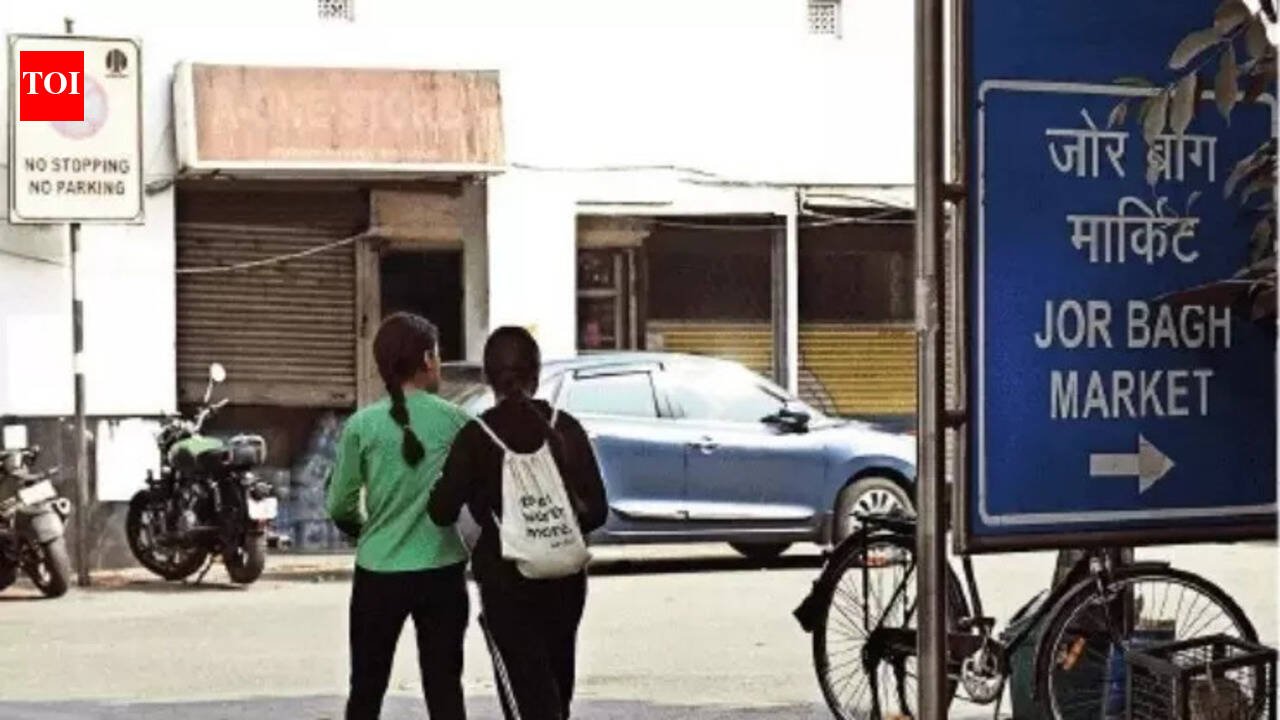
Step into Jor Bagh and the city’s chaos pauses at its gates. Streets lined with trees stretch ahead, most houses face lush parks, and the neighbourhood seems infused with a stillness locals proudly call its biggest luxury. “Jor Bagh is all about this sense of calm,” most of them say when asked what defines this upscale south Delhi residential area.Developed in the immediate decades after Independence, mainly during the 1950s and 1960s as the capital expanded beyond Lutyens’ Delhi, Jor Bagh quickly grew into one of the city’s most prestigious addresses. Located close to Lodhi-era monuments and sprawling gardens, the colony’s name is believed to have come from a nearby historical tomb complex linked to that period.Planned as a low-density residential neighbourhood, Jor Bagh soon became home to senior bureaucrats, diplomats, politicians and professionals. Over time, several old bungalows have made way for modern low-rise apartments, but the wide roads, green cover and quiet residential feel have largely survived the inevitable transition.For Jor Bagh RWA President, Anmol Khanna, the story of Jor Bagh is also a deeply personal one. He arrived here more than 35 years ago when he was still in his second year of college, and has watched the neighbourhood evolve from a quiet government enclave into one of Delhi’s most sought-after addresses. Jor Bagh has around 233 houses, and many families have been living here for over 70 years. Like them, much of the yesteryear charm, Khanna says, still holds today. “There’s still greenery all around.”“There is a sense of calmness in our colony. When you enter, the first thing you notice is the greenery. I shifted here over 35 years ago, when I was in my second year of college. Jor Bagh has 233 houses, and the area was largely home to families residing here for over 70years. The cleanliness was remarkable. There were far fewer cars on the road and everything felt well managed and amazing neighbourhood feeling,” Khanna said.“Fast forward to today, it is still one of the best places to live. You enter and see greenery all around. Most houses face parks, and that view is what people value the most. The calmness inside the colony still remains. Of course, parking has become a problem as the number of cars has increased. On cleanliness too, Jor Bagh RWA pioneering to be zero-waste neighbourhood in Lutyens Delhi. What has truly stayed the same is the social cohesion — residents were united then and they still come together for festivals and functions. But yes, with the builder-floor concept coming in, the load on infrastructure has increased significantly,” he added further.Despite its laidback feel, the colony sits at the heart of the capital and is highly accessible. Major roads like Aurobindo Marg and Lodhi Road connect it quickly to central and south Delhi, while Jor Bagh metro station takes one easily to Yellow Line landmarks, such as Connaught Place, Hauz Khas and Gurgaon.Residents say this rare combination of quiet residential living and strong connectivity is one of the reasons the neighbourhood continues to be in high demand.However, the pressures of a changing city have crept in. Parking space is tougher to find as the number of cars rise, and the shift towards builder floors has increased the load on local infrastructure. The RWA, meanwhile, is pushing to make Jor Bagh a zerowaste neighbourhood.“What has truly stayed the same is our social cohesion,” Khanna says. “Residents were united then and they still flock together during festivals and functions.”Yet, it’s not entirely a postcardperfect picture. While Jor Bagh has nearly everything going for it, Jyoti Pande, who moved here three years ago, believes some issues need attention. “Given how many educated people live here — diplomats, high net worth individuals, politicians, top lawyers and other professionals — the expectations of civic amenities were naturally high. And honestly, considering its prime location, the area has high potential. But every aspect needs to improve further,” she said.She added that some specific issues need more attention. “Garbage is still not segregated – people don’t compost on-site. There are potholes and dug-up areas which haven’t been attended to for months. Some roads have developed cracks and repairs take time. Stray dogs are a menace and residents have been bitten. Park maintainance leaves a lot to be desired – some random plantings are being done, creating chaos” Pande said. “The RWA has written to the deputy chief minister who represents our constituency and the NDMC in September, – but six months later hasn’t even got the courtesy of a reply. The colony has everything it needs to become number one, but these problems need to be resolved.”


