






“It carried memory, emotion and a sense of home.”
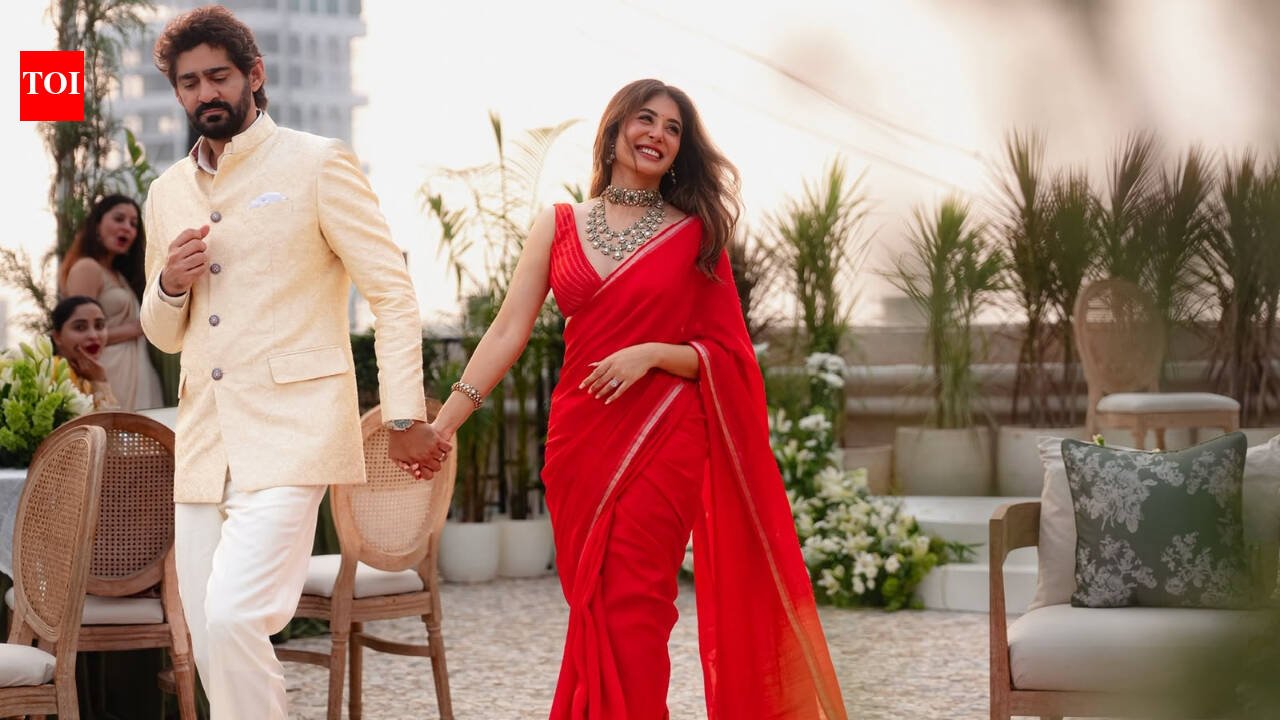
For many brides, the wedding outfit becomes one of the most discussed parts of the celebration. Kritika approached hers differently.“It was an emotional decision,” she says. “Wearing a Cinnabar saree that my mother and our weavers in Chanderi made for my big day wasn’t just beautiful but also very personal to me. It carried memory, emotion and a sense of home.”She wasn’t looking for an outfit that would dominate photographs years later.
“I wanted my wedding look to be timeless rather than trend-driven. Years from now, I didn’t want to look back and see a fashion moment. I wanted to remember how I felt.”That thought lingers. In an era where weddings are often curated for social media, her approach felt almost refreshing.“I think that’s what handwoven textile does so beautifully,” she adds. “It allows the person to shine instead of the outfit trying to do all the talking.”
Rediscovering Chanderi
Ironically, Kritika didn’t grow up thinking of Chanderi as heritage.Like many people who are raised around extraordinary things, familiarity made it seem ordinary.“Growing up, Chanderi was just a fun outing I had with my parents,” she recalls. “It became heritage only when I stepped away from my hometown and realised how extraordinary it actually is.”Studying at NIFT Delhi changed her perspective further.“I started to value the story behind what I wear. I appreciate clothes that have a sense of place and a sense of the people who made them.”Today, her relationship with fashion has become less about novelty and more about craftsmanship.“I enjoy fashion, I love beautiful design, but I’ve become far more interested in craftsmanship than novelty. That’s probably the biggest shift in how I dress today.”
Tradition doesn’t need reinvention
For years, Indian handloom was unfairly boxed into the category of “traditional wear.”That divide, Kritika believes, no longer exists.“I think we’ve moved past the idea that tradition and modernity are opposites. Today, personal style is about mixing influences and making them your own.”She believes confidence matters more than labels.“A handloom saree can feel just as contemporary as any luxury garment if it’s worn with confidence.”What makes Indian textiles stand apart, she says, is that they never needed to imitate global fashion trends.“The weave, the texture, the imperfections… they’re what give them character. That’s something people are appreciating much more today.”Those tiny irregularities – once considered flaws – are increasingly becoming symbols of authenticity.
Dressing with quiet confidence
Ask Kritika how her style has evolved and the answer isn’t about silhouettes or colours.It’s about comfort.“When I was younger, I was probably more interested in fashion as self-expression. Today, I’m more interested in how clothes make me feel.”She laughs at the idea of being overstyled.“I like clothes that have quiet confidence, pieces that feel effortless, beautifully made and authentic to who I am.”Whether it’s a sharply tailored jacket or a handwoven saree, longevity has become her guiding principle.“My relationship with fashion today is much less about keeping up and much more about building a wardrobe that genuinely reflects me.”It’s a philosophy that feels increasingly relevant in a world where trends seem to change every week.
Every saree has someone behind it
One of the biggest shifts in Kritika’s thinking came when she began understanding the labour behind every handwoven textile.
“Absolutely,” she says when asked if wearing handloom changes the way she looks at clothing.“Once you understand how much time, skill and patience goes into making something by hand, it’s very difficult to look at clothing the same way again.”Each weave, she explains, represents years of practice.“You begin to appreciate that every weave represents someone’s years of practice, their livelihood and their artistry.”That awareness has transformed her shopping habits too.“Now I buy fewer things, but I value them much more. I think that’s a healthier relationship with fashion in general.”
Turning passion into purpose
Kritika’s connection with Chanderi didn’t stop with wearing handloom.It inspired her to build Cinnabar alongside her mother, bringing their shared love for the textile into something larger than themselves.“Starting Cinnabar has been one of the most meaningful things I’ve done because it allowed something deeply personal to become something purposeful,” she says. “And to share this purpose and journey with my co-founder, my mother, brings me a lot of joy.”Running the business has also shown her the realities of preserving traditional craft.“It’s about creating demand, making craft economically viable and ensuring artisans can continue practising it with dignity.”Being both an actor and entrepreneur has changed the way she approaches every design decision.“We think about design, yes, but we also think about longevity, wearability and making handloom feel relevant in the lives people actually live today.”
The future may be slower
Fashion is changing.Consumers are asking more questions than ever before.Who made my clothes?Will I still wear this five years from now?Can it be passed down?Kritika believes these are healthy questions.“I do think people are beginning to ask better questions. Not just what am I buying? but who made it? Will I still love it years from now? Can I repurpose it?”For her, handloom naturally belongs in this conversation.


