


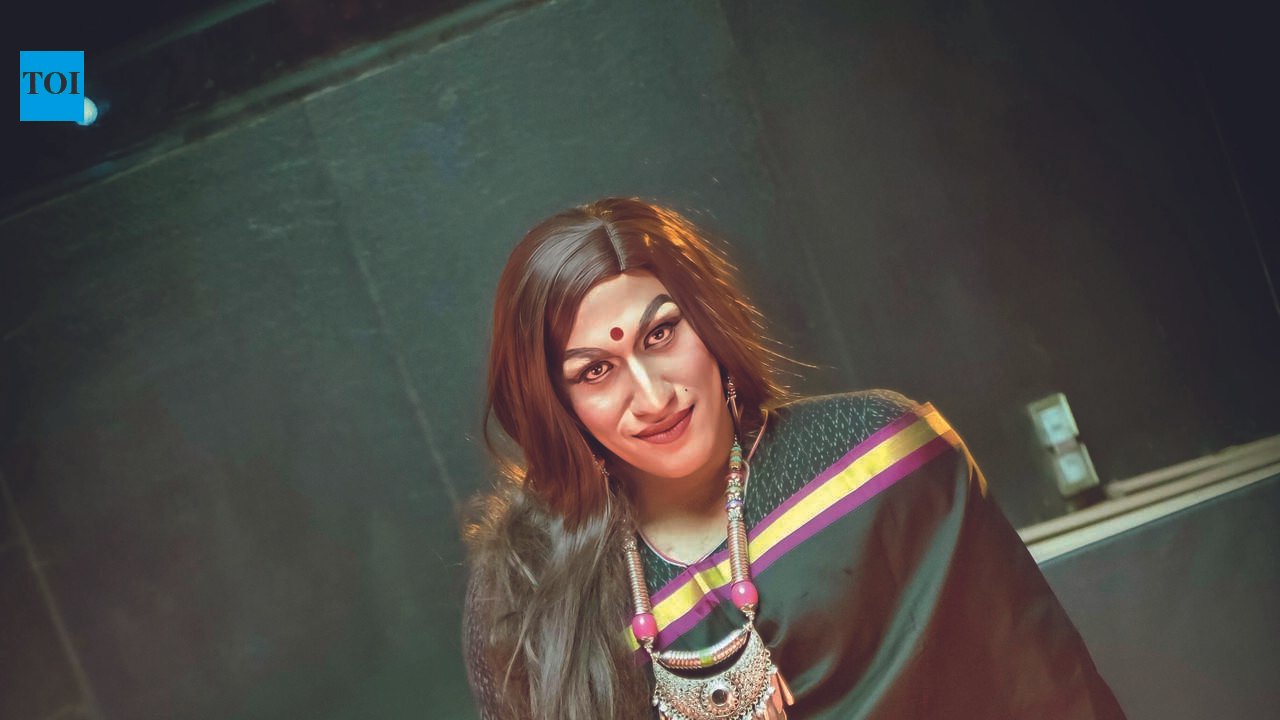
Pride Month may have ended, but for Bengaluru’s queer community, the conversations, challenges and fight for visibility continue every day. Bengaluru-based drag performer Alex Mathew, popularly known as Maya the Drag Queen, reflects on why the momentum often fades after June, how the city’s queer culture has evolved beyond Pride marches, and why drag performers need stronger platforms throughout the year.‘People don’t understand that we’re not a trend’According to Maya, “The biggest challenge is that the queer community is still treated like a seasonal trend. We’re human beings. Our rights don’t exist for just one month — they matter throughout the year.” The only other time the community receives renewed attention, Maya says, is around September, marking the anniversary of the reading down of Section 377. “People celebrate that milestone and then, once again, they forget us. Media, companies and even society need to stop treating us as an annual campaign. These conversations should be constant,” Maya explains.‘Pride in Bengaluru has become much bigger than just the march’Having moved to Bengaluru in 2012, Maya has watched the city’s queer movement evolve significantly. “When I first came to Bengaluru, everything revolved around the Pride March. Today, the march is only one part of the celebration. There are discussions, performances, workshops and community events that people genuinely look forward to,” Maya points out. While Bengaluru now hosts two Pride marches each year, Maya believes the city has expanded Pride into a broader cultural movement. Reflecting on this year’s celebrations, Maya says the spotlight shifted towards issues affecting the transgender community. “The conversation around the recent amendment Bill was impossible to ignore, and rightly so. I also saw greater participation from the transgender community. Their voices deserved to be at the centre because they’re the ones most affected.”‘Inclusion doesn’t end with rainbow logos’For Maya, genuine inclusion begins inside workplaces —not on social media campaigns. “I tell every corporate the same thing: don’t limit us to June. Get to know the people who work with you. Listen to their journeys. Listening is free,” says Maya. Drawing from diversity sessions conducted for companies, Maya adds, “Several LGBTQIA+ employees still struggle to receive equal opportunities despite organisations projecting themselves as inclusive. You can’t talk about diversity if your own employees don’t feel safe or don’t receive promotions because of their identity. Promotions should be based on work, not whether someone fits society’s idea of gender.” Many queer employees, Maya adds, remain silent for fear of losing their jobs.‘Drag art needs more than applause — it needs a home’Once June ends, drag performers return to building community through independent events at a handful of supportive venues across Bengaluru. While these spaces keep the art form alive, Maya believes they are not enough, explaining, “Drag is an art form, but occasional shows alone won’t help it grow. I’d love to see a club built around drag — a place where performers can showcase their craft regularly and audiences know they’ll always find us. Pride may last a month, but drag, like our lives, exists every single day.”Bengaluru gave me the safe space to become myself’Despite the challenges, Maya believes Bengaluru remains one of India’s safest cities for queer people. “The city accepted me long before I fully accepted myself. I moved here in 2012 and came out in 2014. That journey felt possible because Bengaluru gave me the safe space to figure myself out. Compared to many other cities, Bengaluru gives you the freedom to be who you are. I perform in drag because I choose to, and I can also live openly as a queer man. That freedom isn’t available everywhere,” says Maya.
