






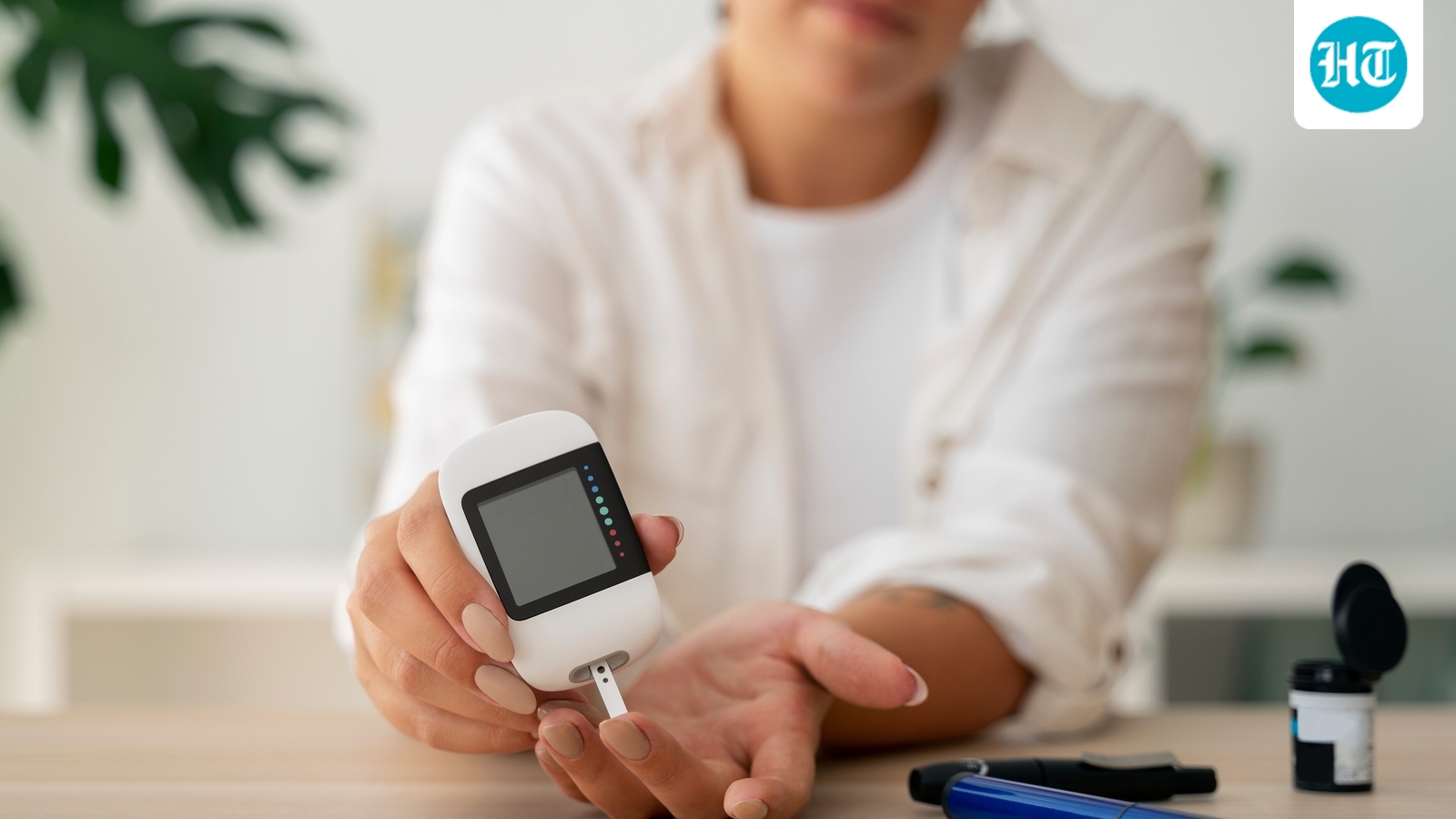
Walking, cutting down on sugar and eating mindfully are often among the first lifestyle changes recommended for better blood sugar control. But there is another important factor that tends to get less attention: maintaining and building muscle.
In an interview with HT Lifestyle, Dr Gagandeep Singh, a specialist in metabolic medicine and diabetes reversal, explains why resistance training can support better blood sugar management. (Also read: Woman shares how losing 20 kg changed her life beyond the weighing scale: ‘I only used to wear baggy clothes’ )
Why muscle matters for blood sugar
Sharing a case from his practice, Dr Singh said, “Ramesh is 54, and by most measures, he is doing everything right. He walks for 40 minutes every morning and gave up sugar in his tea two years ago. Yet, his fasting blood sugar continues to creep upward.”
“Doctor, what am I still missing?” he asks. According to Dr Singh, one often-overlooked piece of the blood sugar puzzle is muscle.
“We talk endlessly about food and walking when discussing diabetes, but we often overlook the role of skeletal muscle. Muscle is one of the body’s major tissues responsible for taking up glucose from the bloodstream,” says Dr Singh.
After you eat, glucose enters the bloodstream and needs to be taken up by tissues, particularly skeletal muscle. Physical activity increases the muscles’ demand for glucose and can also improve insulin sensitivity.
As we age, maintaining muscle mass and strength becomes increasingly important. Prolonged inactivity can contribute to muscle loss and metabolic changes, making regular strength-building activity an important part of diabetes prevention and management.
Why resistance training can help
“Resistance training gives muscles a reason to use glucose. When you lift, push, pull or work against resistance, your muscles increase their demand for energy and can become more responsive to insulin,” explains Dr Singh.
Research supports the role of resistance training in people with type 2 diabetes. A 2024 systematic review and meta-analysis of 46 randomised controlled trials involving 2,130 participants found that resistance training alone was associated with reductions in HbA1c and fasting blood glucose compared with control groups.
Another systematic review and meta-analysis of 20 studies involving 1,172 adults with type 2 diabetes found that resistance training significantly reduced HbA1c compared with controls. The researchers also found that greater improvements in muscular strength were associated with larger reductions in HbA1c.
“This does not mean that resistance training replaces walking, aerobic exercise, medication or dietary changes. Rather, it is another important tool that can complement them,” says Dr Singh.
You don’t necessarily need a gym
For someone who is new to strength training, simple bodyweight movements can be a starting point. “Even short bouts of resistance exercise can be useful when someone is beginning. You can start at home with movements such as chair stands, wall push-ups, planks or carrying a moderately heavy household object safely,” says Dr Singh.
A simple 10-minute routine could include:
- Chair stands: Sit on a sturdy chair and slowly stand up and sit back down.
- Wall push-ups: Place your hands against a wall and perform controlled push-ups.
- Plank: Hold a comfortable plank position for a few seconds and gradually build up.
- Loaded carries: Carry a suitable household object for a short distance while maintaining good posture.
The key is to begin at an appropriate level and gradually increase the challenge rather than pushing through pain or attempting weights that are too heavy.
Ten minutes is a starting point, not a cure
“Ten minutes of strength work should not be viewed as a cure for diabetes. It is simply an accessible way to start incorporating resistance exercise into your routine,” says Dr Singh.
For people with type 2 diabetes, resistance training can contribute to better glycaemic control, but it should form part of a broader approach that may include aerobic activity, nutrition, medication and regular medical monitoring.
If you have diabetes, particularly if you take glucose-lowering medication that can cause hypoglycaemia, discuss a new exercise routine with your doctor and understand how exercise may affect your blood sugar.
“Your morning walk is valuable. But if you are looking after your metabolic health, don’t forget to give your muscles something to do as well. Start small, build progressively and make strength training a regular part of your routine,” Dr Singh says.
Dr Gagandeep Singh, Founder of Redial Clinic, New Delhi, is a Specialist in Metabolic Medicine and Diabetes Reversal with 13 years of experience. He completed his MBBS from University College of Medical Sciences, Delhi.
Note to readers: This article is for informational purposes only and not a substitute for professional medical advice. Always seek the advice of your doctor with any questions about a medical condition.


