



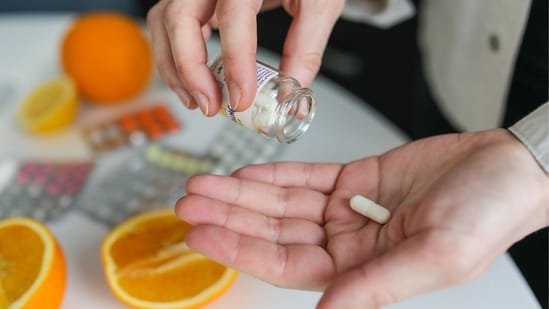
Believe it or not, even if you live in one of the sunniest countries in the world, you don’t seem to be immune to vitamin D deficiency in India. The science is clear: a significant proportion of the population is vitamin D deficient, even in the sun year-round. The high time spent indoors, air pollution, clothing, and a diet that naturally lacks vitamin D are among the factors that have led to what many experts call a “silent public health problem.”
Against this backdrop, the Food Safety and Standards Authority of India (FSSAI) has allowed the first plant-derived vitamin D3 ingredient for use in health foods, nutraceuticals, and fortified foods. The approval is an important step because vitamin D3 is usually derived from lanolin, which is extracted from sheep’s wool. The new ingredient is plant-derived, and its approval will offer a “vegetarian/vegan” option to those who want it and provide more alternatives for food manufacturers.
Will this approval alone help to improve the vitamin D status in India?
Probably not. The actual opportunity is food fortification. The inclusion of plant-based vitamin D3 in widely used foods such as breakfast cereals, dairy alternatives, edible oils, and drinks may help boost the vitamin D content of a much larger proportion of the population. Even supplements are valuable for those diagnosed with a deficiency. Still, only a portion of those who are deficient can access them.
This is also an important approval from the consumer’s point of view. With rising consumer demand for clean-label, plant-based, and sustainable nutrition, manufacturers today have a vitamin D3 source that meets this demand without sacrificing quality or efficacy.
Why is vitamin D less in Indians?
However, no single ingredient can address India’s vitamin D deficiency. All of these will continue to be important, including regular but safe sun exposure, a balanced diet, screening of high-risk groups, appropriate supplementation under medical guidance, and wider food fortification. Plant-based vitamin D3 contributes to that effort, not by replacing vitamin D’s role, but by providing access to this critical vitamin to more people.
(Disclaimer: At Hindustan Times, we help you stay up to date with the latest trends and products. Hindustan Times has an affiliate partnership, so we may get a part of the revenue when you make a purchase. We shall not be liable for any claim under applicable laws, including, but not limited to, the Consumer Protection Act, 2019, arising from the products. The products listed in this article are in no particular order of priority, and the brands have not been directly suggested by the expert mentioned.
This article is for informational purposes only and is not a substitute for professional medical advice. Always seek the advice of your doctor with any questions about a medical condition.)


