



Another issue identified by the investigation was that no fail-safe system – involving valve position indicators and gas pressure sensors – had been installed to alert the crew that the valve was failing.
Wartsila had shipped the main engines to Ferguson’s in early 2017 without such monitoring systems – although it would later fit them as standard on new engines and had fitted them to the smaller auxiliary engines on the ship.
CalMac’s report suggests that standards body Lloyds Register may have signed off the system based on the assumption that such safety features were fitted on all engines.
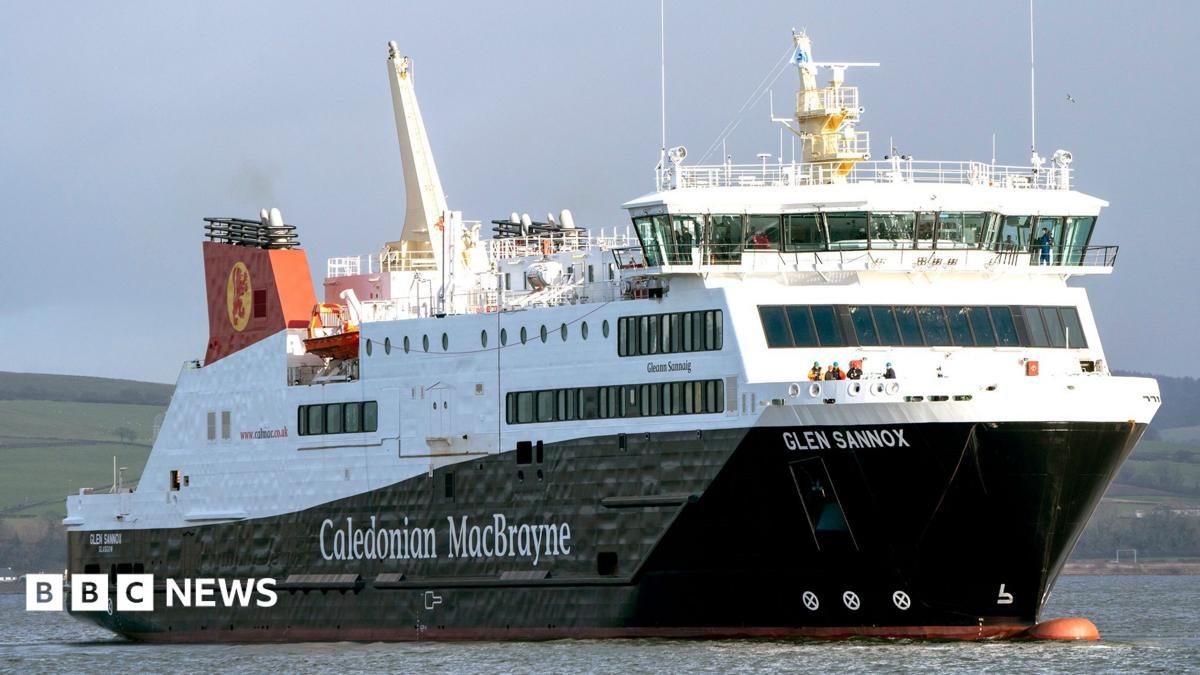
These sensors have now been retrofitted to Glen Sannox and will also be fitted on its sister ship MV Glen Rosa which is due for delivery later this year.
The valve that failed has been replaced with the new model and CalMac has provided more training to its staff. The ship is not currently operating on gas.
In a statement CalMac said: “Lessons were learned following the incident in June 2025, and remedial actions taken.
“The vessel is absolutely safe to operate on LNG, and the decision not to re-gas her following annual overhaul at the beginning of the year was purely due to our desire to get her back in service as quickly as possible.”
The Marine Accident Investigation Branch has reviewed CalMac’s report and indicated that it is satisfied with the firm’s remedial action.
Wartsila said client confidentiality prevented it answering questions on why fail-safe monitoring equipment was not fitted on Glen Sannox, or who had access to its service notices.
In a statement it said: “We are dedicated to sustainability and maintaining the highest safety standards, quality, and reliability for our customers.
“We work closely with our customers throughout the lifecycle of our solutions and provide technical guidance, updates, and support where relevant.”
