



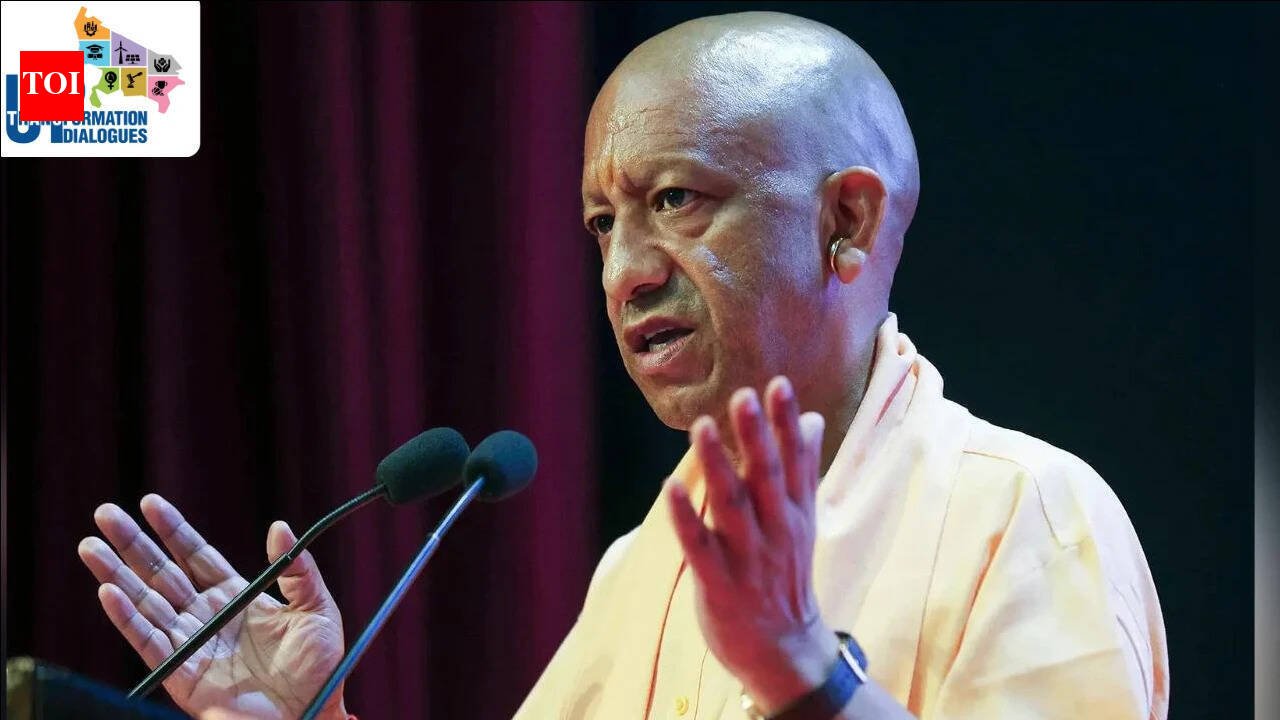
Under Yogi Adityanath‘s leadership since 2017, Muzaffarnagar has seen a dramatic shift in law and order, moving away from its earlier reputation marked by communal tensions and crime. The district, part of western Uttar Pradesh’s once-volatile belt, benefited from the state’s zero-tolerance policy toward criminals and mafias.Encounters, strict policing, and asset seizures reduced heinous crimes significantly across Uttar Pradesh, with similar gains reported locally. Residents now experience greater safety, enabling women and businesses to operate with confidence, and ending the cycle of fear that previously hindered daily life and investment.Infrastructure development accelerated markedly between 2017 and 2026, transforming connectivity and urban amenities. Major road-widening projects, such as the Behra Sadat to Meerut-Pauri stretch, alongside improved rural and urban linkages, boosted accessibility.Plans for the Muzaffarnagar-Haridwar Namo Bharat Rapid Rail Transit System promise enhanced regional ties. In April 2026, CM Yogi inaugurated and laid foundations for 423 projects worth over Rs 951 crore, covering roads, drainage, and public facilities. These efforts integrate Muzaffarnagar into broader expressway and industrial corridors, reducing travel times and spurring local growth.Economic and agricultural transformation formed another pillar of change, leveraging Muzaffarnagar’s strengths in sugarcane, dairy, and small industries. Timely cane payments, scientific farming techniques, and Centers of Excellence lifted the agriculture growth rate statewide, with ripple effects in this fertile district.Muzaffarnagar has witnessed substantial economic advancement under Yogi Adityanath’s governance from 2017 to 2026, transitioning from a primarily agrarian economy vulnerable to instability into a more diversified and productive hub. The district, known for its sugarcane belt, benefited immensely from the state’s focus on timely payment of cane dues—reaching over 92% clearance in recent seasons—and the revival of sugar mills.Improved irrigation, scientific farming practices through Krishi Vigyan Kendras, and agro-climatic zone strategies pushed agricultural productivity higher, aligning with Uttar Pradesh’s overall agri-growth rate rising from around 8% to 18%. This stability not only boosted farmer incomes but also supported allied sectors like dairy and food processing, creating a ripple effect on local MSMEs and reducing distress migration.Beyond agriculture, industrial and infrastructure push catalyzed broader economic diversification in Muzaffarnagar. Enhanced road connectivity, upcoming RRTS links to Haridwar, and integration with regional industrial corridors attracted investments in iron arts, manufacturing, and small-scale units. State-wide policies, including land banks and sector-specific incentives, enabled local enterprises to scale up while skill development programs generated employment for youth.Industrial policies attracted investments, while MSME support and skill programs created jobs, curbing out-migration. The district’s iron arts and related crafts gained from better market access and infrastructure, contributing to Uttar Pradesh’s broader economic surge toward a $1 trillion goal.Urban renewal initiatives, including Smart City aspirations, have modernized Muzaffarnagar’s core by 2026. Allocations for smart infrastructure—such as better traffic management, utilities, and public services—aim to elevate living standards. Projects worth crores have upgraded municipal amenities, with a focus on sustainable development and citizen-centric governance. By addressing historical challenges through decisive execution, Muzaffarnagar evolved from a district plagued by instability into a more prosperous, connected hub reflecting the wider “Transforming UP” narrative.Muzaffarnagar’s journey toward becoming a Smart City gained significant momentum in 2025 when Chief Minister Yogi Adityanath approved a comprehensive proposal to transform the district headquarters into a modern, sustainable urban centre. This initiative, part of the state’s broader urban development drive, focuses on integrated infrastructure upgrades rather than isolated projects.Initial funding allocations, including nearly Rs 10 crore under the New Era Municipal Scheme, target visible improvements in core civic services. The vision positions Muzaffarnagar as a model city emphasizing self-reliance, environmental sustainability, and technology-driven governance, addressing long-standing issues of unplanned growth, flooding, and congestion.Key components of the Smart City master plan include a city-wide drainage system to mitigate monsoon waterlogging, underground power cabling to reduce outages and clutter, and a state-of-the-art bus terminal for better inter-city connectivity. Alongside larger projects worth Rs 951 crore inaugurated in 2026, are reshaping Muzaffarnagar’s urban landscape and improving quality of life.Muzaffarnagar’s tourism sector has experienced steady growth and renewed focus between 2017 and 2026, primarily centred on its rich religious and cultural heritage under the Yogi Adityanath government. The development of Shukrteerth (Shukratal), a significant Hindu pilgrimage site on the banks of the Ganga where Shukadeva Goswami narrated the Srimad Bhagavatam, stands out as a flagship project.Infrastructure upgrades, including a light-and-sound show inaugurated in 2026, beautification works, and improved connectivity, have transformed it into a more accessible and attractive destination on the lines of major pilgrimage centres like Ayodhya and Varanasi. Better road networks, the proposed Muzaffarnagar-Haridwar Namo Bharat Rapid Rail, and promotion of nearby attractions such as the giant Hanuman idol and Nakshatra Vatika have boosted pilgrim footfall and local economy.Renowned as a major hub for jaggery (gur), the district contributes significantly to India’s non-centrifugal sugar exports, with Muzaffarnagar jaggery finding markets across the country and abroad through One District One Product (ODOP) branding, improved quality standards, and better logistics. Wrought iron crafts and related metal handicrafts have also gained export traction, supported by skill development and market linkages. Enhanced infrastructure, including better roads and connectivity to ports via expressways, along with state export promotion schemes, has helped local industries scale up, boosting foreign exchange earnings and creating employment while complementing the district’s sugarcane economy.


