



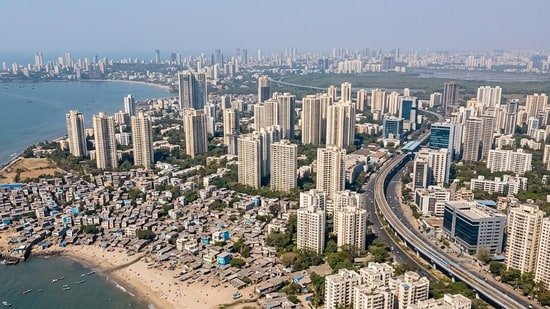
The Strait of Hormuz blockade since early March has impacted the real estate sector by driving up material costs, disrupting supply chains, and heightening the risk of delays or stalled projects. Rising ribbed steel rod prices are expected to weigh on construction in high-rise markets like Mumbai, Delhi-NCR, and Hyderabad, while also pushing up luxury housing prices, with developers likely to raise rates by over 5%, an analysis by Anarock has said.


According to the analysis, prices for imported marble commonly used in Mumbai’s sea-facing penthouses and ultra-luxury homes have increased by ₹50–150 per sq ft due to rerouting charges.
In Delhi, facade-heavy office developments that rely extensively on aluminium-glass curtain walls are likely to face substantial cost overruns.
Meanwhile, bitumen prices, critical for infrastructure projects like the Mumbai-Nashik Expressway and Delhi’s peripheral roads, had already climbed to ₹48,000–51,000 per tonne, compounding the pressure, said Prashant Thakur, Executive Director & Head – Research & Advisory, ANAROCK Group.
Luxury housing is among the worst-hit segments. Imported Italian Statuario and Calacatta marble, widely used in Mumbai’s sea-facing penthouses and ultra-luxury residences, now carries an additional ₹50–150 per sq ft due to rerouting costs, taking the total installed price to around ₹6,000 per sq ft. Premium plotted developments are also expected to see similar cost escalations on imported fittings and finishes, it noted.
Construction inputs hit hard
Steel prices have surged by around 20% to ₹72,000/tonne, from ₹62,000 earlier. At a very rough estimate, this adds approximately ₹50/sq. ft. to the cost of building high-rises in Mumbai, which currently has well over 10,000 luxury units under construction. The cost of hot-rolled coil now hovers at ₹51,000-56,000 and may hit ₹62,000 by June if the situation does not improve, the analysis said.
Skyscrapers use ribbed steel rods embedded in concrete to give them tensile strength, and this added cost has a direct correlation to the cost and speed of constructing them. Diesel for construction cranes and mixers is heavily associated with the $100+ price of Brent crude. This price shock will significantly affect construction sites in Mumbai, Delhi-NCR, Hyderabad, and other high-rise-centric cities across the country, it noted.
With aluminium plants in Bahrain and Qatar now either partially or fully down, the price of aluminium – another important construction input – now hovers at around ₹3.5 lakh/tonne. Delhi’s facade-heavy office parks, where aluminium-glass curtain walls dominate the external envelope, will witness steep cost overruns. The price of bitumen, required to construct critical infrastructure projects like the Mumbai-Nashik expressways and Delhi’s peripheral roads, had already risen to ₹48,000-51,000/tonne, it noted.
As it is, construction costs in cities Mumbai and Delhi have risen by as much as 39% over the past four years and now average at around ₹2,780/sq. ft. for mid-to-luxury skyscrapers. The cost of construction labour, which is commonly 25-35% of the total project cost incurred by the developer has risen by 25-40% over the last 4-5 years due to tightening skilled worker shortages and overall wage inflation, it said.
“At a time when housing sales were already tapering, Indian developers are now confronted with an even starker landscape and must find new ways to weather the intensified storm. Diplomatic manoeuvring has succeeded in getting at least some LPG tanker ships through the Strait. However, bulk imports must now travel an additional 6000-10000 nautical miles, and marine fuel is now about ₹1 lakh/tonne. Also, there are additional ‘war surcharges’ and steeply hiked shipping insurance costs. It has become so serious that Indian regulators are now cracking down on shipping profiteering,” the analysis said.
Impact on Mumbai’s luxury real estate market
The impact will be most pronounced in India’s high-end housing hotspots. Mumbai Metropolitan Region (MMR), India’s skyscraper king with 300+ towers, over 5,500 high-rises, is also the leader in India’s ultra-luxury housing segment (homes priced above ₹40 crore).
Also Read: Dubai real estate: Will mid-segment properties face pressure amid the US–Israel–Iran war?
South Mumbai, BKC, Worli, and Lower Parel lead the city’s luxury vertical boom, concentrating most such projects. “These markets are going to experience the strongest blow of the Hormuz-induced construction price shocks. It will probably not impact ultra-luxury sales, though,” the analysis noted.
Will prices of luxury homes increase?
High oil prices due to the Gulf crisis are pushing up prices across the economy, so there is little hope of any rate cuts anytime soon. However, luxury housing sales do not really operate in that realm. While most developers of luxury projects expect to have to hike their prices by over 5%, their target clientele can largely absorb the hikes without much strain, it noted.
Then again, there is the matter of luxury housing sales to NRIs from the Gulf. These make up roughly 15-22% of high-end sales in cities like Mumbai and Delhi, according to industry estimates. Leading luxury developers state that NRIs contribute as much as 30% and above of their total sales value in premium and luxury projects. However, NRIs now face disrupted and delayed flight availability to India – among other things, to visit project sites and finalize property deals, it said.
Even if the Gulf War ends tomorrow, the Strait of Hormuz opens and shipping resumes normally; however, the additional real estate costs will not be reduced immediately, it said.
“We can expect a 2–8-week period for tanker pileups to clear as carriers test the safety of the route. Freight surcharges and higher shipping insurance will remain high in locked contracts,” it said.
War‑risk surcharges and rerouting have cumulatively added anywhere between ₹2–3.5 lakh per container, especially for cargoes linked to Gulf routes. This severely impacts the import of finishes, metals, and high‑value components commonly used in South Mumbai luxury towers. The port backlogs will delay the arrival of steel and aluminium, it noted.


