


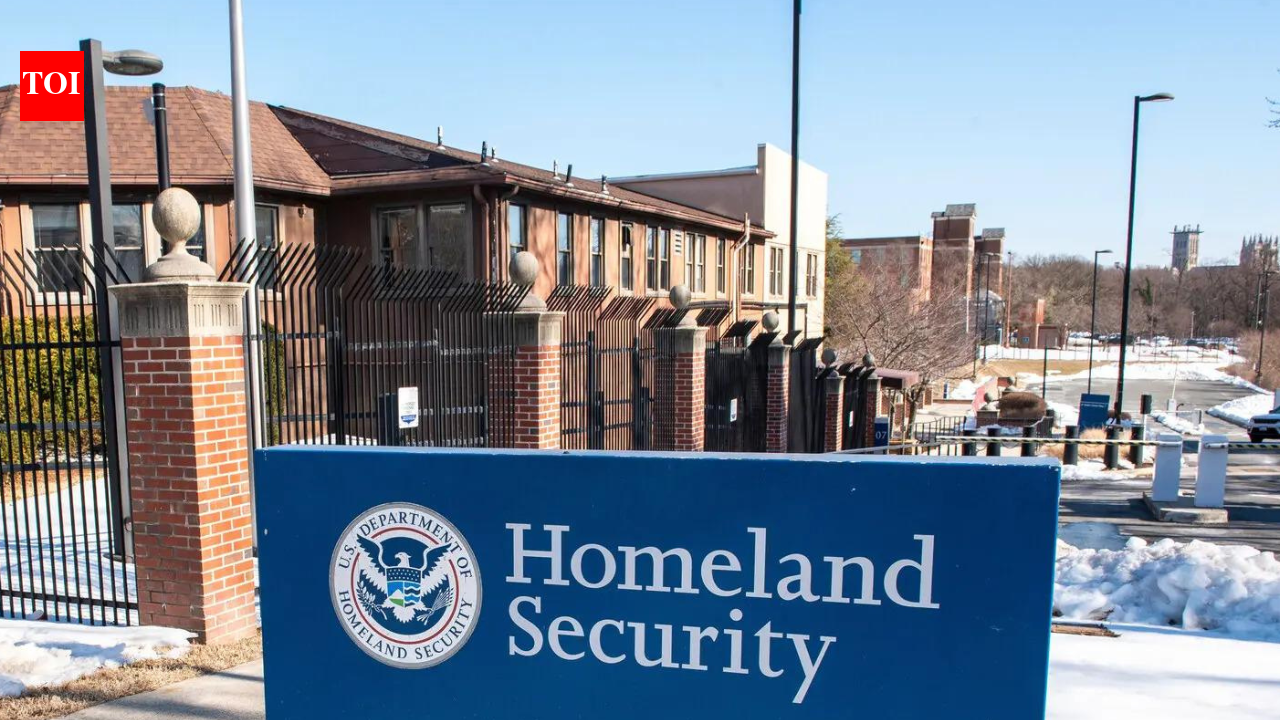
The Department of Homeland Security (DHS) entered a partial shutdown on Saturday due to a congressional funding dispute centered around Immigration and Customs Enforcement (ICE) operations. The controversy intensified after ICE agents killed two US citizens during raids in Minneapolis, leading Democrats to demand major reforms before approving new funding, while thousands of government workers face furloughs or unpaid work.The shutdown impacts several key agencies but notably excludes ICE itself, which remains operational under previous funding. Critical services affected include FEMA’s disaster response capabilities and TSA’s airport security operations, with warnings of possible flight delays and longer wait times.Democrats have specific demands for ICE reform, including restrictions on patrols, banning face masks during operations, and requiring judicial warrants for property entry. House Minority Leader Hakeem Jeffries emphasized this stance, stating, “Donald Trump and Republicans have decided that they have zero interest in getting ICE under control.”The White House, through Press Secretary Karoline Leavitt, countered by blaming Democrats for the shutdown, calling it politically motivated. Senator John Fetterman broke ranks with fellow Democrats, noting that “This shutdown literally has zero impact on ICE.”This marks Trump’s third shutdown of his second term, following a record 43-day closure last fall and a recent four-day shutdown earlier this month. The Senate needs 60 votes to pass the budget bill, requiring Democratic support even if all 53 Republicans vote in favor.Some progress occurred during the previous shutdown after public outrage over the deaths of Renee Good, a mother of three, and Alex Pretti, a veterans’ nurse, in Minneapolis. Homeland Security Secretary Kristi Noem responded by mandating body cameras for federal agents in Minneapolis, planning to expand the policy nationwide.While the Senate is currently in recess, members could return if negotiations advance. However, talks between the White House and Democrats remain stalled despite the administration’s willingness to discuss immigration enforcement policy changes. Senate Majority Leader John Thune acknowledged it as “an extremely serious offer” but cautioned that Democrats won’t achieve all their demands.


