



Srinagar, Oct 07: Kashmir’s famed Hokersar wetland is facing a growing ecological threat from the very human activities surrounding it, with untreated domestic sewage emerging as the biggest pressure on the site, a new study has found.
The study, conducted by Eiqan Owais Qureshi, an undergraduate student in the Department of Zoology at Government College for Women Nawakadal, under the supervision of Prof Farooq Ahmad Mir, found that domestic sewage discharge accounted for 46.67 percent of the major anthropogenic pressures recorded in the wetland.
“Agricultural conversion was identified as the second-largest pressure, accounting for 26.67 percent, while encroachment and urbanisation contributed 20 percent. Waterfowl hunting accounted for the remaining 6.67 percent,” the study, a copy of which is with the Rising Kashmir reads.
The findings paint a worrying picture of an ecosystem increasingly squeezed by expanding human activity, waste inflows and changing land use.
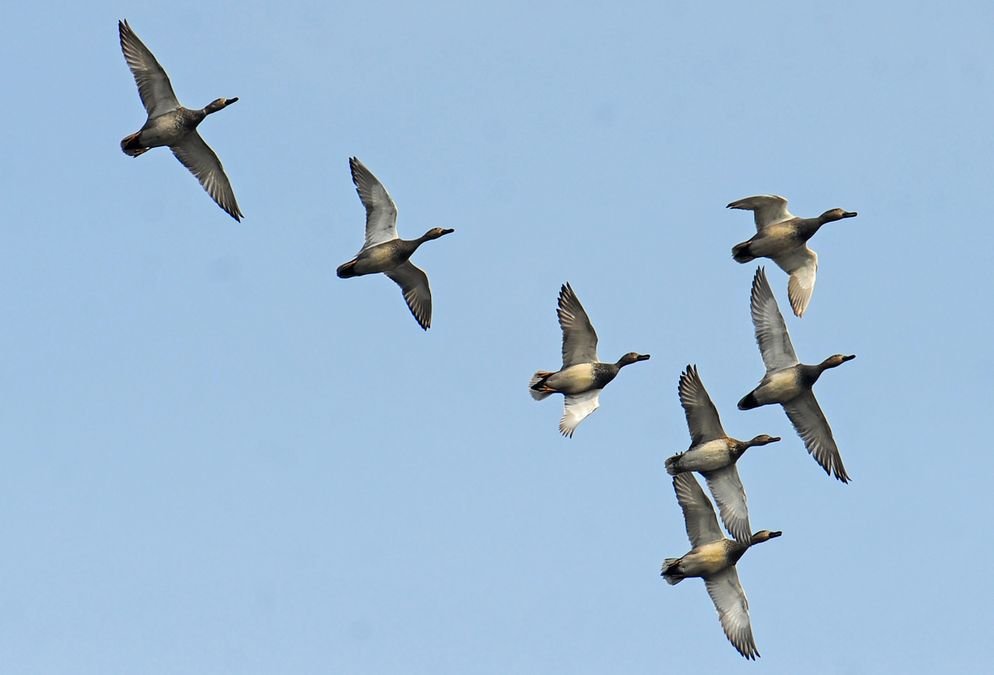
“Hokersar, widely known as the Queen of Wetlands, is one of Kashmir’s most important wetland ecosystems and a critical stopover and wintering habitat for migratory birds travelling along the Central Asian Flyway. Beyond supporting biodiversity, wetlands such as Hokersar function as natural water filters, help regulate floods, store water and provide a range of ecological and socio-economic benefits to surrounding communities,” the research reads.
However, it warns that these functions are being steadily compromised. “The continuous inflow of domestic sewage is contributing to deterioration in water quality and eutrophication, a process in which excessive nutrients stimulate abnormal plant and algal growth and disturb the natural balance of aquatic ecosystems. Such changes can reduce habitat quality and affect the availability of food and shelter for waterfowl and other wetland species,” the research reads.
It states that the conversion of wetland areas and surrounding land for agriculture adds another layer of pressure. “Agricultural expansion alters natural habitats and hydrological patterns, while increasing human activity around the wetland can further accelerate ecological degradation,” the study reads further. “Urban encroachment poses a similar threat by shrinking the natural space available to the wetland and increasing the volume of waste and pollutants entering its ecosystem.”
The study also identifies waterfowl hunting as a continuing pressure, although its contribution to the overall anthropogenic burden was lower than sewage, agriculture and urbanisation.
Researchers say the cumulative impact of these activities is more significant than any single threat. “Degraded water quality, habitat disturbance and land-use changes can collectively reduce the wetland’s ability to support migratory birds and perform its natural ecological functions,” they said.
The study recommends afforestation in catchment areas, effective sewage treatment, tighter regulation of hunting and greater community participation and awareness to arrest further degradation. The researchers stress that protecting Hokersar is not merely about conserving a bird habitat. Its ecological functions are closely linked to the health of the wider landscape and the livelihoods and environmental security of communities around it.
For Kashmir, the message is clear– the “Queen of Wetlands” may continue to attract thousands of migratory birds, but unless sewage, encroachment and land-use pressures are controlled, the ecosystem that draws them here could itself be pushed towards irreversible decline.
