


The UK economy unexpectedly grew during the first full month of the Iran war, according to official figures, suggesting the Middle East conflict has not yet affected growth as much as feared.
Figures from the Office for National Statistics (ONS) showed growth of 0.3% in gross domestic product (GDP) in March, from a revised 0.4% rise in February and 0% growth in January. The ONS had originally estimated that the economy grew 0.5% in February and 0.1% in January.
The figure for March was significantly better than economists’ expectations, which had forecast GDP would shrink by 0.2%.
Over the first three months of 2026, GDP rose 0.6%, up sharply from growth of 0.1% in the final three months of last year.
The ONS said that growth in the first quarter was “led by broad-based increases across the services sector”. It added that the computer programming and advertising industries “performed particularly well”, while construction returned to growth.
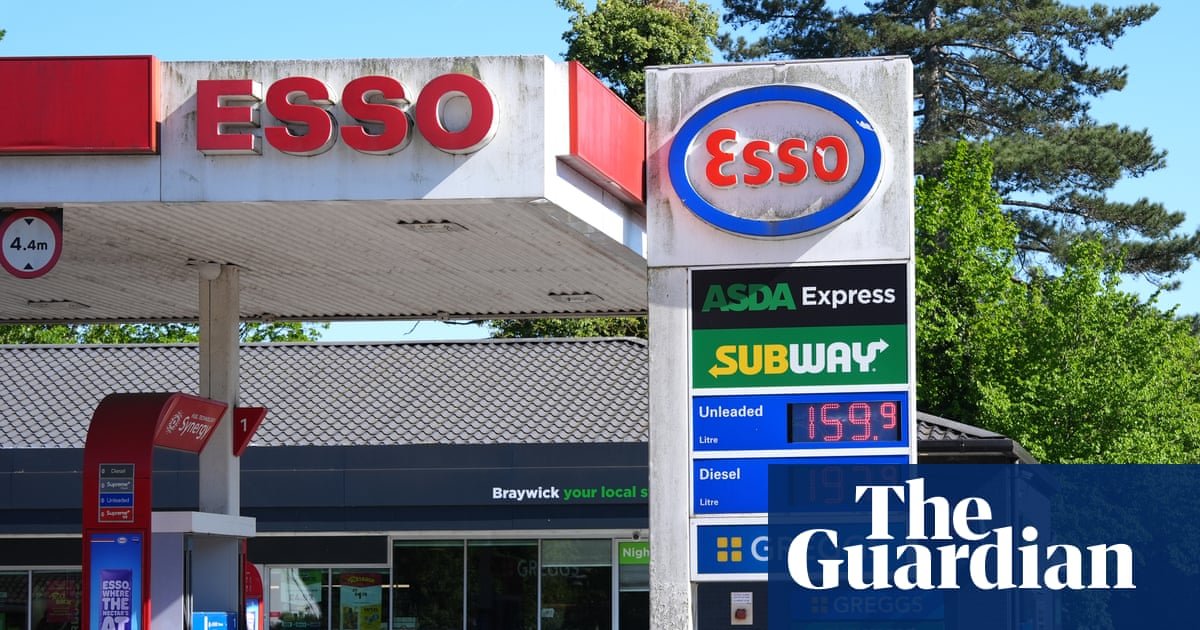
The March figure is one of the first official signs that the Iran war – which broke out on the final day of February – is not affecting activity for businesses and consumers as badly as expected, despite soaring oil and gas prices due to the closure of the strait of Hormuz.
The GDP reading ties in with some business surveys that suggest the economy has managed to maintain momentum despite the Middle East conflict.
The closely watched purchasing managers index (PMI) for the UK showed business activity rising in April due to upturns in manufacturing production and output from the services sector. Retail sales also rose in March, even when excluding the increased cost of fuel, according to the ONS.
However, the Bank of England warned last month that the UK may also need to brace for higher interest rates in the coming months as “higher inflation is unavoidable” because of the war in the Middle East. Inflation rose to 3.3% in March from 3% in February, after the Iran war triggered the biggest jump in fuel prices for more than three years.
Researchers at the Bank added that the energy supply shock “could weigh on GDP growth” if income growth slows, business investment falls and supply chains become disrupted.
The GDP figure adds to the uncertain picture being presented by business and consumer surveys, according Fergus Jimenez-England, associate economist at the National Institute of Economic and Social Research.
He said: “As businesses adjust to this latest energy shock, leading indicators are sending mixed signals. Input price inflation has picked up sharply and job vacancies continue to fall, pointing to softer demand conditions ahead.
“At the same time, retail sales and PMIs have held up, although some of this strength may reflect firms and households bringing forward spending in anticipation of further price rises.”
