


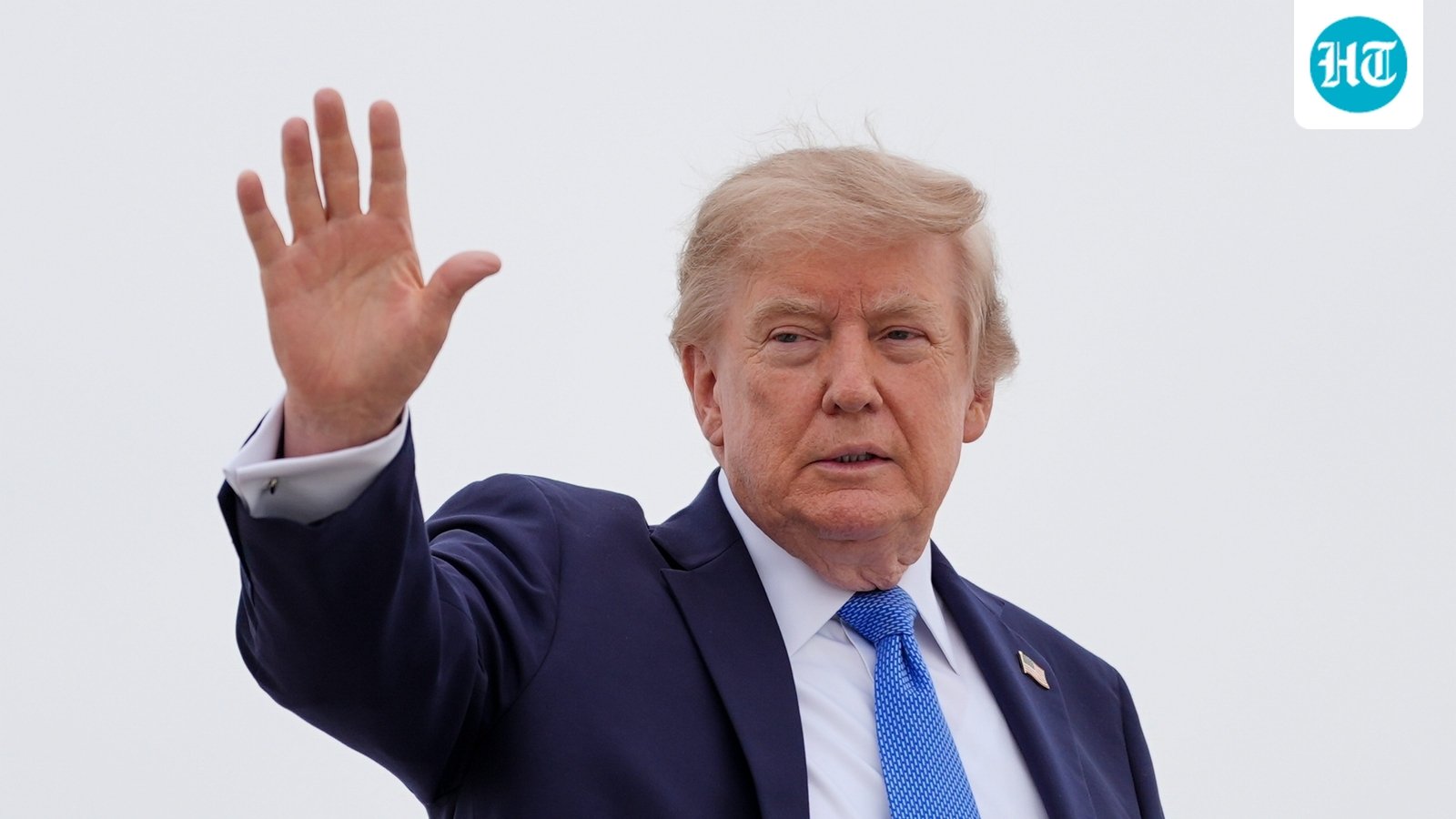
President Donald Trump’s health has been under growing public scrutiny, particularly after he was seen with bruising on his hands and swelling in his legs.
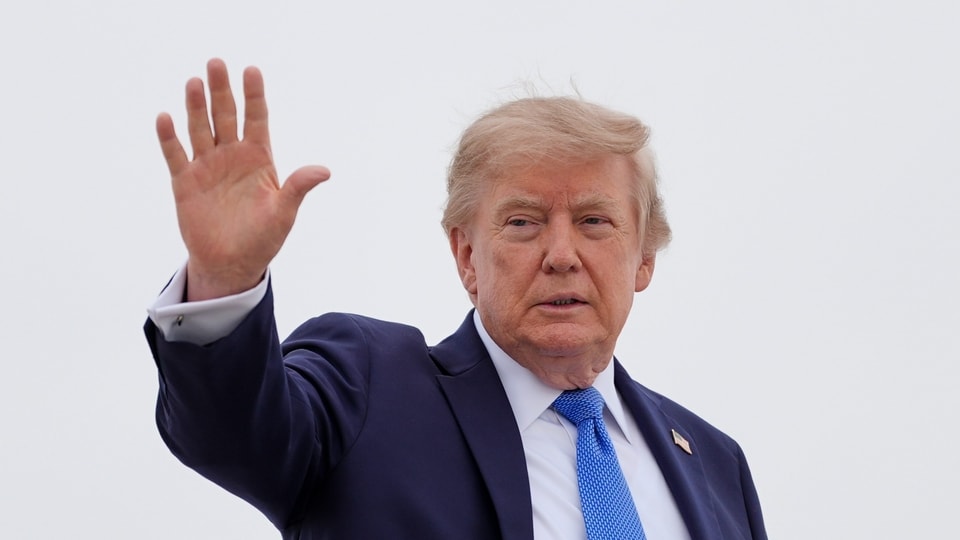
In May, Trump underwent a medical evaluation at Walter Reed National Military Medical Center. His physician, Navy Capt. Sean Barbabella, said the president was in “excellent health” and “fully fit” to carry out his duties.
But the report did not put all questions about Trump’s health to rest. Some outside doctors have questioned whether the information released by the White House provided a complete picture of the president’s health.
Trump taken to Walter Reed?
Amid the continued scrutiny, false claims about Trump being rushed to Walter Reed have also surfaced online. A similar rumor spread on Facebook on Saturday, with posts claiming thaFt Trump had been “Taken to Walter Reed Medical.”
One of the posts included an AI-generated video appearing to show two bodyguards carrying the 80-year-old president near the hospital. The claim is false. There is no evidence that Trump has been admitted to Walter Reed.
What did Trump’s May medical evaluation say?
Trump’s physician, Capt. Sean Barbabella, said the president remained in “excellent health” after his May medical examination.
In a memo released by the White House, Barbabella said Trump had “strong cardiac, pulmonary, neurological and overall physical function.” She also said he was “fully fit to carry out all duties of the Commander-in-Chief and Head of State.”
The examination included heart imaging, a CT scan, cancer screenings and other preventive assessments carried out with the help of 22 specialists. Trump also scored 30 out of 30 on the Montreal Cognitive Assessment, according to the report.
The report did acknowledge some of the physical signs that had attracted attention.
Barbabella said Trump had “slight lower leg swelling,” but noted that it had improved from the previous year. Trump was diagnosed with chronic venous insufficiency in 2025, a condition in which blood can pool in the legs and cause swelling.
The bruising on Trump’s hands was described as “minor soft tissue irritation related to frequent handshaking.” Barbabella also said aspirin use could contribute to the bruising and described it as a common and benign effect of aspirin therapy.
Why are some doctors still raising questions?
While the White House report described Trump as being in excellent health, some outside physicians have said more information is needed.
Dr. Jonathan Reiner, a professor of medicine and surgery at George Washington University and a former physician to Vice President Dick Cheney, recently questioned the level of detail provided by the White House.
In a New York Times opinion article, Reiner pointed to Trump’s visible hand bruising, leg swelling and occasions when the president appeared to struggle to stay awake. He also raised questions about advanced imaging Trump underwent during his recent medical evaluation and why some details were not publicly explained.
Other doctors have similarly said that the White House medical report leaves some important questions unanswered.
