



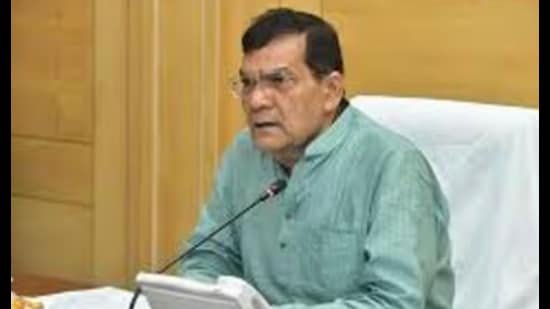
LUCKNOW With the next round of Swachh Survekshan rankings approaching, UP urban development and energy minister AK Sharma on Friday directed urban local bodies across the state to intensify cleanliness drives, strengthen waste management systems and ensure there is “zero negligence” in civic services.


Calling clean and well-managed cities a top government priority, Sharma said all urban local bodies must work with “full responsibility and accountability” to improve urban living standards and secure better rankings in the Swachh Survekshan exercise.
Chairing a high-level review meeting in Lucknow, Sharma asked municipal corporations, municipalities and nagar panchayats to treat cleanliness as a “public movement” and focus on improving citizen participation ahead of Swachh Survekshan.
The meeting was attended by mayors, municipal commissioners, executive officers, corporators and senior officials of the urban development department from across the state.
Issuing a stern message to civic officials, Sharma said executive officers of municipalities and nagar panchayats would be held accountable for lapses in sanitation and civic management.
“There should be no complaints of negligence from anywhere. If officers work with seriousness and commitment, issues related to cleanliness and other civic services can be effectively resolved,” he said.
He also instructed officials to regularly review the condition of their respective urban bodies and identify areas requiring improvement in sanitation, drainage, waste disposal, public amenities and citizen satisfaction.
A major focus of the review was on improving citizen feedback mechanisms, door-to-door garbage collection, waste segregation at source and implementation of the new Solid Waste Management Rules-2026. Officials also discussed strengthening the RRR (reduce, reuse, recycle) model to promote sustainable waste management practices in urban areas.
Sharma instructed civic bodies to activate ward-level cleanliness promotion committees and maximise citizen engagement, stating that public participation would play a key role in improving the state’s performance in the national cleanliness survey.
The minister also ordered immediate cleaning of drains and sewer lines, desilting operations and strengthening of water drainage systems to prevent urban flooding and waterlogging.
He directed all urban local bodies to form quick response teams (QRTs) to handle emergencies and civic complaints during the rainy season.
The minister stressed the need to keep public spaces clean and free from encroachments while launching large-scale sanitation and awareness campaigns aimed at behavioural change among citizens.


