



“Longevity” is the latest buzzword on every wellness brand’s lips (and marketing materials). As so-called biohackers use high-tech wearables to optimize their routines with and everyday consumers look for better ways feel healthier, the $6.8 trillion+ global wellness industry is entering a new era of longevity-focused solutions. Transdermal vitamin patches are stepping into the spotlight as a result.
Of course, transdermal patches — or stickers that gradually diffuse preloaded substances into the user’s bloodstream — are nothing new. You’ve likely heard of nicotine patches, which were first developed in the 1980s to help people quit smoking, or birth control patches, which have been an approved hormonal contraceptive since 2001. Transdermal drug delivery goes back millennia (think medicinal plants and oils), but the stick-on patches we know today stem from the first iteration approved in 1979 to treat motion sickness. Now, the expanding global transdermal patch market is expected to reach $9.55 billion by 2030, coinciding with the wellness industry’s major supplement push.
“With the growth of the longevity market and the biohacking movement, people are looking to expand to new methods of delivery,” double board-certified cosmetic dermatologist Dr. Danny Guo tells Fashionista. “Transepidermal patches allow for a simple and direct method of substance delivery that can be done at home.”
The idea is inherently convenient: Instead of downing a handful of pills each morning, consumers can simply stick on their desired vitamins and go about their day. Need a boost of vitamin D3? Or perhaps a hit of vitamin B12? There’s a patch for that. As double board-certified dermatologist Dr. Ohara Aivaz for Live Conscious adds: “There’s also growing interest in personalized health and innovative delivery systems, and patches offer a modern, wearable approach that aligns with those trends.”
The Rising Patch Brands
Photo: Courtesy of Barrière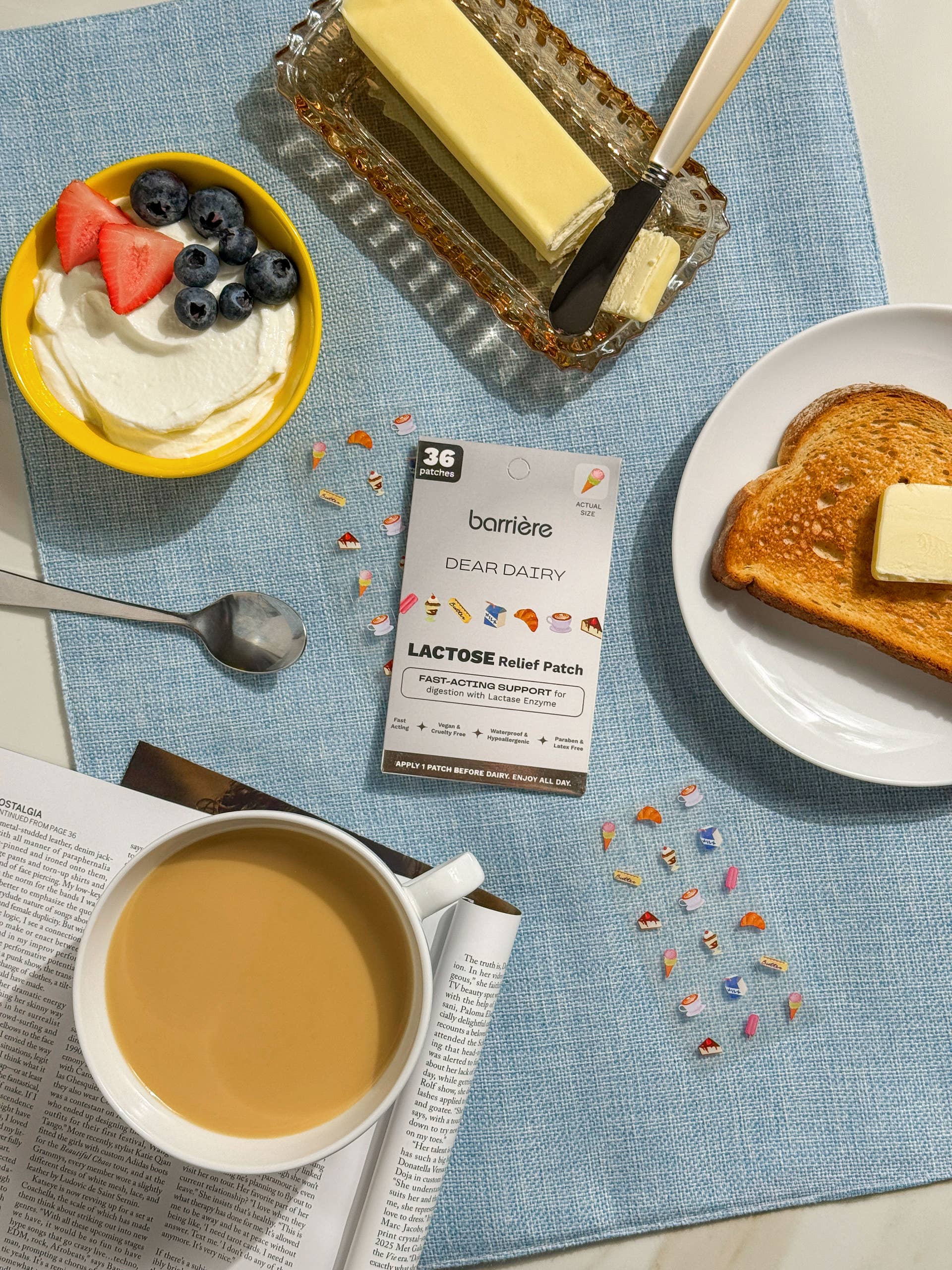

Thanks to the rising wellness boom, the transdermal patch space is only growing. Fleur Marché, a CBD brand that transitioned into hemp and botanical wellness patches, debuted in 2019; Kind Patches launched its gradual-release products in 2023; and The What Supp Co., a U.K.-based brand founded by former British Vogue Editor Kelly Gilbert, entered the market in 2025. Plus, Patchology got its start in transdermal wellness back in 2014 before pivoting to skin-care-focused patches, while The Good Patch has been crafting energy- and sleep-boosting patches for nearly a decade.
Barrière, a vitamin patch brand co-founded by Cleo Davis-Urman in 2023, stands out as one of the buzziest transdermal patch brands on the market thanks to its wide assortment and temporary tattoo-inspired designs. After reformulating and relaunching in 2024, Barrière expanded its selection to include patches with melatonin, biotin, ashwagandha, ergothioneine, NAD+ and iron, among others.
“The idea was to create a product that made it easier and more enjoyable to stick to a routine and to not have to make a lot of changes to your life, because at the end of the day, the secret to wellness is consistency and consistency can really only be achieved when you want to do something every day,” Davis-Urman says.
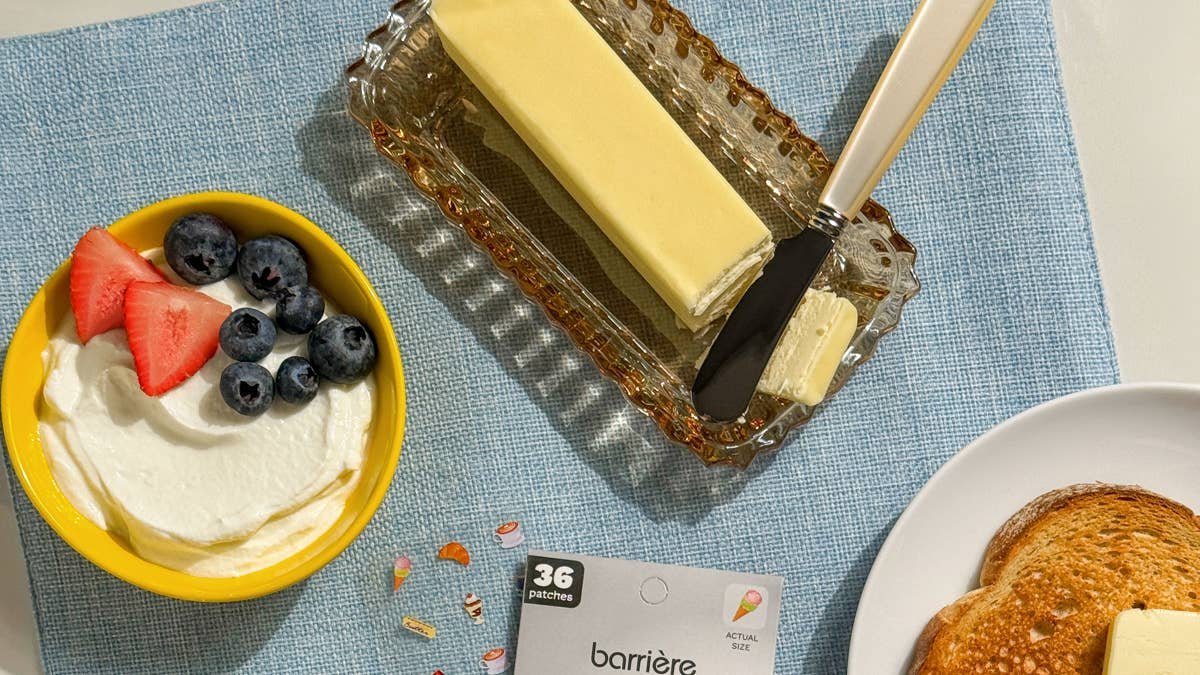
This April, Barrière launched the first-ever lactose relief patch called Dear Dairy. Packed with 9,000 FCC of lactase enzyme, it claims to offer lactose-intolerant users eight to 12 hours of relief from gas, bloating and digestive discomfort experienced after consuming dairy — all from an ice cream-shaped sticker. “We think it’s a solution that’s built for real life and real people who just want to go about their routine without compromise,” Davis-Urman says of Barrière’s latest launch.
This commitment to uncomplicated wellness also shines through in The Good Patch’s approach to transdermal patches: “The moments you need support most (rough morning, long travel day, stressful week) are exactly the times you’re not going to stick to a complicated wellness regimen,” The Good Patch Co-Founder and CEO Betsy Scanlan notes. “A patch is already on. It’s working before you even think about it.” Beyond stick-on solutions for sleep and stress, The Good Patch also offers patches tackling period pains (via 5% menthol and black cohosh) and hot flashes (using 15mg of premium hemp extract, menthyl lactate and black cohosh).
“The beauty of a patch is that you’re in control,” Scanlan adds. “You apply it, wear it throughout your day, and if it’s not for you, you simply take it off. It’s a very low-commitment way to try something new.”
What Dermatologists Think
Photo: Courtesy of The Good Patch

Now for the burning question: Do these transdermal vitamin patches really work? According to Dr. Aivaz, absorption can be challenging since the skin’s primary function is to act as a “protective barrier,” meaning “it’s naturally resistant to allowing substances to pass through.” Contrary to some MAHA-adjacent influencers‘ fear-mongering claims, our skin doesn’t absorb everything it touches. When it comes to transdermal delivery methods, absorption is far more nuanced. (After all, we’re humans, not sponges.)
“While certain medications — such as nicotine, hormone replacement therapy and some prescription pain medications — have been successfully formulated for transdermal delivery, many vitamins and nutrients are larger, more complex molecules that may not penetrate the skin as efficiently,” Dr. Aivaz continues. “The effectiveness of a patch depends on the specific ingredient, formulation, dose and delivery technology being used.”
Related: ‘GLP-1 Beauty’ Is Here — But Is it a Marketing Gimmick? (Best of 2025)
“There needs to be data supporting each patch,” Dr. Guo says. “Just putting vitamins on a sticker doesn’t automatically make it an effective health product.” Dr. Rachel Westbay, a New York-based board-certified dermatologist at Marmur Medical, considers transdermal patches a viable option for those who struggle to take oral supplements or who are seeking a low-effort routine, “but they definitely should not be a replacement for a balanced diet or other necessary supplement,” she advises.
The dermatologists we consulted agree: Do your research before popping a patch on. After first checking in with your physician about possible nutritional deficiencies, it’s important to understand how and where these transdermal patches are made. For example, Barrière’s products are created in a U.K. facility that is registered with the Medicines and Healthcare products Regulatory Agency (MHRA, or the U.K. equivalent of the FDA). The Good Patch products are made in the U.S. and are dermatologist- and third-party-tested for safety and efficacy. It’s also worth noting that the FDA doesn’t approveany supplements, regardless of their delivery method (pills, gummies, patches, etc.).
“I generally recommend that consumers look for products backed by credible research and understand that not all nutrients are equally suited for transdermal delivery,” Dr. Aivaz says. Dr. Westbay puts it simply: “These are supplements, not treatments or replacements for medical care.”
Please note: Occasionally, we use affiliate links on our site. This in no way affects our editorial decision-making.


