


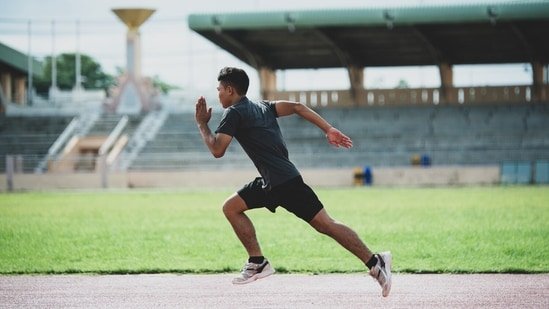
For an athlete, stamina is crucial for performance, and hydration acts as one of its main, foundational pillars. Irrespective of the kind of athlete you are, whether you are training for a marathon or regularly play a competitive sport, the right strategy helps you with endurance, recovery, and performance.
Nutritionist Kinita Kadakia Patel, metabolic reset and body transformation specialist, told HT Lifestyle that hydration is much more nuanced than simply drinking more water. This advice can be reductive, especially for athletes, because proper hydration also involves maintaining the right balance of fluids and electrolytes. But first, she addressed the common performance roadblock: dehydration. It does not solely happen because of limited water intake.
How does dehydration show up in athletes?
The nutritionist stated that dehydration can show up in several different ways and does not happen only during intense workouts. It can also be influenced by diet or training conditions. Here is a comprehensive list of signs, as shared by the expert, that may indicate dehydration:
- Excess sweating while training
- Poor fluid intake throughout the day
- Training in hot and humid environments
- High-protein diets with inadequate water intake
- Long-duration or high-intensity workouts, multiple times a day
Kinita also cautioned that sweat loss and dehydration can affect athletic performance in several ways, including:
- Early fatigue
- Reduces stamina
- Poor endurance
- Increased muscle soreness because of dehydration makes it harder for oxygen and nutrients to reach the muscles.
- Sweating causes loss of sodium and potassium, which causes a drop in energy levels, cramps, headaches and brain fog during training.
Correct hydration habit
The expert emphasised that rehydration for athletes cannot include plain water alone.
“You need to have a strategic plan that combines electrolyte-rich fluids along with water,” she said.
When it comes to frequency, she said that it can vary depending on the sport a person plays. However, she shared some basic thumb rules that can help athletes get started:
- Always start the training well-hydrated by consuming fluids before the session.
- Keep replacing the sweat loss with water and salts during the session.
- Restore and replenish the lost fluids and electrolytes immediately post the session for faster recovery.
- Don’t wait till you get thirsty; thirst is a sign that your body is already beginning to get dehydrated.
- If you are sensitive to caffeine, monitor your caffeine intake not just through coffee but also from energy drinks, supplements, and green tea.
Note to readers: This article is for informational purposes only and not a substitute for professional medical advice. Always seek the advice of your doctor with any questions about a medical condition.
