


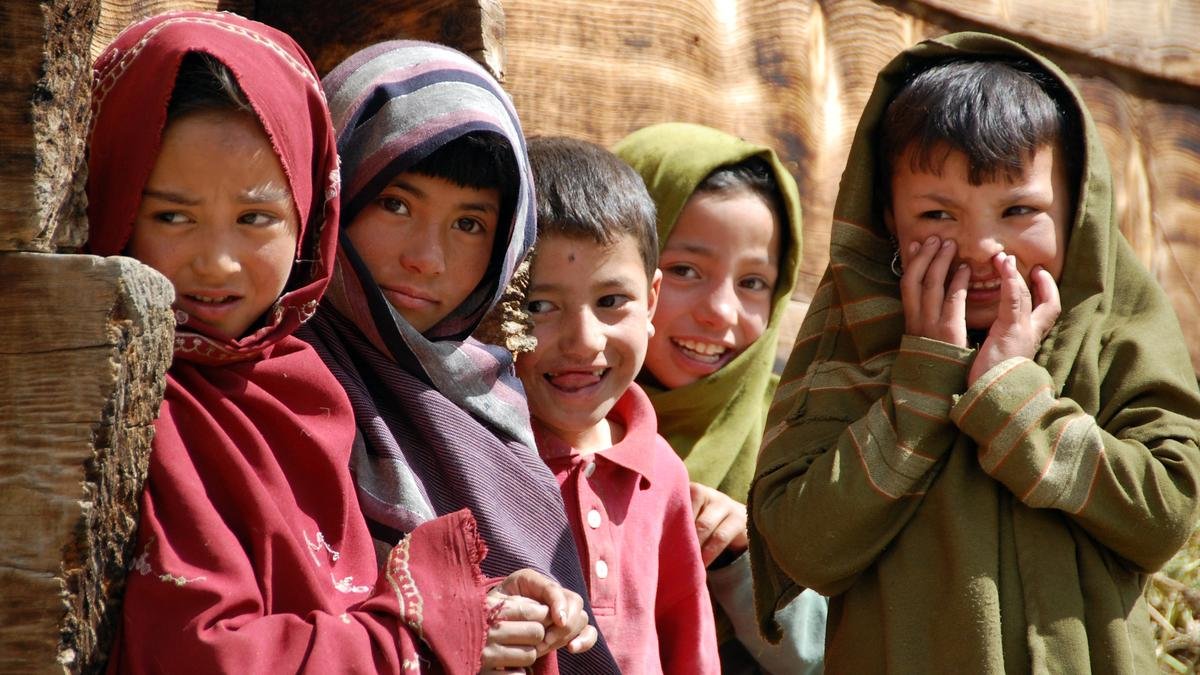
The gut microbiomes of eight tribal populations across India have a unique diversity shaped by their traditional diets, and are distinct from those observed in industrialised settings, researchers have reported in Gut Microbiomes.
The effects of probiotics depend on a population’s diet and gut composition, and the study offers a baseline for India’s tribal communities. It also points to the research still needed before such interventions can be tailored effectively.
The study’s authors have also stressed a need to preserve these microbiomes in biobanks before the diversity disappears.
India has a large indigenous population that follows diverse diets based on location and culture. However, they are also under-represented in global human microbiome studies, making up less than 1% of the human microbiome samples.
“The Indian microbiome is very different compared to the Western population, with an enormous diversity within India,” Dhiraj Dhotre, a scientist at the National Centre for Cell Science (NCCS), Pune, and the study’s co-corresponding author. “Secondly, the entire microbiome is shaped by our long-term dietary habits.”
The study was led by researchers from NCCS in collaboration with scientists from other institutions in India, Finland, and the U.S.
In the study, the team investigated the effects of dietary variation across eight tribal cultures on their gut microbiomes. These communities were from four regions: Warli from the western coast, Madia and Gond from the northeastern Deccan plateau, Kabuifrom northeast India, and Brokpa, Purigpa, Balti, and Boto from the trans-Himalayas. Of these, 76 healthy adults contributed dietary data and faecal samples for study.
The team’s analysis revealed that the diet of the trans-Himalayan communities mainly included a variety of grains and dairy while those of the other four tribes significantly differed, as they included home-brewed alcoholic beverages, fish, fruits, and/or greens and stems.
The gut microbiota of the trans-Himalayan population was also more diverse and included a distinct strain of the bacterium Bifidobacterium adolescentis. The researchers associated this pattern with high dairy consumption.
“The dairy component in the diet has [exerted] an evolutionary selection pressure, due to which specific microbes have been established,” Abhijit Kulkarni, lead co-author of the study and former PhD student at NCCS, said.
Bifidobacterium bacteria are known to improve gut health and are a major component of commercial probiotics. However, Dr. Dhotre cautioned against considering it to be a universal marker of a healthy microbiome.
“It is not that only healthy individuals have Bifidobacterium and others do not. Those consuming diets other than dairy and grains may harbour different organisms that can provide similar health benefits,” he said.
Among other species, Bifidobacterium bacteria convert dietary carbohydrates into short-chain fatty acids. In infants, the enzyme lactase converts lactose in milk to glucose and galactose. However, in adults, bacteria like Bifidobacterium take over and help ferment lactose. The trans-Himalayan population’s microbiome showed enriched pathways of lactose and galactose metabolism and plant-degrading carbohydrate-active enzymes.
The researchers also compared the microbial diversity from tribal communities with that from previously described samples from California, an industrialised setting, and found that the tribal gut microbiome was distinct.
“It becomes interesting to see how your human biological evolution, microbial presence, and cultural trait of having dairy or milk in your diet all go hand in hand to create not only human diversity but also affect the microbial diversity,” Dr. Shantanu Ozarkar, a co-author and a biological anthropologist from Savitribai Phule Pune University, said.
Researchers did note that the study’s sample size was small — yet they were able to identify 14 putatively novel bacterial taxa from 76 participants. In other words, it may be productive to further explore the microbial diversity of India’s indigenous populations. The work in this study led to the conceptualisation of the Indian Human Microbiome Initiative, which concluded recently with the goal of “sampling more than 3,400 individuals across [India] from 10 endogamous and 7 tribal communities.”
“The data is very robust because [the study] employs better and novel analytical, statistical, and bioinformatic tools,” Mojibur Khan, of the Institute of Advanced Studies in Science and Technology, Guwahati, and an independent expert, said. He also emphasised the need to study the core microbiomes of people from different geographical regions based on weather, agroclimatic zone, and diet.
Researchers also stressed the importance of preserving these microbial communities in biobanks. “This particular indigenous microbiome needs a high priority for preservation,” in Dr. Kulkarni’s words.
“After a few decades, when we need them for corrective measures or for clinical applications, we will not have any representations left of these ancient microbes. This microbial biodiversity must hence be preserved.”
Rohini Karandikar works with the TNQ Foundation, and is a science communicator and educator.
Published – August 07, 2026 09:15 am IST
