



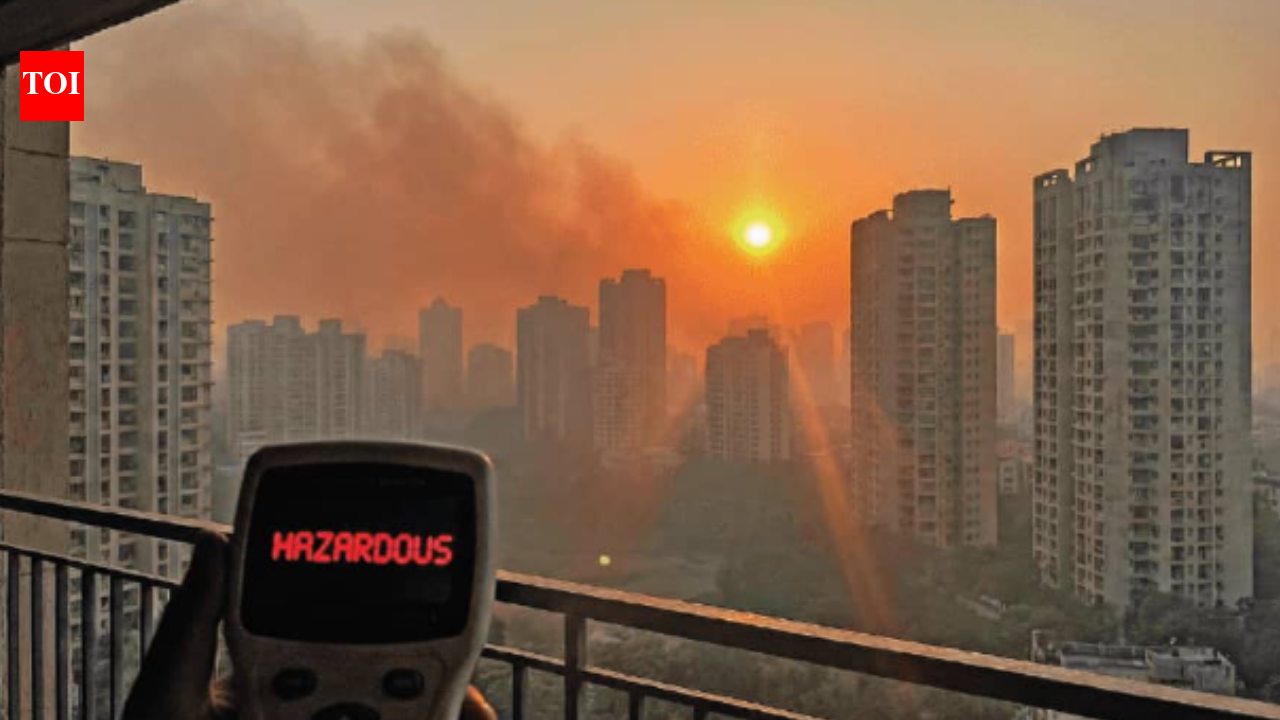
MUMBAI: Carbon monoxide levels touching 3 mg per cubic metre — 50% higher than the permissible limit — ammonia spikes reaching 700 micrograms per cubic metre against a standard of 400, and hydrogen sulphide concentrations climbing to nearly 2 ppm, nearly 15 times the allowed limit, were recorded at two residential high-rises in Wadala during a citizen-led air quality study that has raised fresh concerns over industrial gas exposure in residential neighbourhoods.The study was conducted by the Mumbai Ecological Research and Analysis Group (MERAG) and is among the first attempts to systematically monitor air quality at elevation inside residential towers rather than at ground level, where most government stations operate. Sensors were installed on the 26th floor of one residential tower and the 13th floor of another to examine what residents are breathing at height.Readings were collected over an eight-day monitoring period, with data logged every 15 minutes to capture fluctuations across the day. The sensors tracked fine particulate matter (PM2.5), coarse particles (PM10), carbon monoxide, ammonia, hydrogen sulphide, sulphur dioxide, along with temperature and humidity.
The data is being examined alongside wind speed and wind direction measurements to understand how emissions may be travelling into the residential complexes.Carbon monoxide is typically associated with combustion sources such as vehicular exhaust, diesel generators and fuel burning. “Most monitoring frameworks concentrate only on PM2.5 and PM10. Nobody has regularly examined industrial gases and emissions in residential areas,” a source involved in the study said, adding that identifying the precise causes will form the next phase of the research.Ammonia levels, while within limits on average, showed periodic spikes. Hydrogen sulphide, found to be consistently above the prescribed threshold, is often associated with sewage systems, decomposition and certain industrial emissions. Particulate pollution was also flagged. PM2.5 readings were consistently above the limit while PM10 levels were largely above the permissible threshold.


