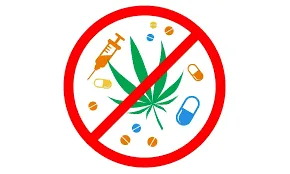
Tobacco consumption is the major cause of preventable death and illness. It kills half of its users prematurely, especially in their reproductive years. It is a major risk factor for many chronic diseases, including Cancer, Cardiovascular Disease (CVD), Diabetes, Lung Diseases, Stroke, Infertility, Blindness, Tuberculosis (TB), Oral Cavities, etc. The exposure to second-hand Smoke or passive smoking causes numerous health problems in infants, children and adults. Spitting of tobacco products leads to the spread of swine flu, pneumonia, gastrointestinal diseases, posing a potential risk of transmission of TB, as well as a nuisance to the public.
There are two forms of tobacco – “Smoking Tobacco”, such as cigarettes, bidi, Ganja, hooka, cigars, etc. and “Smokeless Tobacco”, such as Khaini, Jarda, Gutkha, etc. New and emerging electronic products (e-cigarettes and similar products) have created new challenges. Electronic nicotine delivery systems (ENDS) and electronic non-nicotine delivery systems (ENNDS), commonly known as e-Cigarettes, do not contain tobacco and may or may not contain nicotine, but are harmful to health. The combustion of tobacco releases carcinogens, like benzene and formaldehyde, which damage lung cells and DNA, leading to cancer.
According to the report of the Global Adult Tobacco Survey India (2016-17), about 33.2 crore population of adults (28 % of all adults) above 15 years of age group use tobacco in Bharat, out of which 10 crore are smokers, 20 crore are smokeless tobacco users, and 3.2 crore are both users. As per the Global Youth Tobacco Survey (2009), 14.6 % of students aged 13 to 15 use tobacco. In Bharat, more than 13 lakh people lose their lives every year due to tobacco consumption. It leads to social and economic costs, too.
Globally, 62 countries have adopted comprehensive smoke-free policies. Bharat Sarkar has enacted the Cigarettes and Other Tobacco Products (Prohibition of Advertisement and Regulation of Trade and Commerce, Production, Supply & Distribution) Act 2003 (or COTPA 2003) in 2004 for effective reduction of tobacco consumption.
Various Rules and Guidelines have been issued from time to time to restrict tobacco use. Smoking in public places, Sale of tobacco products to and by minors, Sale of tobacco products within 100 yards of educational institutions, Advertising and promotion of such products, etc., are prohibited. Statutory warnings have been placed on tobacco packets. It has been made mandatory to display such warnings in Films and TV.
Smokeless Tobacco products are banned through the Food Safety and Standards (Prohibition and Restriction on Sales) Regulations 2011 under the Food Safety and Standards Act 2006. In 2007-08, the National Tobacco Control Programme (NTCP) was launched, which focuses on community mobilisation, School programmes, IEC and advocacy, besides implementation of control laws. People’s Representatives Institutions (PRI) have a pivotal role and responsibilities in implementing the laws, rules and regulations to control the tobacco consumption.
Children and adolescents are the future of any nation. Hence, it must be mandatory to make our educational institutions tobacco-free. As per the reports of GYTS and GATS, there is significant tobacco use among adolescents and youngsters. Hence, a guideline was released in 2008 for “Tobacco-free Educational Institutions”, with the objectives of (a) Awareness about the harmful impacts on health due to tobacco use among students, teachers and other institutional functionaries, (b) a healthy and tobacco-free environment in the institution, and (c ) better implementation of legal provisions regarding tobacco use.
The institutions should display “Tobacco Free Educational Institution” signage in the form of signboards or wall writings at prominent places inside and outside the premises. The institution should designate one or more Tobacco Monitors from among teachers, staff, and/or students from class IX onwards. The monitor must not be a tobacco user. The institution should ensure that no Tobacco product is sold inside the premises and within a radius of 100 yards. A fine should be imposed on a tobacco user if found. The institutional authority should help tobacco users to quit tobacco by encouraging them to avail themselves of Quitline services and mCessation.
Tobacco monitors should remain vigilant about the tobacco substitutes such as e-Cigarettes and similar devices such as Heat-Not-Burn Devices, Vapes, e-Sheesha, and e-Nicotine Flavoured Hookah.
The institution should organise various tobacco control activities, such as an assembly for taking a pledge against tobacco, organising co-curricular activities such as Poster, Slogan, Essay, Quiz, Debate competitions and street plays, etc. Certificate of appreciation or awards should be provided to those students/teachers/staff who perform well in this field. The local law enforcement authorities/health authorities should be invited from time to time to deliver lectures on tobacco control in the school assembly.
Although several laws, rules and other prohibitory measures are prevalent in the country to save the lives of people from Tobacco consumption, these acts and rules are just lip service. If the government is really sensitive towards a healthy and Nasha-Mukt Bharat, then the production of all intoxicating products, including tobacco, should be completely banned and its factories should be sealed; otherwise, the numerous fashionable control programmes and initiatives will be a misuse of public money and human resources.
(The Author is a technocrat & academician)