



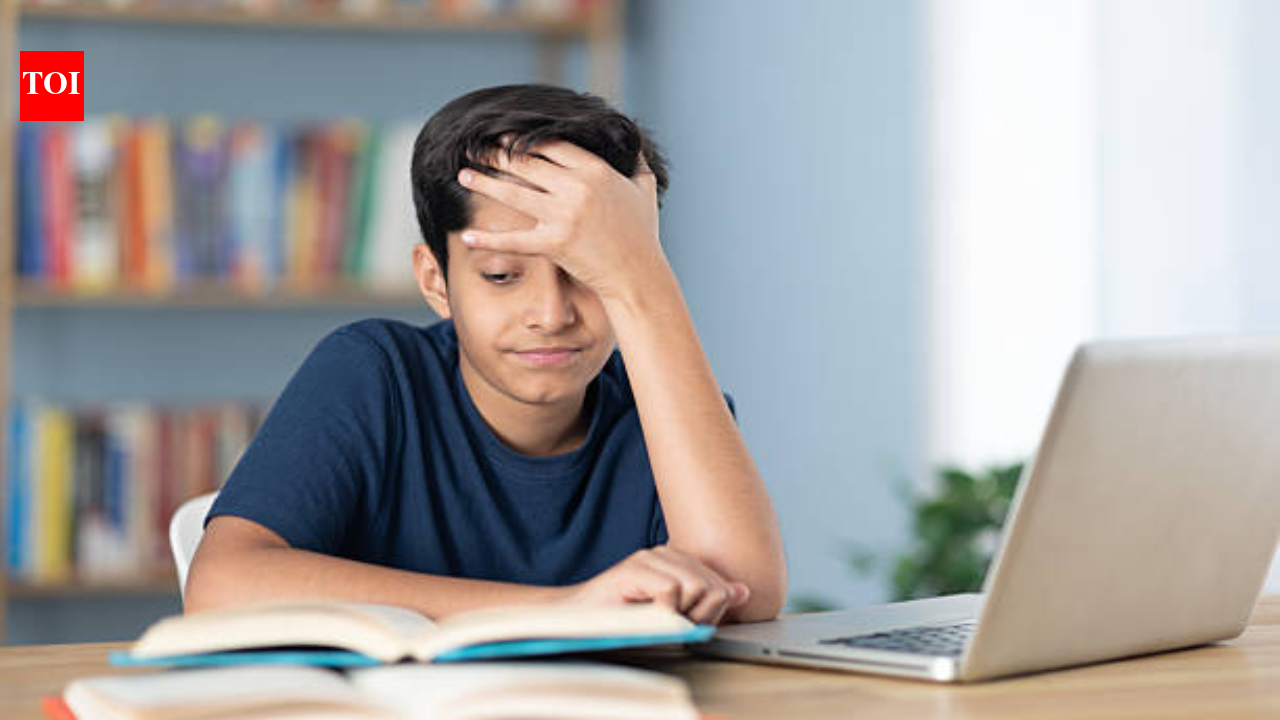
Summer holidays used to mean scraped knees, cricket in the park, and coming home only when it got dark. Now, for many children in cities like Delhi, vacations look very different, it includes long hours on tablets, phones, and gaming consoles.And every year around this time, one pattern becomes very clear in clinic, a spike in children coming in with eye strain, headaches, and complaints of blurred vision.
India is already in the middle of a myopia surge. Some urban studies suggest that nearly 1 in 3 school-going children in cities may now be myopic, and lifestyle changes especially increased screen time and reduced outdoor activity are a big part of the problem.What’s really happening to their eyes is that screens demand constant near focus. Unlike reading a book, digital devices also reduce how often we blink. In children, this often translates into dry, tired eyes by the end of the day. Instead, parents notice signs such as frequent eye rubbing, sitting too close to screens, or complaints of headache after screen use.During school days, fixed routines offer some structure. Holidays take that away and children tend to spend hours binge watching or gaming without breaks, use devices in poor lighting or awkward positions, replace outdoor play with indoor screen time and sleep later, often with screens right before bedtime All of this adds up to eye strain. Less time outdoors is also particularly important as natural daylight is known to slow down the progression of myopia in children.It’s not practical to cut off screens completely, especially when they are a part of studies, curriculum, entertainment and even social interaction. But small changes go a long way and parents are suggested the following measures to help the children:Build breaks into screen timeThe 20-20-20 rule is simple and effective—every 20 minutes, look 20 feet away for 20 seconds.Prioritise outdoor timeEven in Delhi’s summer, early mornings or post-sunset hours can ensure at least 1.5–2 hours outside increasing exposure to sunlight.Create screen boundariesAvoid unlimited access. Fixed timings help prevent overuse.Make the setup eye-friendlyGood lighting, proper posture, and keeping screens at a comfortable distance can reduce strain significantly. Parents are suggested to allow children to use bigger screens such as television as compared to mobile phones and tablets.Pay attention to subtle signsIf a child is squinting, rubbing eyes often, or avoiding visual tasks, it is important getting their eyes checked as the children might have refractive errors etc.What we’re seeing today isn’t just temporary strain, it’s a shift in how children are using their eyes every day. And the effects are beginning to show earlier than ever. Summer holidays should ideally give children a break from routine pressures. But increasingly, their eyes are working harder than ever. While screens may keep children occupied, it’s time spent away from them that truly protects their vision in the long run.Dr Rajat Kapoor, Pediatric and Neuro-Ophthalmologist, Dr Agarwals Eye Hospital, Rajouri Garden


