



Your home’s decor refreshes every once in a while, whether it is changing curtains, rugs, a fresh coat of paint, or making small updates inspired by the colour of the year, or something that caught your eye on Pinterest. But what about kitchen crockery?
ALSO READ: Want a livelier kitchen? 4 design tips to add pastel-themed colour and charm to your cooking zone
Often, cookware is treated with leniency, a quiet complacency, since food is anyway getting cooked and there seems to be no immediate need to change it.
But this is a flawed way of thinking, as damaged or worn-out cookware can silently exist and pose major risks, from uneven heating to leaching substances into food. It is high time your kitchen gets the same attention as the rest of your home. So how can you tell when your cookware has reached its expiry date?
We asked cookware expert, Umesh Guptaa, MD and CEO, BERGNER India, who helped highlight which kitchen items may need a change. “You don’t need to replace everything,” he reminded. “Rather than drastic overhauls, practical swaps in materials and methods can create a safer and more health-supportive cooking environment.” It all begins one step at a time. “Small upgrades in cookware and cooking practices can significantly influence everyday well-being,” he added, emphasising the importance of gradual, step-by-step changes.
A complete transformation and throwing everything out may seem a bit impractical, after all, you still have to cook. Instead, you can make changes bit by bit, swapping items one at a time, replacing them as needed, and checking which ones you should prioritise first.
Umesh listed the utensils and containers you should take a second look at and consider discarding due to wear and tear, safety reasons or low performance that could seriously affect your cooking and food’s quality:
Here are the things you need to remove from the kitchen:
1. Uncoated aluminium cookware
- Why: Uncoated aluminium can react with certain foods
- Replace with: Triply stainless steel cookware, which offers durability, even heat distribution, and a more stable cooking surface.
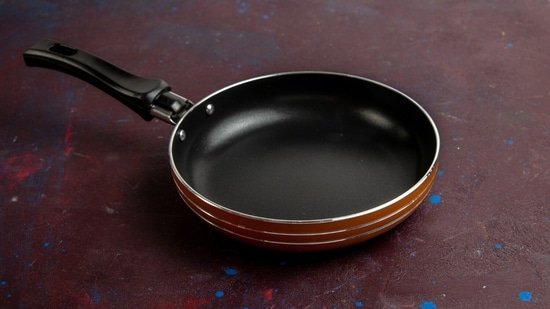
2. Old, scratched non-stick pans
- Why: Damaged surfaces may compromise safety and performance.
- Replace with: Well-maintained, high-quality non-stick cookware.
3. Riveted cookware
- Why: Interior rivets can trap food particles, grease, and carbon deposits, making them harder to clean.
- Replace with: Rivetless cookware designs, which offer a smooth interior surface for better hygiene.
4. Thin lightweight cookware
- Why: Uneven heat distribution can lead to hotspots and burning.
- Replace with: Thicker, well-constructed bases or tri-ply cookware for more consistent cooking.
5. Conventional cookware (for certain recipes)
- Why: May not retain heat as well or support slow, even cooking.
- Replace with: Cast-iron cookware, which provides excellent heat retention and durability; enamel-coated versions offer a non-reactive, toxin-free surface.
6. Plastic storage containers
- Why: May release chemicals when storing hot food.
- Replace with: Glass or stainless steel containers for safer, more stable storage.
Other than cookware choice, Umesh also cautioned against a certain form of cooking, suggesting the safest approach for cookware longevity. “Constant high-flame cooking can be swapped for controlled, medium-heat cooking practices. Mindful temperature regulation helps preserve nutrients and prevents unnecessary charring,” he remarked.
Healthy cooking is not just about ingredients but also about choosing the right cookware to ensure safety, taste and the nutritional value of your meals.


