









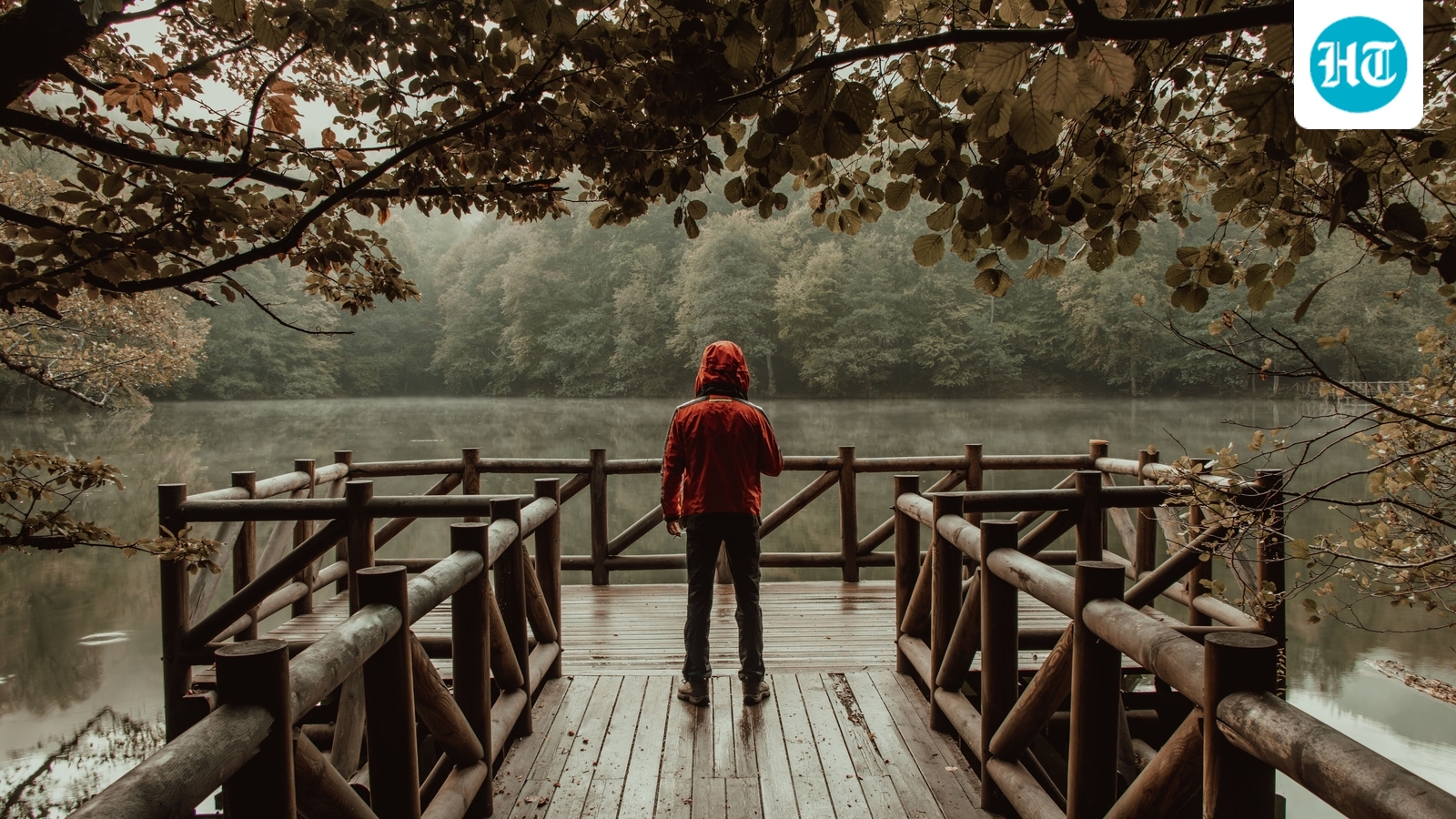
There is something liberating about living alone. You can eat what you want, decorate your home your way, and enjoy the luxury of doing absolutely nothing without answering to anyone. Yet, the same freedom can sometimes feel overwhelming when you are dealing with a difficult day, falling sick, or coming home to an empty house. Living alone is as much about discovering independence as it is about learning to deal with solitude.
In this edition of HT Lifestyle’s series, ‘Things Nobody Tells You About’, counselling psychologist, author and life coach Damini Grover decodes what life looks like when living alone.
Also read | Things nobody tells you about marriage: How emotional labour, boundaries and shared responsibilities affect couples
Responsibility can turn exhausting
One is the invisible responsibility of doing it all on your own. No one else is automatically sharing the mental load of even the small things like deciding what to eat, paying bills, dealing with a leaking tap, or falling sick. “When everything falls on your shoulders, every single decision, even the smallest ones, can be exhausting,” said Damini.
Dealing with silence
There is the relationship you make with silence. According to Damini, it feels so good at first to have a whole space all to yourself. But there are also evenings when you come home from a hard day and realize there is nobody to share it with casually. Sometimes it is not even a deep conversation that we crave. It’s the same old comfort of having someone else around.
Self-awareness
Strangely enough, living alone can also provide us with the opportunity to meet ourselves in unexpected ways. When we are not constantly around other people, we become more aware of our thoughts, emotions, habits, and patterns. “For some, this becomes an opportunity for self-awareness. It can feel strange at first for some, especially those who have lived in busy households forever,” said Damini.
We also very rarely talk about how independence and the desire for support can go hand in hand. Enjoyment of living alone does not mean you are never lonely, need help, or wish someone would take care of you now and then. But self-sufficiency doesn’t mean emotional self-sufficiency – all the time. And yet, there is something profoundly empowering about creating a life that feels like your own.
“You start to find out what you really like, what your natural rhythms are, how you want your home and your life to feel, without having to trade those choices with everyone around you every step of the way,” highlighted Damini.
The most important thing to understand is that living alone is not the same as being lonely. You can live alone and be intimately connected to people or live with people and be terribly isolated.
Note for the readers: This article is for informational purposes only and should not be considered a substitute for professional advice. Please consult a qualified expert for personalised guidance.


