






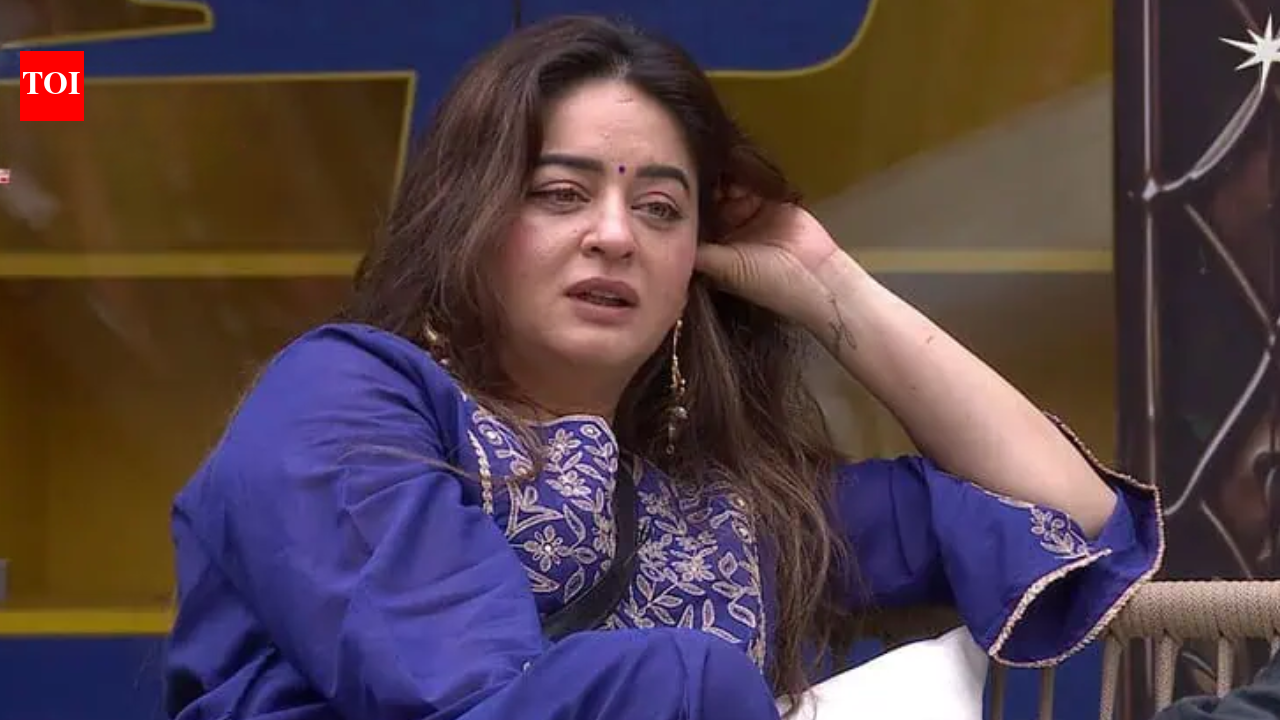
TV Actor and Bigg Boss 20 contestant Mahhi Vij has spoken about how the way parents respond to everyday childhood experiences can influence a child’s ability to handle situations independently. In a conversation with Hauterrfly, Mahhi recalled how her own parents encouraged her to get back up after a fall rather than rushing to protect her from every minor injury. She contrasted that experience with what she sees as a tendency among parents today to react immediately when a child gets hurt. “My parents were very carefree. If we fell down, they would tell us to get up on our own,” Mahhi said. “These days, parents often react immediately when a child falls. They rush to put a bandage on the injury and keep worrying about it. When children are overprotected, they may find it difficult to handle things on their own when they grow up and their parents are not around,” she added.Her comments came during a discussion about childhood confidence and the ways parents can help build it. The interviewer asked whether Mahhi’s mother had done anything that helped her develop confidence, and whether, as a mother herself, she sometimes found herself repeating the parenting patterns she had grown up with. In her view, children also need opportunities to learn how to manage small difficulties themselves.
5 Oct 2026 | 12:06
Parents, when your child refuses to greet relatives, do you make them say hello or respect their choice?
Mahhi Vij recalls strict punishments from her childhood
Photo credit: Mid-day
Mahhi’s account of her childhood also included experiences that were far from carefree. She recalled being physically punished when she failed in mathematics and getting into trouble after her first school romance came to her parents’ attention. “I still remember being beaten badly as a child. If I failed in maths, I would get beaten. I was also punished when my first school romance was discovered because the school called my parents,” she said. When asked why she had been punished over the relationship, Mahhi shared an incident from her school days. She said she was popular among boys in her school and neighbourhood, and that some boys would even break through the school fence to enter the canteen.“My boyfriend and some other boys got into a fight over me. Meanwhile, I would just be sitting in the canteen eating samosas. I didn’t even make eye contact with the boys,” she recalled. Mahhi also remembered Valentine’s Day from that period, adding a humorous note to the story by imagining how her daughter might react if she watched the interview in the future. “If my daughter watches this interview one day, she will tell me, ‘Mumma, if I get that kind of attention, you must not say anything!’” she said.
What parents can do to build independence without ignoring a child’s needs
Mahhi’s comments raise a practical question for parents: when should they step in, and when should they allow a child to try handling a situation independently? The answer depends on the situation. A child who trips on a flat surface but is not seriously hurt may benefit from being given a moment to get up, check how they feel and decide what they need. A child who is injured, frightened or in danger, however, needs an adult’s attention and help. Encouraging independence does not mean ignoring pain or refusing comfort.Here are three ways parents can help children practise handling everyday setbacks:Pause before rushing in: If a child has a minor fall or makes a small mistake, first check whether they are safe. Instead of immediately doing everything for them, ask, “Are you hurt? What do you think you should do?” This gives them a chance to assess the situation while knowing an adult is nearby.Let children take the first step towards solving a problem: If a child forgets a school item, struggles with a simple task or has a disagreement with a friend, resist the urge to fix everything immediately. Ask what they have tried and what they could do next. Step in when the problem is beyond their ability or when they need protection.Separate mistakes from a child’s worth: Mahhi recalled being beaten when she failed in mathematics. Parents can respond differently by focusing on what went wrong and what could help next time. For example, instead of reacting angrily to a poor test score, they can ask which topics the child found difficult and help make a plan to practise them.Children do not become independent simply because adults leave them to manage everything alone. They need a balance: room to try, permission to make age-appropriate mistakes and reassurance that help is available when they need it.


