


The Science Quiz: The science hidden in proverbs and idioms
1 / 6 |
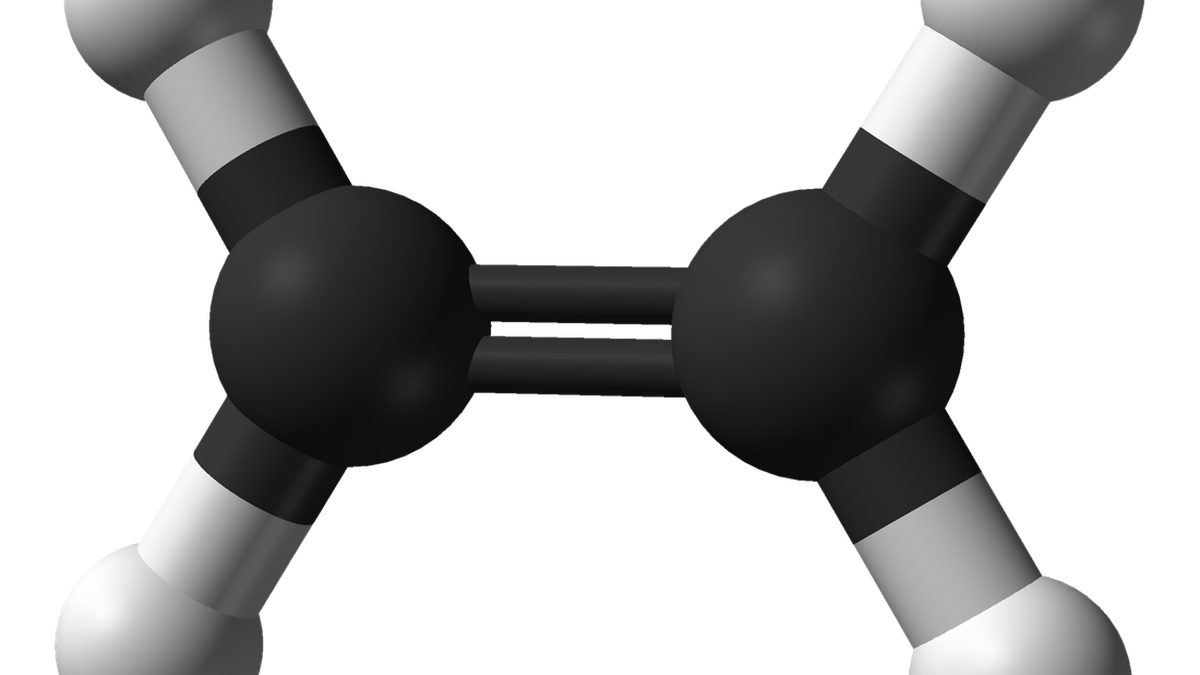
Name this hydrocarbon. It’s the reason “one bad apple spoils the bunch”: as an apple ripens, it releases more of this compound, which causes nearby fruit to ripen faster.
2 / 6 |
What’s the proverb based on the following fact? Fresh-cut grass is mostly water, and if you bale it while it’s still too wet, the bale can grow mould, lose nutrients, and sometimes become warm enough to catch on fire. So before it is baled, it’s typically dried under sun and dry air.
3 / 6 |
When you constantly monitor the passage of time, it can seem to pass more slowly. Psychologists call this ___________ time perception. Its ‘opposite’ is retrospective time perception, and it’s the basis for the saying “a watched pot never boils”. Fill in the blank.
4 / 6 |
The saying “cold hands, warm heart” refers to the fact that when you’re cold, the X nervous system narrows small blood vessels in the fingers, reducing warm blood flow to the extremities and keeping hands from losing heat to the environment. As a result, your hands cool down but your body maintains the temperature of vital organs. Name X.
5 / 6 |
“Bad money drives out good” because when two forms of money have the same face value but one has higher real value, e.g. a note that people trust more, people tend to spend the worse one. Over time, the better money disappears from everyday transactions because it’s hoarded. What is this economic principle called?
6 / 6 |
“The straw that broke the camel’s back” is akin to _______ ______ in climate systems: when they’re crossed, the system starts to accumulate changes faster and in irreversible ways. Fill in the blanks.
Published – February 18, 2026 11:29 am IST


