



The most recent data from the Higher Education Statistics Agency, external shows out of about 245,000 academic staff working in the UK’s institutions, just 70 – or 0.03% – have disclosed a developmental condition that affects motor or cognitive skills.
Experts believe the true number may be far highe, externalr and that many academics with conditions such as Tourette’s hide their neurodiversity for fear of repercussions.
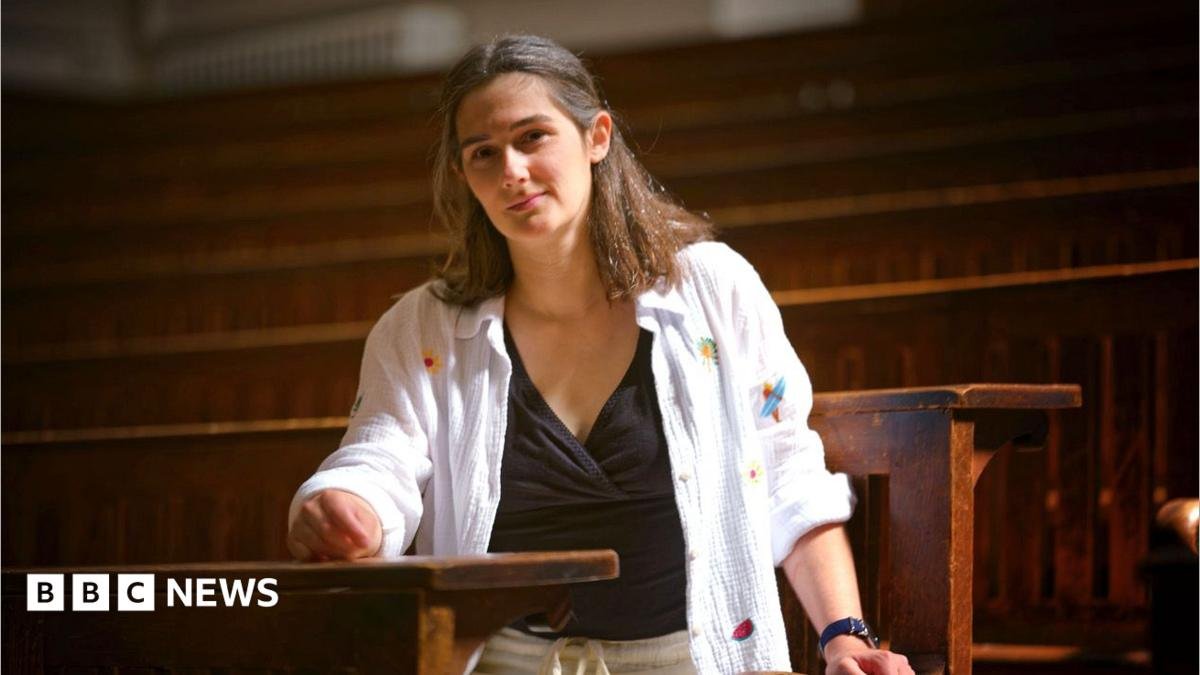
Cole’s vocal tics tend to include the names of her husband, her son or the family cat or random phrases such as “good night” during the day time.
“I worry a little bit [that] I’m like the palatable face of Tourette’s – I don’t swear, I don’t say anything that is going to be too challenging.
“I think what we just really need as society is an understanding of Tourette’s, an understanding of tics and to know that tics aren’t what we really think,” she says.
The words are merely “a neurological event that we have no control over”, she adds.
Emma McNally, the chief executive at Tourette’s Action, says many of those with coprolalia end up self-isolating from society.
She adds that many people with Tourette’s find people accepting of their condition until they say something that feels as though “it’s about them”.
“People then take offence even though there’s no malice behind it,” says McNally.


