



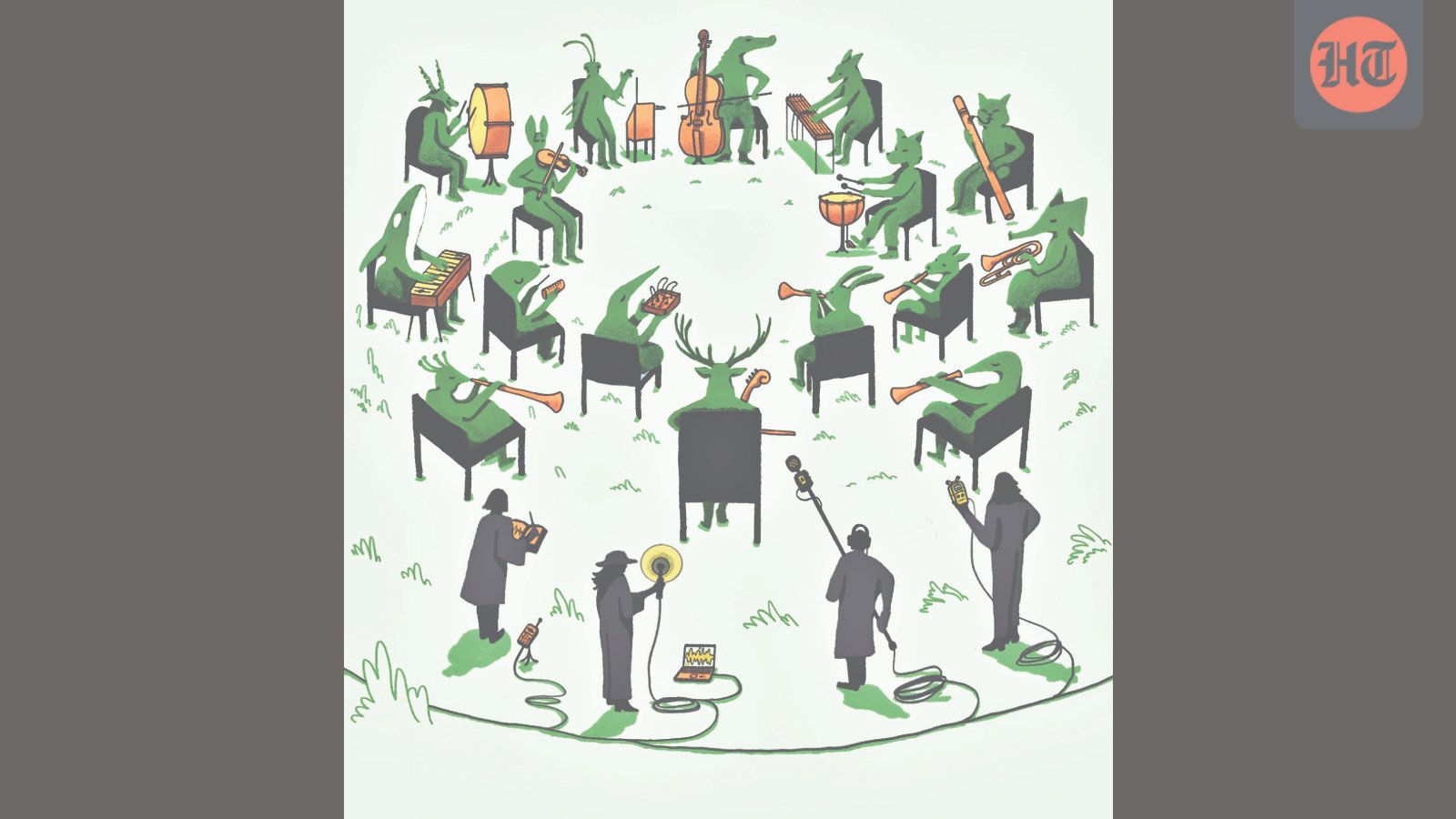
Have you heard recordings of the curious, otherworldly sounds of whales?
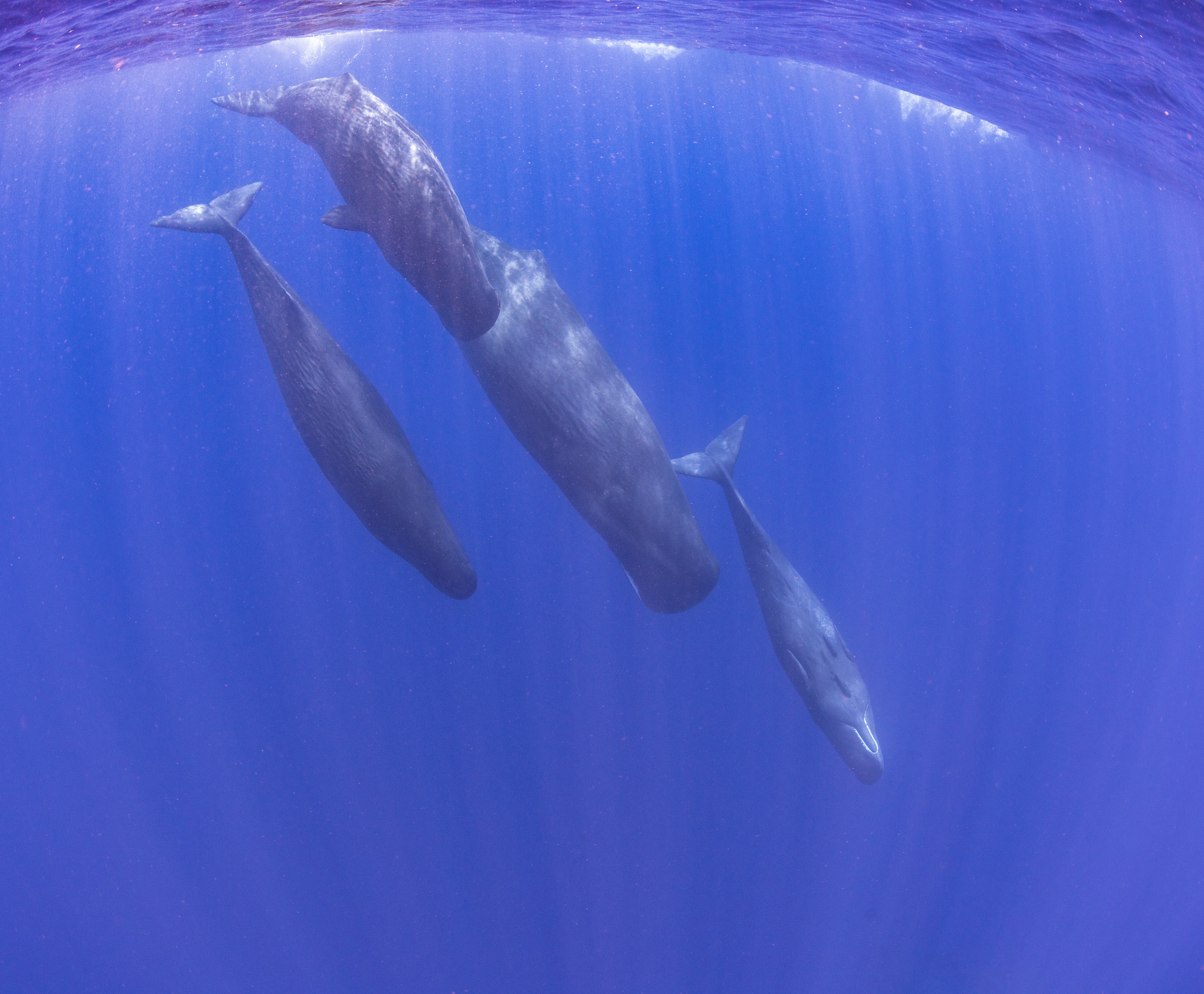
I was fortunate to hear for myself the click-clicking of sperm whales, as a pod with two youngsters swam alongside us in the open Caribbean Sea. Tears overwhelmed my snorkel mask. I felt humbled and grateful for these gentle giants of the ocean, gliding peacefully beside us humans, despite so many threats from our species.
As the world wakes to the urgency of saving the 90-plus cetacean species roaming global waters, understanding how they communicate becomes critical to preventing harm, especially from marine vessels. This is where the emerging field of bioacoustics comes in.
The K Lisa Yang Center for Conservation Bioacoustics at Cornell University’s Cornell Lab of Ornithology is the only one of its kind in the world. Recently, Lea Bouffaut, a researcher there, co-authored a study showing that undersea fibreoptic cables can be repurposed as never before, to listen in to marine life using distributed acoustic sensing (DAS).
The shipping industry must listen in too.
More than 20,000 whales are killed each year by ship collision alone. If crew were alerted on time, they could simply slow down enough to avoid a fatal accident.
Many such examples were cited when Lea and Yang Center director Holger Klinck visited Delhi for a meet on the need for a bioacoustics centre in India.
At the meet, spearheaded by Robin Vijayan and his team at the Indian Institute of Science Education and Research (IISER), Tirupati, the room held representatives from academia, government, industry and philanthropy. A day-long discussion highlighted ways in which this field could aid wildlife conservation in India.
CALL AND EFFECT

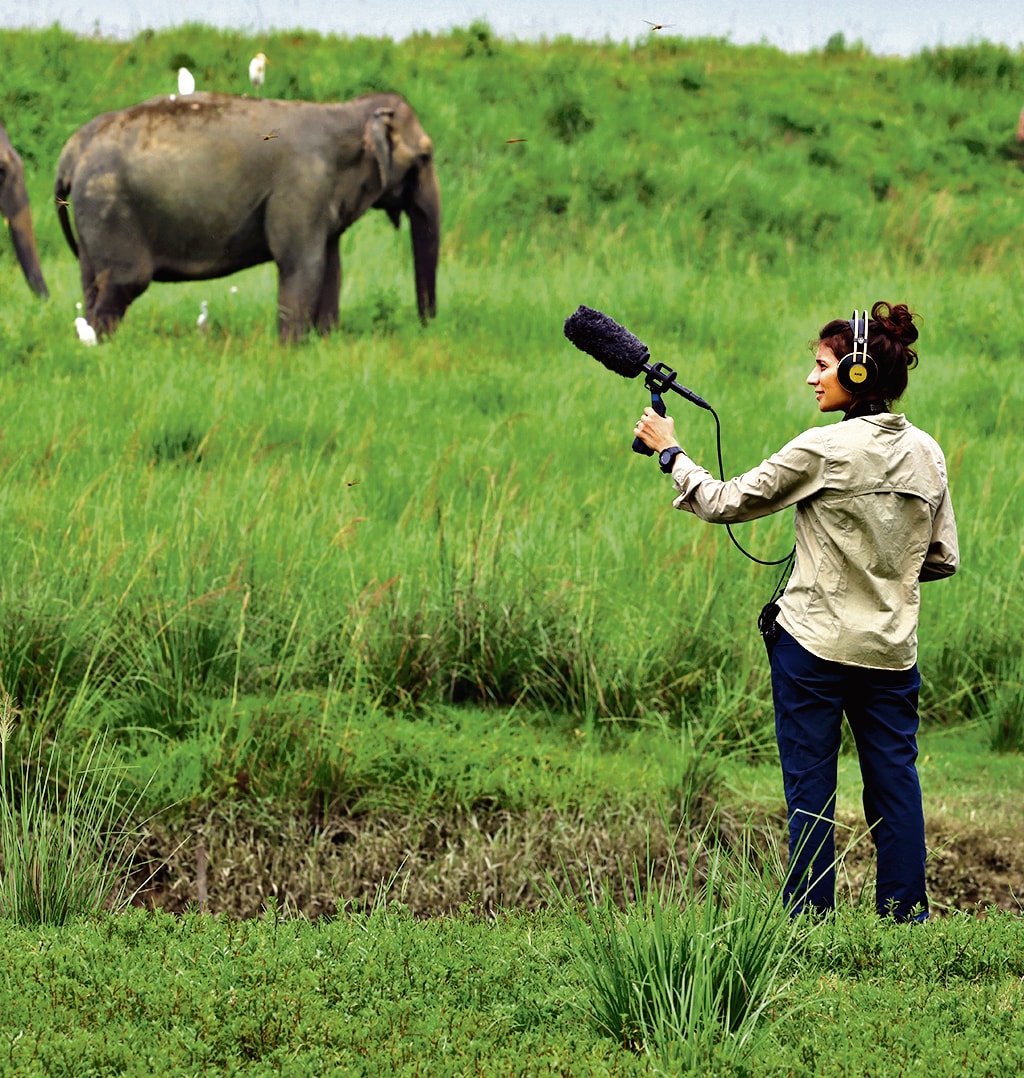
Though it originated a century ago, not too much is known about conservation bioacoustics.
It is the interdisciplinary study of sounds in nature, to understand and eventually protect species and ecosystems. Since the 1920s, when simple recorders were used to collect and analyse insect and bird calls, improvements in sensors and now AI have given the sector a boost. Today, it finds widening application in environmental sciences and in medicine.
Bioacoustics is used in cardiac surgery, targeted drug delivery and tissue engineering. In the environmental sciences, it is helping researchers “listen” to plants. Among their findings: stressed root systems may emit detectable ultrasonic clicks.
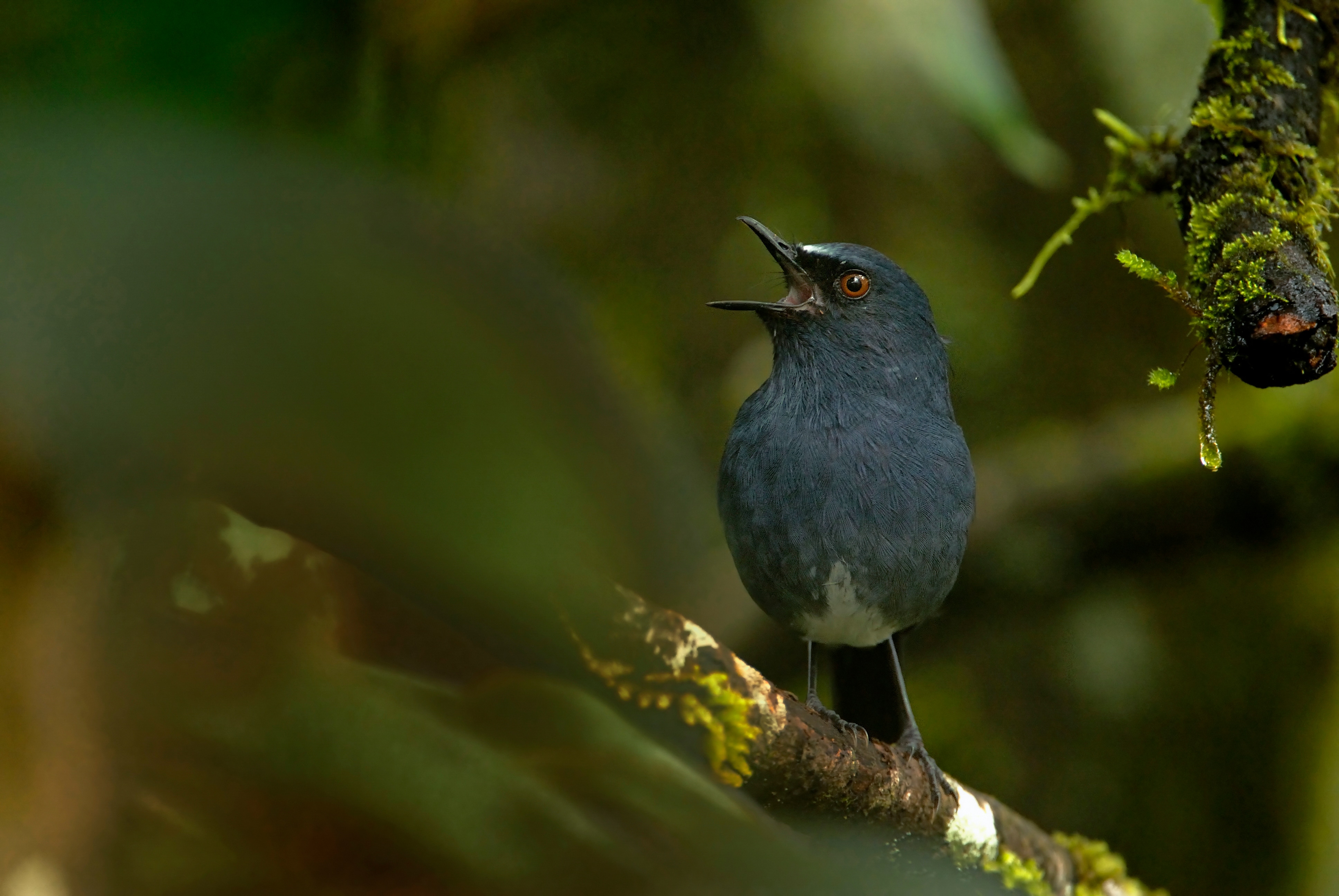
The science has for a while now been used to eavesdrop on birds. The Merlin and eBird apps developed at Cornell are used globally as field guides. Real-time sound identification, introduced in 2021, allows users to turn to these platforms to identify birds in real time, based on their call or song. eBird has famously become the world’s largest citizen-science data project. Anybody with a smartphone can use these apps to discover the joys of birdwatching, while feeding into a diverse people’s conservation movement.
In just one year, 2025, Merlin users recorded 1.36 billion bird sounds. These will feed into the third State of India’s Birds report, due out next year, which will again inform the country of the plight of its 1,350 species (and counting). Recently, a sound recording of the critically endangered Jerdon’s courser, last seen in India in 2008 and feared extinct, created a massive buzz in the birder community.
SOUND INVESTMENT
There is much more that bioacoustics can be used for in India. It could help us understand animal behaviour, prevent human-animal conflict and enhance our biodiversity.
The government of India has internationally acknowledged commitments on the protection of the environment, including the adoption of the Kunming-Montreal Global Biodiversity Framework, which calls for halting and reversing biodiversity loss by 2030.
To conserve, we must monitor. So far, we are heavily dependent on imaging. If we added bioacoustics, we would gain new levels of data and precision, and find a cost-effective complement to the camera traps set up across forests and protected areas.
Newly developed Autonomous Recording Units (ARUs) could map coral reefs and dense forests where humans cannot go. The technology is moving so fast, we could realistically map soundscapes across ecospheres.
CAMPA (the national Compensatory Afforestation Fund Management and Planning Authority) has unused funds that could be used to create new protocols for bioacoustics deployment in India. Sophisticated sensors could help track how wildlife returns, for instance, to areas where invasive species are being removed at scale. Environmental impact assessments could factor in acoustic data too.
Biodiversity is India’s strategic advantage and we should do all we can to push it.
Most importantly, bioacoustics is a key component of early warning systems to prevent human-wildlife conflict, which is rising across India. Understanding where elephants are trumpeting, tigers roaring and wild pigs snorting could enable early action to prevent human injury and death, and prevent crop loss, which is estimated at more than ₹10,000 crore annually just in Maharashtra. Indian airports, meanwhile, recorded 6,337 bird-hit incidents over the past five years. Bioacoustics could help analyse and broadcast natural communication signals to keep birds from an aircraft’s path.
India could make the journey more affordable by building its own manufacturing capacity, perhaps with help from the government’s Anusandhan National Research Foundation (ANRF). We have the technical capability to harvest and analyse the data that would emerge, using the latest AI tools. We have the academic backbone in the environmental sciences and the societal muscle to support the deployment of bioacoustics across critical use cases.
The time is right to listen anew to the heartbeat of our country’s flora and fauna. If we succeed, we can marvel not just at the music of songbirds and whales, but the crosstalk of trees and plants. As our ancestors put it: Vriksho rakshati rakshitah. Nature protects those who protect it.
(Rohini Nilekani is chairperson of Rohini Nilekani Philanthropies and author of Samaaj, Sarkaar, Bazaar: A Citizen-First Approach)


