


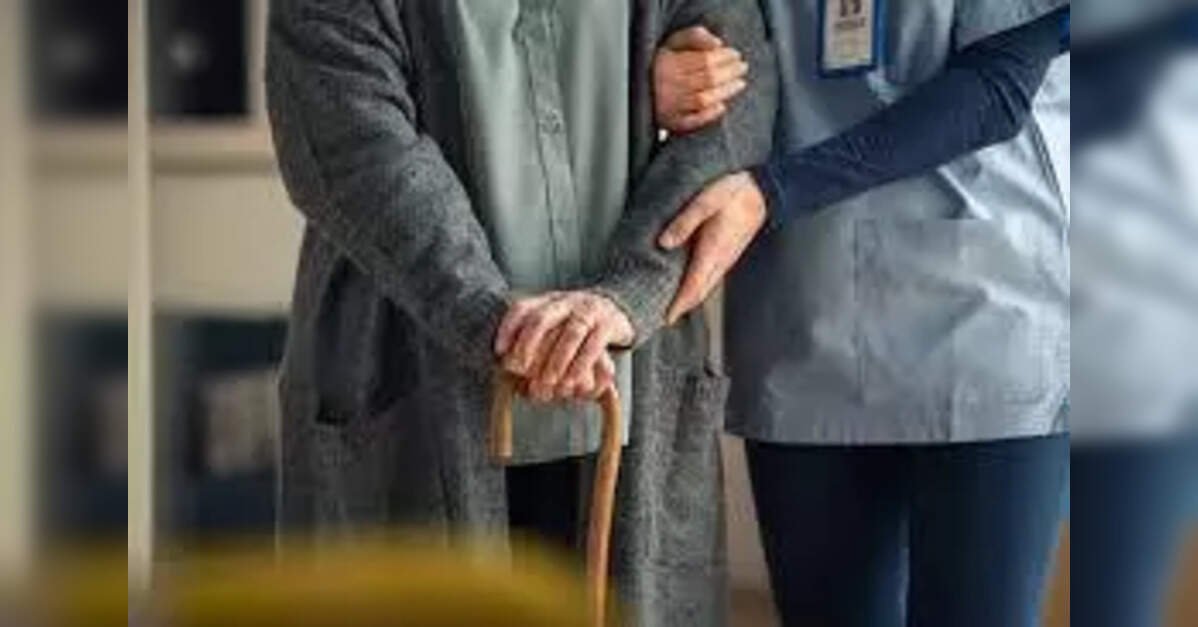
Hyderabad: As Telangana braces for a sharp rise in its elderly population, the state is beginning to rework its healthcare priorities to meet the demands of an ageing society. Senior citizens aged above 60 years are projected to form 17% of the state’s nearly four crore population—around 68 lakh people—by 2036, according to the Reserve Bank of India’s (RBI) report, ‘State Finances: A Study of Budgets 2025-26′.
This represents an increase of nearly 20 lakh elderly persons over the next decade. Currently, senior citizens account for about 12% of Telangana’s population, or roughly 48 lakh people. This share is expected to rise to 14.5% by 2031, up from the present 12.5%, underscoring the growing urgency for expanded and specialised healthcare services for the elderly.
State ranks 7th among the 12 major states identified in the RBI report as having ageing populations, Telangana jointly ranks seventh with Maharashtra, with 17.1% of its population expected to be above 60 years by 2036.
Kerala tops the list at 22.8%, followed by Tamil Nadu (20.8%), Himachal Pradesh (19.6%), Andhra Pradesh (18.9%), and Punjab (18.3%). At the national level, India’s elderly population is projected to reach 14.9% by 2036.
Despite the steady rise in numbers, geriatric healthcare infrastructure in the state remains limited, with only one dedicated centre operating at Nizam’s Institute of Medical Sciences in Hyderabad. To bridge this gap, the state govt is planning to establish geriatric care centres in all 33 districts, attached to govt medical colleges.
NIMS as key centre
A Narendra Kumar, director of medical education, said the proposed centres will be coordinated by NIMS, which will serve as the centre of excellence. “These centres will function under general medicine departments and offer integrated services, including physiotherapy, nutrition, mental health counselling, and specialty referrals. Nodal officers have begun groundwork, and the initiative is expected to be operational by the end of the year,” he told TOI.
In parallel, district medical and health officers have been tasked with preparing lists of elderly persons suffering from various health conditions. The initiative aims to address the rising burden of non-communicable diseases among senior citizens, including hypertension, diabetes, cancer, cardiac ailments, and kidney diseases.
To strengthen manpower for elderly care, the state also plans to introduce geriatric medicine as a specialty course in all 35 medical colleges across Telangana. At present, specialised geriatric training is offered only at Gandhi Medical College, highlighting a significant shortage of trained geriatricians. The state govt has also partnered with Tata Trusts to implement the ‘elder spring response’ system, aimed at creating a holistic support network for senior citizens.
Mental health concerns
Dr K Sunil Kumar, head of the general medicine department at Gandhi Hospital, pointed to a marked shift in the health profile of the elderly. “While earlier, communicable diseases were more common, now non-communicable and lifestyle diseases are increasing. Mental health concerns among the elderly have emerged as a growing need, prompting the govt to include psychosocial support in its geriatric framework,” he said.>


